Class 7 . English . Poorvi . Say the Right Thing
Chapter 6: Say the Right Thing
Ch 6
English
Class 7
Mary’s Blunders
Writer
- G.C. Thornley is the writer of the play.
Play overview
- This humorous play follows Mary, who is told how to speak politely to visitors but forgets her mother’s advice when they arrive.
- Her mistakes embarrass both the guests and her mother.
Scene I: Before the Guests Arrive
Scene I
- Mrs. Shaw prepares the room for Mrs. Harding and Mrs. Lee, asking Mary to tidy her coat and change into a clean dress.
- Mary insists she can talk well, but her mother worries that she talks too much and may say the wrong thing.
- Mrs. Shaw hopes to become friends with the visitors and wants them to invite her to their home.
- She advises Mary to be kind, say pleasing things, laugh often, try to make the visitors laugh, restart conversation if it stops, and avoid offending anyone.
- When the guests are ready to leave, Mary should look sorry and invite them to stay longer.
- Mary confidently repeats the suggested words, promising to remember the advice.
Mary Shaw
- A young girl who is talkative and confident about her conversation skills.
- She says she will follow her mother’s instructions, setting up the humour of her later blunders.
Mrs. Shaw
- Mary’s mother, who wants her to behave politely and speak thoughtfully.
- She hopes to know the visitors better and make friends in Lanfield.
Mrs. Harding and Mrs. Lee
- Mrs. Harding is the wife of wealthy Mr. Harding, who has bought a large house in Lanfield.
- Mrs. Lee is Mr. Harding’s sister and has been staying with the Hardings.
Politeness and thoughtful speech
The play shows the importance of kindness and considering how words affect others. Its humour comes from the gap between Mary’s promise to behave well and her later mistakes.
- hilariously
- In a very funny way.
- blunders
- Careless mistakes.
- embarrasses
- Makes someone feel awkward or uncomfortable.
What advice does Mrs. Shaw give Mary before the guests arrive?
Why does Mrs. Shaw want Mary to behave carefully?
Quick recap
- G.C. Thornley wrote this humorous play about Mary’s conversational blunders.
- Mary is talkative and believes she can manage polite conversation.
- Mrs. Shaw wants to make a good impression on the visiting women.
- Mary is advised to be kind, laugh, help keep conversation flowing, and avoid rude remarks.
- A gracious host looks sorry when guests leave and invites them to stay longer.
- The play’s humour grows from Mary’s failure to follow the advice she promises to remember.
A Little Boy and a Little Girl
Scene II
- Conversation begins: Mrs. Harding says she likes Lanfield, though it is different from London. Mary wrongly insists that the Hardings have two children.
- Mr. Best: Mary mocks his train journeys, newspaper reading and work as a banker. Mrs. Lee points out that her brother is also a banker and follows a similar routine.
- Mrs. Best: Mary criticises her blue dress and red coat. Mrs. Harding reveals that she wears the same combination, and Mrs. Shaw tries to smooth over the awkwardness.
- Mrs. Cotter and Mrs. Grantley: Mary disapproves of Mrs. Cotter staying in bed and asking the doctor to visit, and calls Mrs. Grantley talkative. The other women reveal that these remarks touch on their own habits and family.
- Towzer: Mary complains about a dirty dog outside the window. Mrs. Harding tells her it is their dog, leaving Mary embarrassed.
- Mr. Pomeroy: Mary criticises his interest in horses and shooting. Mrs. Lee explains that her brother shares these interests and moved to the area for them.
- Ending: Mrs. Harding and Mrs. Lee make an excuse to leave. Mary’s final blunt question—whether they can go—shows that she still cannot find a tactful thing to say.
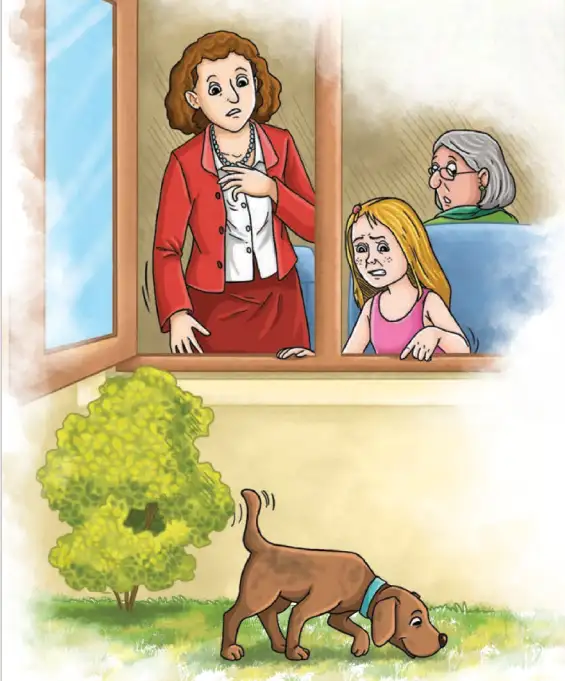
Mary
- Frank but tactless: She openly criticises people’s habits, clothes, work and interests.
- Careless: She speaks before checking the facts, repeatedly discovering that her remarks concern someone present.
- Embarrassed: She apologises when she realises her comments have offended or misjudged someone, but continues making similar mistakes.
Mrs. Shaw
- Diplomatic: She quietly redirects the conversation when Mary’s remarks become uncomfortable.
- Hospitable: She thanks her visitors and asks them to stay longer.
Mrs. Harding and Mrs. Lee
- Mrs. Harding: Calmly corrects Mary about her children and dog, but becomes ready to leave after the repeated awkward remarks.
- Mrs. Lee: Patiently points out that Mary’s criticisms apply to her brother and mother too.
Tact and considerate conversation
The scene shows how careless criticism can hurt or embarrass people, especially when the speaker has not checked the facts. Thoughtful, polite conversation helps avoid awkwardness.
Why does Mary repeatedly embarrass herself?
Why do Mrs. Harding and Mrs. Lee decide to leave?
Quick recap
- Mary likes to speak freely but often says things that are rude or ill-considered.
- Her mistaken assumptions lead to a series of embarrassing discoveries.
- Mrs. Shaw tries to keep the conversation polite and comfortable.
- Mrs. Lee and Mrs. Harding reveal how Mary’s criticisms affect people around her.
- The guests leave after the conversation becomes awkward; Mary’s final words remain tactless.
English — ALL CHAPTERS
1
The Day The River Spoke
2
Poem-Try Again
3
Three Days to See
4
Animals, Birds, and Dr. Dolittle
5
Poem - A Funny Man
6
Say the Right Thing
7
My Brother’s Great Invention
8
Poem-Paper Boat
9
North, South, East, West
10
The Tunnel
11
Poem- Travel
12
Conquering the Summit
13
A Homage to Our Brave Soldiers
14
Poem- My Dear Soldiers
15
Poem - Rani Abbakka