Class 8 . Social Science . Exploring Society India and Beyond Part I . Natural Resources and Their Use
Chapter 1: Natural Resources and Their Use
Ch 1
Social Science
Class 8
When does Nature become a Resource?
Nature and human use
Nature — The living and non-living parts of our environment that have not been created by humans.
Natural resource — A material or substance from Nature that is valuable to humans and used for their needs or to make things they consume.
How something becomes a resource
- Human use: An element of Nature becomes a resource when people use it for sustenance or to create useful products.
- Example: A tree exists naturally; when its wood is used to make furniture, it is being used as a resource.
- Changing value: An element may exist in Nature without being a usable resource until people can and choose to use it.
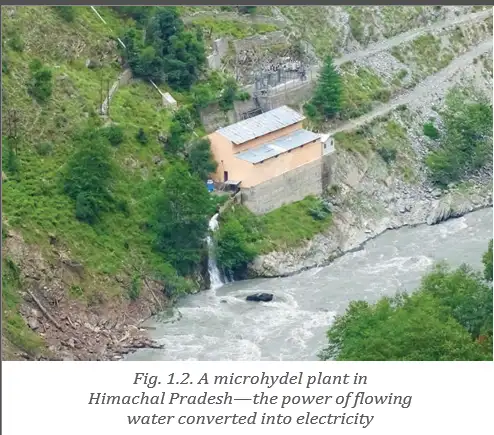
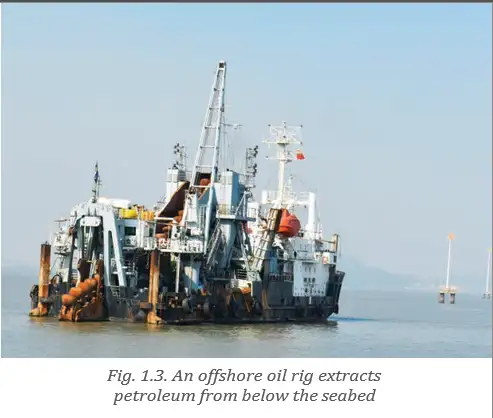
Conditions for something to be a resource
- Technologically accessible: People need the technology to reach and use the resource.
- Economically feasible: The cost of obtaining and using it must be manageable.
- Culturally acceptable: Its use should be acceptable within the values and practices of the people concerned.
- Example: Petroleum deep beneath the ocean may not be a usable resource if the technology is unavailable or extraction costs are too high; cutting trees in a sacred grove may be culturally unacceptable.
Exploitation of natural resources — In this context, exploitation means extracting, using and consuming natural resources; it does not necessarily mean mistreatment.
Examples and ways of valuing Nature
| More obvious | Less obvious |
|---|---|
| Water, air, soil | Coal, petroleum, precious stones, metal ores, timber |
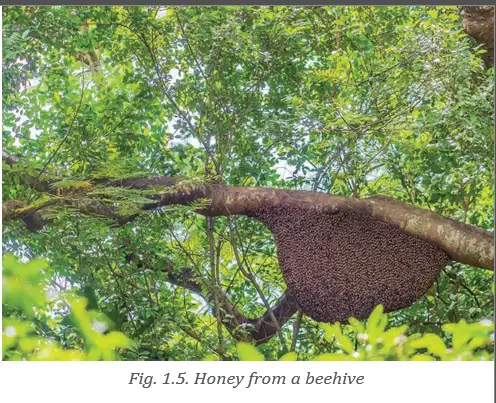
- Other examples: Honey is a natural resource obtained from beehives.
- Cultural values: Many Indigenous traditions regard Nature as sacred and as a nurturer and nourisher; these values can shape which resources people consider acceptable to use.
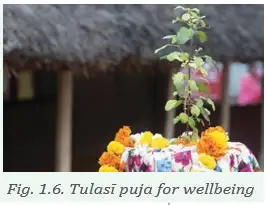
Using resources responsibly
Regenerative economy — An economy that works in harmony with Nature by reusing resources, reducing waste and replenishing depleted resources.
- Nature
- Living and non-living parts of the environment not created by humans.
- Natural resource
- Something from Nature that people value and use.
- Exploitation
- Extraction, utilisation and consumption of natural resources in this context.
- Regenerative economy
- An economy that reuses resources, limits waste and replenishes depleted resources.
What conditions must be met for an element of Nature to be usable as a resource?
Quick recap
- Nature includes living and non-living parts of the environment not made by humans.
- An element of Nature becomes a natural resource when people value and use it.
- Resources must be technologically accessible, economically feasible and culturally acceptable to use.
- Examples include water, air, soil, coal, petroleum, metal ores, timber and honey.
- In this lesson, exploitation means extraction, use and consumption of resources.
- A regenerative economy reuses resources, reduces waste and replenishes depleted resources.
Categories of Natural Resources
Why We Categorise Natural Resources
- Purpose: Categorising resources by shared characteristics makes them easier to name, compare and discuss.
- Communication: Shared categories help people communicate clearly without having to describe each resource every time.
Categories Based on Use
| Category | Use and examples |
|---|---|
| Essential for life | Air, water and food; obtained from the atmosphere, water bodies, soil and other living things. |
| For materials | Nature’s resources are made into useful or beautiful objects; examples include wood, marble, coal and gold. |
| For energy | Sources that provide energy for electricity, transport and production; examples include coal, water, petroleum, natural gas, sunlight and wind. |
Resources Essential for Life
- Necessities: Air, water and soil are vital to life, and humans cannot create them.
Resources for Materials
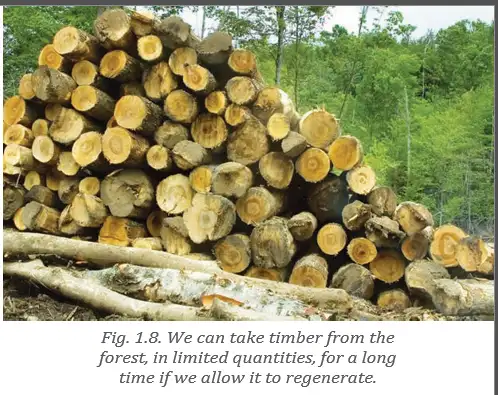
- Transformation: People can shape natural materials into objects, such as turning wood into a chair or carving it into a statuette.
Resources for Energy
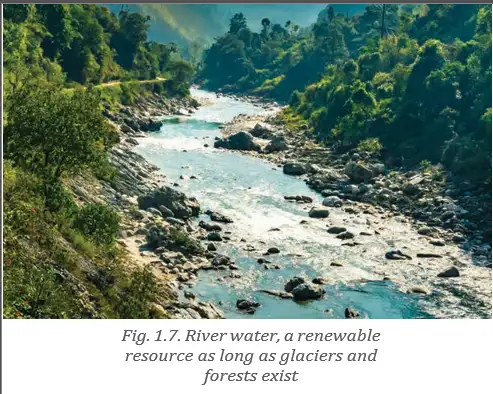
- Natural resource
- A useful part of nature that people depend on or use.
- Categorisation
- Grouping things using shared characteristics or criteria.
- Renewable resource
- A resource that can be replenished when it is carefully managed.
What are the three categories of natural resources based on their use?
How can timber be a renewable resource?
Quick recap
- Natural resources can be categorised using shared criteria; use is one such criterion.
- Air, water and food are essential for life, and people depend on nature for them.
- Resources such as wood, marble, coal and gold can be used to make objects.
- Coal, water, petroleum, natural gas, sunlight and wind are energy sources.
- Careful management can help water and timber remain renewable resources.
Renewable and Non-Renewable Resources
Nature’s Restoration and Regeneration
- Restoration: Nature can return something degraded or damaged to a healthy state; for example, a forest can recover after a wildfire.
- Regeneration: Nature can create new life and the conditions needed for it to thrive.
Renewable Resources
Human Actions Can Disrupt Renewal
- Fossil-fuel-driven industrialisation and forest clearing for agriculture and other uses → rising temperatures.
- Rising temperatures → some Himalayan glaciers melt faster than precipitation can replace them.
- Reduced glacier replenishment → risks to water security for people in the plains who depend on the Himalayan ‘water tower’.
Managing Ecosystems and Pollution
- Fishing practices in some communities traditionally avoided fishing during spawning seasons, allowing fish populations to replenish.
- Overfishing increased with the commercialisation of fishing. Tuna populations have declined rapidly; tuna also help balance ocean ecosystems by eating smaller fish and shrimps.
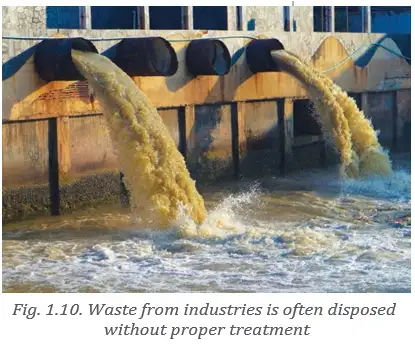
- Industrial waste is often discharged into rivers and other water bodies. Waste that cannot decompose and support other life disrupts natural cycles.
- Result: polluted rivers can become poisonous and unable to support life.
| Point | Ecosystem functions | Ecosystem services |
|---|---|---|
| Meaning | Natural processes carried out by ecosystems. | Benefits people receive from those natural processes. |
| Forest examples | Filtering water, preventing soil erosion, and providing animal habitats. | Clean water, protected farmland, and pollinated crops. |
A Tree’s Oxygen Contribution
- Mature tree: produces about 275 litres of oxygen per day; the amount varies by tree type.
- Human need: about 350 litres of oxygen per day, varying with activity, height, weight, and other factors.
Non-Renewable Resources
| Point | Renewable resources | Non-renewable resources |
|---|---|---|
| Replenishment | Can renew over time if natural cycles remain healthy. | Form over very long periods and cannot replenish at the rate of use. |
| Examples | Sunlight, wind, flowing water, and sustainably managed timber. | Coal, petroleum, iron, copper, and gold. |
| Main concern | Overuse or ecosystem disruption can reduce availability. | Use depletes finite reserves, so careful consumption and alternatives are needed. |
- Restoration
- Nature’s return of damaged or degraded systems to a healthy state.
- Regeneration
- Nature’s ability to create new life and conditions for it to thrive.
- Sustainable use
- Using resources without disrupting their ability to renew.
- Ecosystem function
- A natural process performed by an ecosystem.
- Ecosystem service
- A benefit people receive from an ecosystem’s natural processes.
When does a renewable resource risk becoming depleted?
Why are coal and petroleum classified as non-renewable resources?
Quick recap
- Nature restores damaged systems and regenerates new life through natural cycles.
- Renewable resources remain renewable only when used sustainably and their renewal cycles are protected.
- Forest clearing, fossil-fuel use, overfishing, and pollution can disrupt ecosystem balance and renewal.
- Ecosystem functions are natural processes; ecosystem services are the benefits people gain from them.
- Non-renewable resources form over long periods and cannot replenish as quickly as they are consumed.
- Use finite resources such as coal judiciously while expanding sustainable alternatives.
Distribution of Natural Resources and its Implications
Uneven distribution of natural resources — Natural resources are not spread equally across the world or within individual countries.
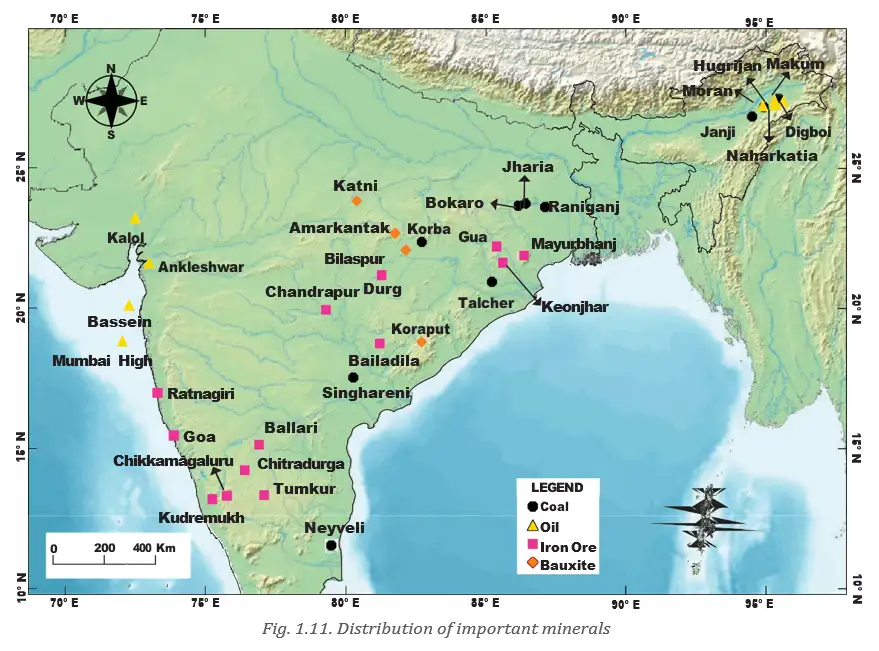
How resource distribution shapes life
- Settlements: People and industries often cluster near available resources.
- Trade: Resource locations influence national and international trade routes and patterns.
- Relations: Unequal access can shape relations between regions and countries.
- Conflict: Competition for control of valuable resources has caused, and continues to cause, conflicts and wars.
Resource development: benefits and costs
- Resources attract industries and development.
- Industries create local jobs; townships grow and economic opportunities expand.
- Modern facilities may improve quality of life.
- Development can displace residents and threaten sacred places.
- Displacement and threats to sacred places can lead to conflict; costs may be both short-term and long-term.
| Benefits | Costs |
|---|---|
| Employment and wider economic opportunities | People may be displaced from their homes |
| Growing townships and access to modern facilities | Sacred places may be threatened; conflicts may arise |
Resources, Trade and Economic Growth
- Trade: The geographical location of resources helps shape where and how trade develops.
- Skills and knowledge: Combined with resources, human knowledge and skills can produce distinctive goods.
- Example: Wootz steel is an example of a unique product made through this combination.
- Empires: Trade helped fuel the development of large empires in India.
Sharing Resources Across Boundaries
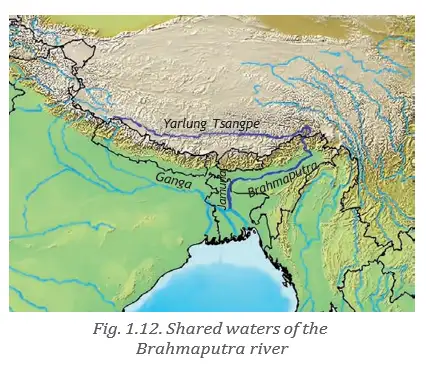
Transboundary natural resource — A natural resource, such as a river, that extends across political boundaries and may need to be shared by multiple regions or countries.
- Cause of tension: Nature’s resources do not follow political boundaries, so regions or countries may depend on the same resource.
- Challenge: Negotiating fair sharing across borders can be difficult, especially between neighbouring countries.
- Management: Negotiations and careful management can help maintain peace and fair sharing.
Shared rivers and tensions
- A river crosses political boundaries.
- More than one region depends on its water.
- Competing needs can create tension over access and distribution.
- Negotiations and careful management are needed for peaceful, fair sharing.
Kaveri River water sharing
- Shared by: Karnataka, Tamil Nadu, Kerala and Puducherry.
- Key point: Negotiations and deft management are needed to support peace and fair sharing.
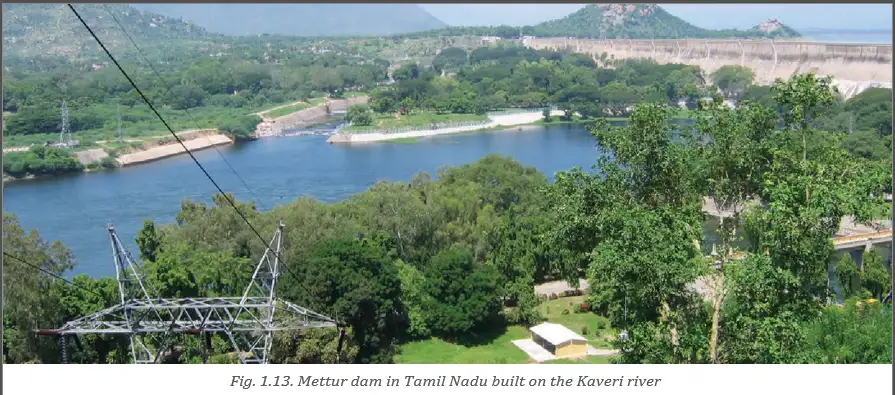
- Uneven distribution
- Resources are available in different amounts and locations across regions.
- Displacement
- The movement of people from their homes, often because of development.
- Resource conflict
- Tension or conflict arising from competition over access to or control of resources.
- Transboundary resource
- A resource that extends across the boundaries of regions or countries.
- Wootz steel
- A distinctive product created through the combination of natural resources, knowledge and skills.
How can resource development benefit and harm local communities?
Why can shared natural resources cause tensions?
Quick recap
- Natural resources are unevenly distributed, shaping settlements, trade, relations and conflicts.
- Industries near resources can create jobs and growth, but development may displace people and threaten sacred places.
- Trade and human skills can turn resources into distinctive goods, such as Wootz steel.
- Natural resources cross political boundaries, making cooperation important for fair sharing.
- The Kaveri River is shared by Karnataka, Tamil Nadu, Kerala and Puducherry.
The ‘Natural Resource Curse’
Why Resource Abundance Can Become a Curse
- Resource curse: Abundant natural resources do not automatically bring prosperity; economies may grow slowly if they do not develop industries that turn resources into higher-value products.
- Overcoming the curse: Investment in industries, technology and skills can help convert resources into lasting economic benefits. India has generally avoided the curse by developing industries to meet its needs.
Responsible Use: Stewardship
- Stewardship: Respect Nature and manage resources responsibly so that they support life over the long term.
- Challenge: Irresponsible treatment of resources contributes to pollution, biodiversity loss and climate change.
Restoring and Regenerating Renewable Resources
Groundwater Depletion
- Groundwater extraction exceeds replenishment.
- A deficit accumulates in the water table.
- Extraction becomes more costly.
- Groundwater may eventually become unavailable.
Preventing Soil Degradation
Soil Degradation
- Chemical fertilisers and pesticides are used improperly.
- Soil quality declines.
- Natural fertilisers, mulching and multi-cropping can support soil management and rejuvenation.
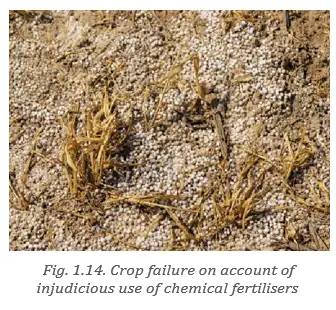
- Natural resource curse
- Slow economic growth in a resource-rich region when resource wealth does not lead to broader development.
- Stewardship
- Respectful, responsible management of natural resources.
- Groundwater replenishment
- The renewal of groundwater that restores the water table.
- Soil degradation
- Decline in soil quality, including from improper use of chemical fertilisers and pesticides.
What is the natural resource curse, and how can a country reduce its risk?
State two ways to conserve groundwater and two traditional practices that help manage soil.
Quick recap
- Resource abundance alone does not guarantee prosperity; value-adding industries and sound planning matter.
- India has generally avoided the resource curse through investment in industries.
- Stewardship means allowing renewable resources to regenerate and using non-renewable ones judiciously.
- Groundwater over-extraction can raise costs and eventually make water unavailable.
- Water harvesting, pond rejuvenation, reduced waste and water reuse can help conserve groundwater.
- Improper chemical use degrades soil; natural fertilisers, mulching and multi-cropping can support soil health.
Overexploitation of Groundwater: A Caselet from Punjab
Punjab’s Groundwater Crisis
Background
- Green Revolution: Punjab helped feed a large part of India and contributed to the country becoming self-sufficient in food.
- Sustainability concern: Groundwater has been used faster than nature can restore it, at least in the short term.
- Wider issue: Groundwater overuse is not limited to Punjab; many other states face it too.
Key Dates
- 1960sFarmers shifted to high-yielding wheat and paddy varieties, increasing the demand for irrigation water.
- June 2022A map showed groundwater depth across Punjab and Chandigarh.
Causes and Effects of Overuse
How Groundwater Became Overexploited
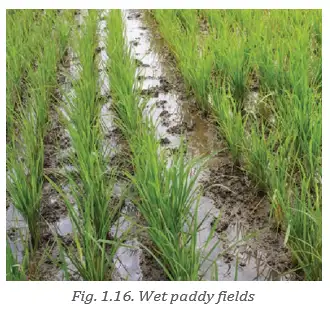
- High-yielding wheat and paddy varieties introduced in the 1960s needed more water than traditional seeds.
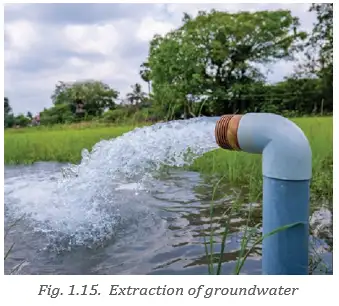
- Farmers extracted groundwater to meet the increased irrigation demand.
- Free power encouraged excessive pumping of groundwater.
- Modern farming also relied on chemical pesticides and fertilisers.
- Groundwater levels fell, while dissolved chemicals created health hazards.
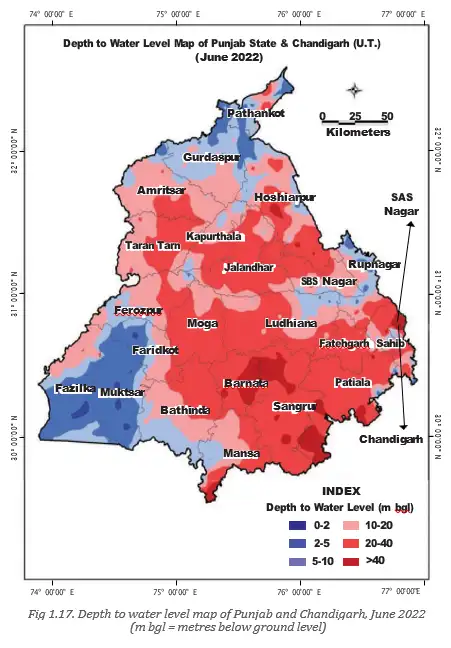
Evidence of the Crisis
- Falling water table: In a large part of Punjab, groundwater is now inaccessible until depths of about 30 metres.
- Overexploited area: Almost 80% of Punjab’s area is classified as overexploited.
- Meaning: Water is being drawn faster than groundwater can be restored and replenished.
| Point | Short-term outcome | Long-term consequence |
|---|---|---|
| Food production | Food security was supported by increased crop production. | The consequences of groundwater depletion will take time and effort to heal. |
| Natural resources | Groundwater met immediate irrigation needs. | Over-pumping depleted water supplies and chemical pollution created health risks. |
- Groundwater
- Water stored below the ground, drawn for uses such as irrigation.
- Overexploitation
- Using groundwater faster than it can be restored or replenished.
- High-yielding varieties
- Crop varieties introduced in Punjab that required more water than traditional seeds.
- Sustainability
- Using resources in a way that does not exhaust them faster than they can regenerate.
Why did groundwater use increase in Punjab?
What evidence shows that Punjab’s groundwater is overexploited?
Quick recap
- Punjab’s Green Revolution helped strengthen India’s food security.
- High-yielding wheat and paddy varieties increased irrigation demand from the 1960s.
- Free power encouraged excessive pumping of groundwater.
- Groundwater is inaccessible until depths of about 30 metres in much of Punjab.
- Almost 80% of Punjab’s area is classified as overexploited.
- Pesticide and fertiliser chemicals in groundwater can create health hazards.
- Short-term food gains have brought long-term environmental costs.
The Case of Cement
Cement: Uses and Environmental Costs
Cement and pollution
- Uses: Cement is essential for houses, schools, hospitals, bridges, roads, airports and other buildings.
- Polluting industry: Cement production is listed as one of the most polluting industries.
- Dust pollution: Fine dust released during production can damage the lungs of people and animals.
- Environmental effects: Dust settling on leaves can reduce plant yields; production also contributes to soil and water pollution.
- Regulation: The Central Pollution Control Board has guidelines for cement factories to minimise or eliminate pollution.
| Material | Examples |
|---|---|
| Traditional | Stone and mud |
| Plant-based | Materials made from plants |
| Recycled | Materials made from waste plastic |
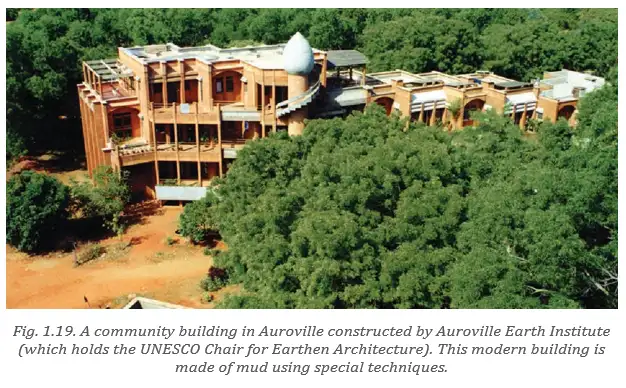
Sustainable building materials
- Approach: Traditional materials and methods can be combined with modern technology to create sustainable alternatives.
- Benefits: Their production is less polluting, can provide local employment and can be designed for the local climate.
Traditional Knowledge: Vrikshayurveda
Vrikshayurveda — An ancient Indian botanical knowledge system concerned with the study and care of plants and trees; in Sanskrit, *vriksha* means tree and *ayurveda* means the science of life or health.
Its agricultural guidance
- Planting: It recommends plants suited to particular soil types and explains seed collection, preservation and pre-planting treatment.
- Irrigation: Watering guidance varies with plant species, growth stage and season.
- Pest management: It describes natural repellents and plants that can be grown together.
- Soil health: Crop rotation and mixed cropping help maintain soil health.
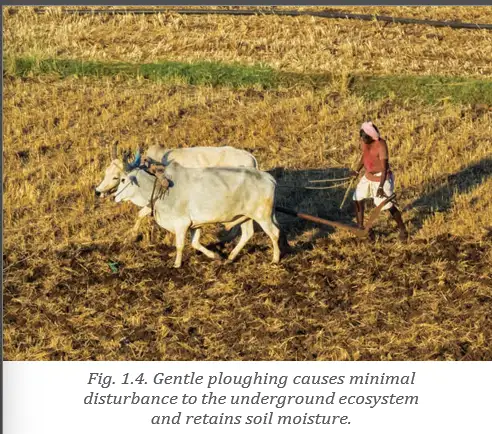
- Ploughing: Recommended methods retain soil moisture and support soil organisms such as fungi, bacteria and earthworms.
Origins and written record
- Several millennia agoVrikshayurveda developed as a traditional system of plant and tree knowledge.
- Around the 10th century CEThis knowledge was formalised in texts such as Surapala’s Vrikshayurveda.
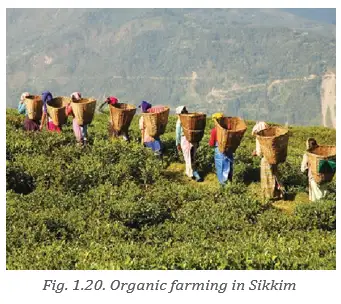
Sikkim: A Shift to Organic Farming
Pema’s family farm
- Declining yields and rising debts from costly chemical inputs
- The state government promotes organic farming, so Pema’s family begins the transition
- Yields initially fall while the soil recovers from years of chemical use
- The family uses compost, neem-and-garlic pest repellents and grows several crops throughout the year
- After about five years, the farm thrives; the family sells cardamom, ginger and traditional vegetables at premium prices
Sikkim’s organic farming milestone
- 2016Sikkim became a 100 per cent organic state, with all its farmland certified organic.
Effects of the transition
- Biodiversity: Beneficial insects and birds returned as local biodiversity flourished.
- Tourism: Visitors came to see Sikkim’s organic farming model.
- Incomes: Farmers’ incomes grew by 20 per cent on average.
- Significance: Sikkim became a global model, showing that a whole region can adopt sustainable agriculture while improving ecological and economic outcomes.
- Sustainable materials
- Materials produced with less pollution and with attention to local needs, employment and climate.
- Vrikshayurveda
- Traditional Indian knowledge about the study and care of plants and trees.
- Organic farming
- Farming that uses practices such as compost and natural pest repellents rather than relying on chemical inputs.
How does cement production harm the environment and living things?
Name three kinds of guidance found in Vrikshayurveda.
What were some outcomes of Sikkim’s move to organic farming?
Quick recap
- Cement is widely used, but its production is one of the most polluting industries and creates harmful dust and soil and water pollution.
- Pollution can be reduced through factory guidelines and alternatives such as stone, mud, plant-based and recycled materials.
- Sustainable building combines traditional methods with modern technology, local employment and climate-sensitive design.
- Vrikshayurveda is an ancient Indian plant-care tradition with guidance on crops, seeds, irrigation, pests and soil health.
- Pema’s family gradually improved its farm using compost, natural repellents and multiple crops.
- Sikkim became a 100 per cent organic state in 2016, with ecological and economic benefits.
Responsible and Judicious Use of Resources
Using non-renewable resources responsibly
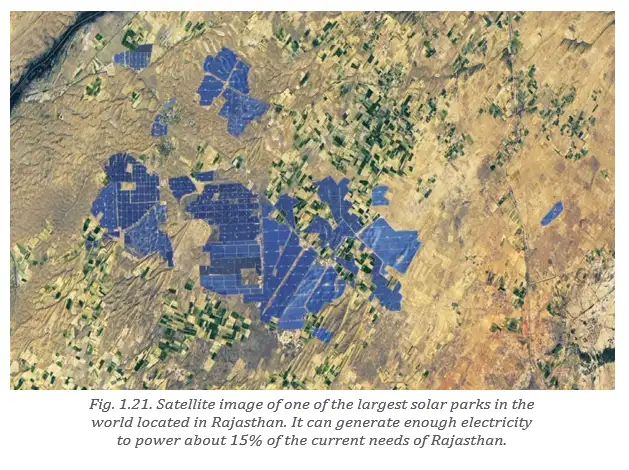
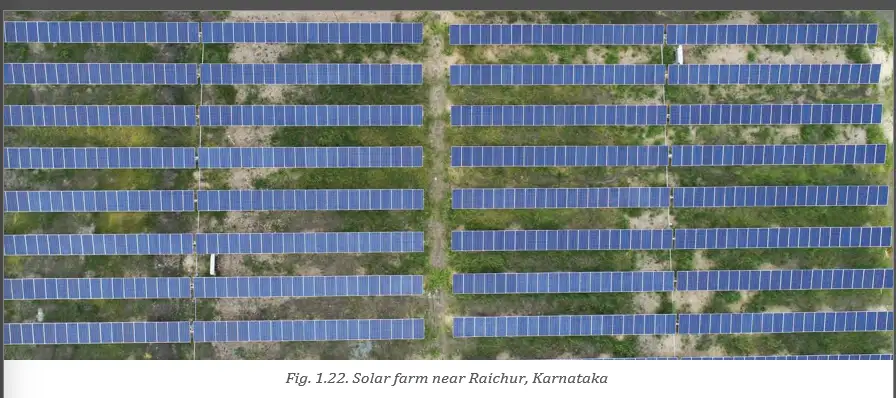
Moving towards sustainable energy
- Careful use of non-renewable resources
- More time to develop sustainable alternatives
- Greater use of renewable energy sources
Solar energy and international cooperation
Solar energy cooperation
- 2015India and France launched the International Solar Alliance to advance solar energy.
Fair access to resources
Unequal access and environmental harm
- Uneven distribution of resources
- Some communities receive insufficient drinking water or face greater pollution
- These communities bear a larger share of environmental harm
Stewardship and sustainability
- Renewable energy
- Energy from sources such as sunlight that can be replenished naturally.
- International Solar Alliance
- A coalition launched by India and France in 2015 to promote solar power among sunshine-rich countries.
- Stewardship
- Responsible care of nature and natural resources.
- Lokasangraha
- Acting beyond personal desires for the wellbeing of all.
Why should non-renewable resources be used carefully?
What does lokasangraha mean in this lecture?
Quick recap
- Use non-renewable resources carefully while developing sustainable alternatives.
- Renewable energy, especially solar power, can reduce reliance on traditional energy sources.
- India and France launched the International Solar Alliance in 2015.
- Unequal access to water and exposure to pollution can harm some communities more than others.
- People should act as stewards of nature by restoring, regenerating and sustaining resources.
- Lokasangraha encourages action for the wellbeing of all, beyond personal desires.
Summary
Natural resources — Materials and substances found in Nature that are valuable to humans.
Ways to Classify Resources
- Useful categories: Resources can be classified in different ways; renewable and non-renewable are important categories.
| Point | Renewable resources | Non-renewable resources |
|---|---|---|
| Use | Be vigilant about the rate of use to avoid overexploitation. | Use judiciously and wisely to help them last longer. |
Resource Curse and Resource Use
- Resource curse: Its effects can be overcome by investing in technology and developing people’s skills.
- Responsible use: Monitor the rate of use of renewable resources to avoid overexploitation.
- Conservation: Wise use of non-renewable resources helps make them last longer.
Quick recap
- Natural resources are materials and substances from Nature that are valuable to people.
- Renewable and non-renewable are useful ways to classify resources.
- Renewable resources must not be used so quickly that they are overexploited.
- Judicious use helps non-renewable resources last longer.
- Investment in technology and skills can help overcome the resource curse.