Class 8 . Social Science . Exploring Society India and Beyond Part I . The Colonial Era in India
Chapter 4: The Colonial Era in India
Ch 4
Social Science
Class 8
Introduction
William Digby on British Rule
William Digby’s criticism
- Earlier plunder: Digby said early Britons in Bengal and the sister Presidencies treated the land and people as objects for plunder.
- Later administration: He argued that plunder under later British administrators was even more outrageous.
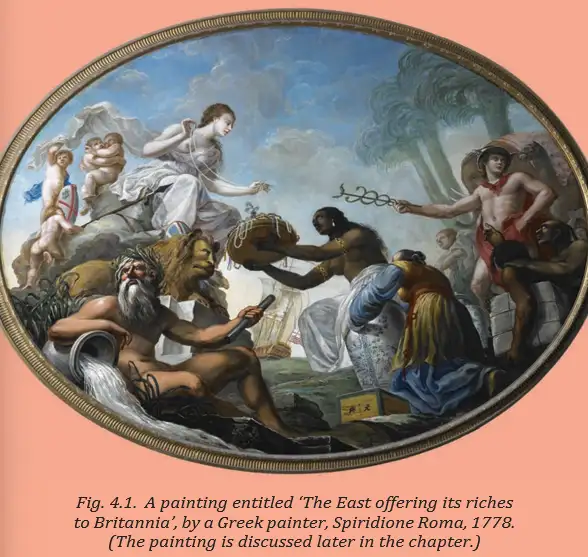
- Indian wealth: In 1901, Digby claimed that Indian wealth had helped make England great, taken through the power and skill of the stronger.
Questions About Colonialism and India
Big questions of the chapter
- Colonialism: What is colonialism, and what drew European powers to India?
- India’s position: What was India’s economic and geopolitical standing before and during colonial rule?
- Impact: How did British colonial domination affect India?
From the Mughal Empire to British Domination
India under British expansion
- Mughal decline: The Marathas had considerably weakened the Mughal Empire.
- British conquest: The Marathas later succumbed to British forces in the early 19th century.
- More than military campaigns: Military campaigns were only one factor in India’s move under British domination.
- Imperial status: India became the British Empire’s largest colony, often called its “jewel in the Crown.”
From weakened empires to British domination
- The Marathas considerably weaken the Mughal Empire.
- British forces defeat the Marathas in the early 19th century.
- Military campaigns, alongside other factors, contribute to British domination.
- India becomes the British Empire’s largest colony.
- Colony
- A territory controlled by another country.
- British Empire
- The empire of which India became the largest colony.
- Jewel in the Crown
- A phrase used for India as the British Empire’s largest colony.
Dates and periods mentioned
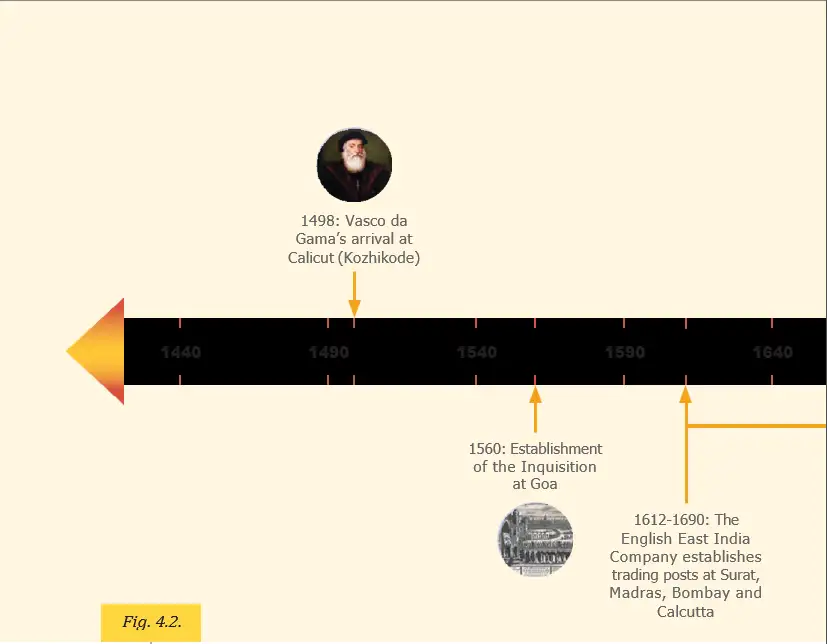
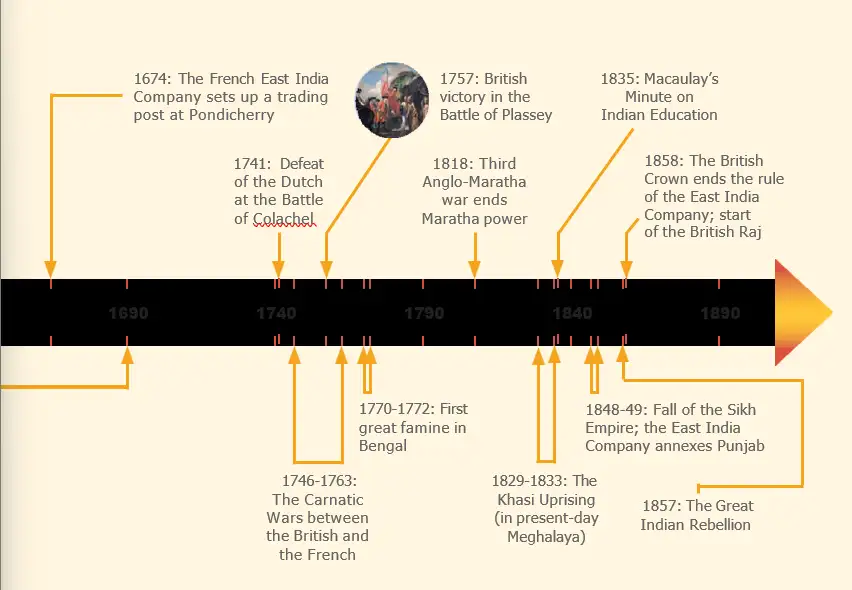
- 1674–1858Period covered by the timeline of key events in the British colonial era in India.
- 1778An allegorical painting depicted the East offering its riches to Britannia.
- Early 19th centuryThe Marathas succumbed to British forces.
- 1901William Digby argued that Indian wealth helped make England great and criticized continuing plunder under British administrators.
What contrast did William Digby draw between earlier and later British rule?
Why were military campaigns only one factor in British domination of India?
Quick recap
- The chapter asks what colonialism is and what drew European powers to India.
- William Digby criticized British plunder and said Indian wealth helped make England great.
- The Marathas weakened the Mughal Empire before succumbing to British forces in the early 19th century.
- Military campaigns were only one factor in British domination of India.
- India became the British Empire’s largest colony, known as its “jewel in the Crown.”
The Age of Colonialism
Colonialism: Meaning and Early History
- Colonialism: One country takes control of another region, establishes settlements, and imposes its political, economic, and cultural systems.
- Early history: Colonialism dates back to the great empires of the 1st millennium BCE; the spread of Christianity and Islam also involved colonisation in the 1st millennium CE.
The European Age of Colonialism
- Enslavement
- Turning someone into a slave.
- Indigenous population
- The people originally belonging to a region.
- Demonise
- To falsely portray a person or group in a very negative way.
Motives for Colonial Expansion
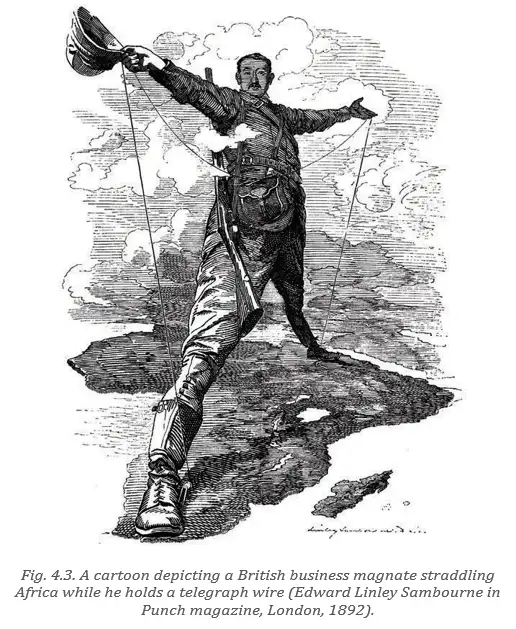
- Political rivalry: Competition among European powers drove them to seek territory and global influence.
- Economic gain: Colonies offered access to natural resources, markets, trade routes, and opportunities for plunder.
- Other motives: Conversion to Christianity and the desire to explore and study unknown lands also encouraged expansion.
Colonial Claims and Realities
Resistance and Decolonisation
Colonial Expansion and Its Consequences
- Political rivalry and the search for economic, religious and scientific gains
- European powers expand and conquer territories
- Colonial control brings resource exploitation and imposed political, economic and cultural systems
- Loss of independence and changes to traditional life contribute to resistance
- Resistance and other factors contribute to decolonisation
What were the main motives behind European colonial expansion?
How did colonial rule affect colonised peoples?
Quick recap
- Colonialism is one country’s control of another region and its systems.
- The European Age of Colonialism began in the 15th century and spread across many continents.
- European powers pursued territory, economic gains, religious conversion and scientific knowledge.
- Colonialism brought global connections and growth, but its benefits mostly went to the colonisers.
- Colonised peoples faced exploitation, loss of independence and disruption of traditional life.
- Resistance grew, and decolonisation accelerated in the mid-20th century, especially after World War II.
Europeans in India
India before European colonisation
India’s trade and economy
- Trade: India traded with the Greeks and Romans over two millennia ago; Indian goods were in high demand around the Mediterranean.
- Goods: Spices, cotton, ivory, gems, sandalwood, teakwood and wootz steel were among India’s exports.
- Economic strength: Historical estimates, particularly those of economist Angus Maddison, suggest India produced at least one-fourth of world GDP and was one of the world’s two largest economies, alongside China.
- Attraction: Travellers described India as flourishing, with strong manufacturing, diverse agriculture and extensive internal and overseas trade; its prosperity attracted European colonial ambitions.
GDP — Gross domestic product: the value of goods and services produced by a country (or the world) in one year.
The Portuguese: commerce and atrocities
Portuguese expansion and control
- Arrival: Explorer and navigator Vasco da Gama reached Kappad, near Kozhikode in Kerala, in May 1498; this began European colonisation in India.
- Violence: On his second voyage, four years later, da Gama seized, tortured and killed Indian merchants and bombarded Calicut from the sea.
- Ports: The Portuguese captured Goa in 1510, making it the capital of their Indian colony, and established trading posts along the Malabar and Coromandel coasts.
- Cartaz: This permit system required ships sailing in the Arabian Sea to buy Portuguese passes; ships without permits were seized.
- Trade monopoly: Portuguese naval dominance helped them control the India–Europe spice trade for nearly a century.
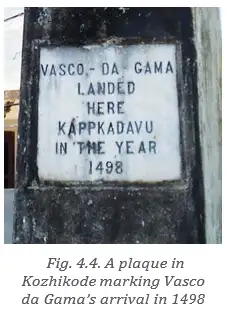
Religious persecution and resistance
- Goa Inquisition: Established by the Portuguese in 1560, it persecuted Hindus, Muslims, Jews and Christian converts suspected of practising their original faith.
- Abuses: Persecution included forced conversions and the destruction of many Hindu temples; the Inquisition was abolished in 1812.
- Rani Abbakka I: Ruler of the trading port of Ullal in present-day southern Karnataka; in the latter half of the 16th century, she formed alliances with neighbouring kingdoms to resist repeated Portuguese attempts to capture Ullal.
- Rani Abbakka II: Abbakka I’s successor is reported to have made fireballs from coconut shells and set Portuguese ships on fire.
- Legacy: Abbakka I was captured and died fighting in prison; the sisters’ stories are remembered through Yakṣhagāna, a traditional dance-drama.
Inquisition — A tribunal established by the Roman Catholic Church to judge heresy, including beliefs or practices considered contrary to Church doctrine.
The Dutch: commerce and competition
Dutch commercial presence
- Arrival and aim: The Dutch arrived in India in the early 17th century and concentrated mainly on commercial dominance, especially the spice trade.
- Company and posts: The Dutch East India Company established trading posts at Surat, Bharuch and Cochin (Kochi) on the west coast, and Nagapattinam and Masulipatnam (present-day Machilipatnam) on the east coast.
- Malabar: Their strongest presence was in Kerala’s Malabar region, where they displaced the Portuguese from several trading centres.
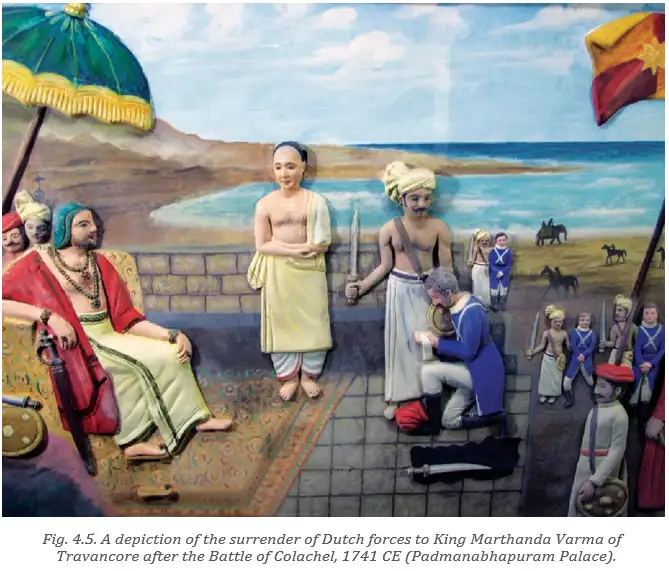
The Battle of Colachel
- Defeat: In 1741, Travancore’s forces under King Marthanda Varma defeated the Dutch on land and at sea.
- Result: The Dutch presence in India declined significantly after the battle.
- Importance: Colachel was a rare instance of an Asian power successfully repelling a European colonial force.
| Point | Portuguese | Dutch |
|---|---|---|
| Main focus | Spice trade and naval control, alongside religious persecution | Commercial dominance, particularly in the spice trade |
| Key methods | Cartaz permits, seizure of unlicensed ships and capture of strategic ports | Trading posts and competition with other European traders |
| Decline or resistance | Faced resistance from rulers such as Rani Abbakka I and II | Defeated by Travancore at Colachel in 1741 |
Key dates
- May 1498Vasco da Gama arrived at Kappad near Kozhikode.
- 1502On his second voyage, da Gama attacked Indian merchants and bombarded Calicut.
- 1510The Portuguese captured Goa.
- 1560The Portuguese established the Goa Inquisition.
- 1812The Goa Inquisition was abolished.
- Early 17th centuryThe Dutch arrived in India.
- 1741Travancore defeated the Dutch at the Battle of Colachel.
- Cartaz
- Portuguese pass required for ships navigating in the Arabian Sea.
- Inquisition
- Church tribunal that judged people suspected of heresy.
- Trading post
- A place established by a trading power to conduct commerce.
How did the Portuguese control the spice trade between India and Europe?
Why was the Battle of Colachel significant?
Quick recap
- India had extensive trade and was estimated to contribute at least one-fourth of world GDP before European colonisation.
- Vasco da Gama’s arrival at Kappad in 1498 began European colonisation in India.
- Portuguese cartaz permits and naval power helped them dominate the spice trade.
- Portuguese rule included persecution in Goa and faced resistance from Rani Abbakka I and II.
- The Dutch focused on trade and established posts across India, especially in Malabar.
- Travancore’s victory at Colachel in 1741 led to a major decline in Dutch influence in India.
The French: Colonial Ambitions
French Trading Posts and Ambitions
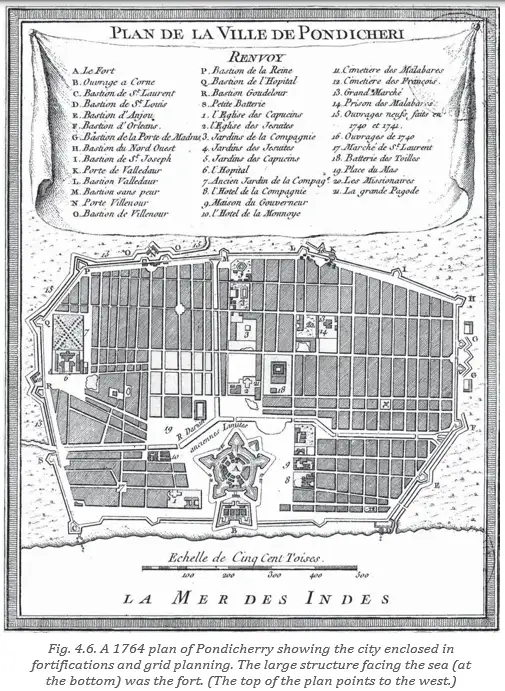
French Decline and Religious Policy
| Point | French | Portuguese |
|---|---|---|
| Intervention in social and religious life | Generally limited; the 1748 temple destruction was a notable exception. | Greater intervention than the French. |
- Sepoy
- An Indian infantry soldier trained in European military techniques.
- Indirect rule
- Control exercised through local rulers supported or installed by a colonial power.
- Enclave
- A small territory under a power’s control within a wider region.
The British: From Traders to Rulers
How the East India Company Expanded Its Power
- Royal charter grants the Company special powers, including the right to raise a private army.
- Agents establish coastal trading posts while presenting themselves as traders.
- The Company gradually turns its commercial footholds into imperial power.
How did Dupleix strengthen French influence in India?
Why were the British able to establish early trading posts with little resistance?
Quick recap
- The French established posts at Surat (1668) and Pondicherry (1674).
- Dupleix used European-trained sepoys and indirect rule through local rulers.
- The Carnatic Wars (1746–1763) ended in French losses and reduced French territory.
- French interference in Indian religious life was usually limited, though the 1748 temple destruction was a major exception.
- The English East India Company began as a trading company with a royal charter and powers including a private army.
- The British gradually turned trading posts into an imperial power.
The Strategy of ‘Divide and Rule’
How the Company Used Divide and Rule
Divide and rule — A strategy of exploiting rivalries and divisions among rulers or communities to increase British influence and control.
The Company’s political strategy
- Political involvement: Company agents offered military help to rulers against rivals, entering local conflicts while appearing to act as traders.
- Exploiting rivalries: They used disputes between regional rulers and succession conflicts within ruling families to gain influence.
- Social divisions: The British also exploited—and sometimes encouraged—tensions between religious communities.
The Battle of Plassey
How the Company secured victory
- Conflict: Siraj-ud-daulah, the Nawab of Bengal, was in conflict with East India Company officials led by Robert Clive.
- Conspiracy: Clive promised Mir Jafar, the Nawab’s military commander, that he would be made Nawab if he betrayed Siraj-ud-daulah.
- Battle: At Palashi (called Plassey by the British), about 150 km north of present-day Kolkata, Mir Jafar’s forces stood aside; French forces assisted the Nawab.
- Outcome: The Company won despite having fewer troops, because most of the Nawab’s army did not fight against it.
- Legacy: “Mir Jafar” became a synonym in India for a traitor.
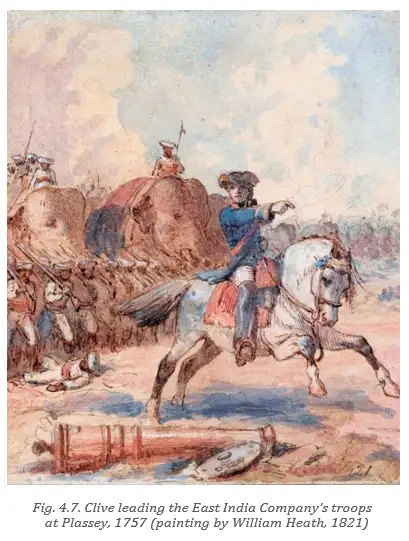
Kingmakers, Princely States and the Doctrine of Lapse
Princely state — A region ruled internally by an Indian prince, maharaja or nawab that accepted British protection and guidance.
Princely states under British influence
- Autonomy: Rulers retained internal authority in return for accepting British protection and guidance.
- Scale: There were hundreds of princely states, including Hyderabad, Mysore, Travancore and Jammu & Kashmir.
- At Independence: More than 500 princely states covered about 40% of the Subcontinent.
Doctrine of Lapse — A British policy under which a princely state was annexed if its ruler died without a natural male heir.
Effects of the Doctrine of Lapse
- Succession: The policy disregarded Hindu adoption, a legitimate way to continue succession in Indian royal families.
- Expansion: Annexations increased British territorial control.
- Resentment: The policy angered sections of Indian society and contributed to the Rebellion of 1857.
The Subsidiary Alliance
Subsidiary alliance — An arrangement in which an Indian ruler accepted British troops and a Resident in the court in return for British protection.
| Arrangement | Effect |
|---|---|
| Ruler maintained British troops at the ruler’s own expense. | The ruler bore the cost of British military control. |
| Foreign relations had to be conducted only through the British. | The ruler lost independent control of external affairs. |
| A British Resident was placed in the ruler’s court. | British influence over the court and state increased. |
| The alliance appeared to preserve princely sovereignty. | Real power shifted to the British; leaving the system was virtually impossible. |
Why it suited the British
- Low-cost control: The British controlled large territories without paying the full costs of direct administration—an “empire on the cheap.”
- No easy exit: Any ruler trying to leave the alliance risked an overwhelming British military response.
- Early adoption: Hyderabad’s ruler was among the first to join; several other rulers followed.
How the policies expanded British control
- Exploit rivalries or succession disputes → gain influence as a power broker.
- Install or support a preferred ruler → increase Company control over the state.
- Annex states under the Doctrine of Lapse or restrict them through alliances → expand British power across territories.
Key dates and periods
- 1757The Battle of Plassey demonstrated how the Company exploited divisions within a ruler’s court.
- 1798The ruler of Hyderabad was among the first to enter a subsidiary alliance.
- 19th centuryThe British introduced the Doctrine of Lapse.
- 1857Resentment over annexations under the Doctrine of Lapse contributed to the Rebellion.
- Power broker
- An intermediary who gains influence by helping determine political outcomes.
- Annexation
- The taking of a territory and bringing it under another power’s control.
- Resident
- A British official placed in an Indian ruler’s court under a subsidiary alliance.
- Natural male heir
- A ruler’s biological male successor, as required by the Doctrine of Lapse.
How did Mir Jafar’s actions help the Company win the Battle of Plassey?
What was the Doctrine of Lapse, and why did it create resentment?
How did a subsidiary alliance reduce an Indian ruler’s power?
Quick recap
- Divide and rule meant using political and social divisions to strengthen British control.
- Plassey (1757): Clive’s deal with Mir Jafar helped the Company defeat Siraj-ud-daulah.
- Kingmaker strategy: The Company gained influence by backing rulers and intervening in disputes.
- Doctrine of Lapse: States without a natural male heir were annexed, disregarding adoption.
- Subsidiary alliance: Rulers paid for British troops and surrendered control over foreign relations.
- Result: Both annexation and alliances expanded British power and generated resentment.
From Paradise to Hell?
Company Revenue and the Bengal Famine
Revenue extraction and famine
- Revenue rights: After its victory at Plassey, the East India Company gained the right to collect revenue in Bengal, Bihar and Odisha.
- Company policy: Its agents extracted high revenues while investing little in governance or development.
- Bengal famine: In 1770–1772, crop failure over two years combined with high cash-tax demands to cause a catastrophic famine.
- Death toll: Nearly one-third of Bengal’s population died—an estimated 10 million people.
- Taxes during famine: The Company maintained harsh collection targets and even increased land tax during the crisis.
How Company policy worsened the Bengal famine
- Two years of crop failure
- High cash taxes demanded regardless of harvest
- Farmers lose resources needed to survive and plant again
- Famine deepens; nearly one-third of Bengal’s population dies
Recurring Famines and the Great Famine of 1876–1878
The Great Famine
- Death toll: Up to 8 million Indians died in the Great Famine of 1876–1878, mostly in the Deccan plateau.
- Grain exports: During the three famine years, the British administration continued exporting grain to Britain, including about one million tonnes of rice per year.
- Trader hoarding: Some Indian traders kept grain stocks hoping to sell later at higher prices, adding to artificial scarcity.
- Free-market policy: Prices were left to fluctuate; Viceroy Lord Lytton ordered that government should not interfere to reduce food prices.
- Contrast: During the famine in 1876, Lytton held an extravagant Delhi durbar with a week-long feast for 68,000 officials, rulers and maharajas.
Factors that intensified famine
- Food crisis and scarce supplies
- Traders hold stocks in expectation of higher prices
- Grain continues to be exported to Britain
- Government avoids price-reducing intervention
- Food remains scarce and famine suffering worsens
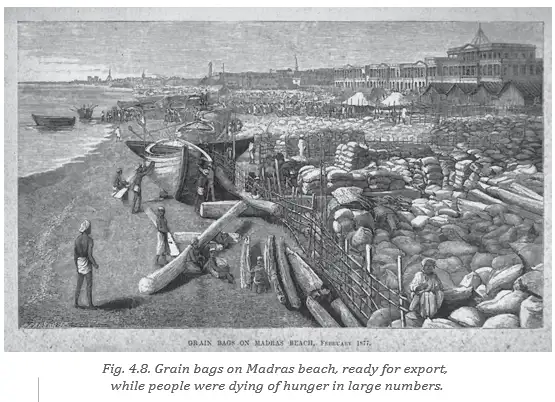
Scale of Famine and Relief
Deaths, relief and lasting poverty
- Number of famines: Estimates of severe famines during British rule range from about a dozen to over 20.
- Overall human deaths: Famine reports estimate 50–100 million human victims; millions of cattle and other animals also died.
- Relief camps: The administration opened some camps, but there were too few and supplies were inadequate.
- Relief debated: Some officials argued that relief should be kept very low; the 1878–80 Famine Commission warned that giving relief could be seen as an ongoing entitlement.
- Long-term impact: Colonial India, especially rural India, sank into deep poverty and did not recover.
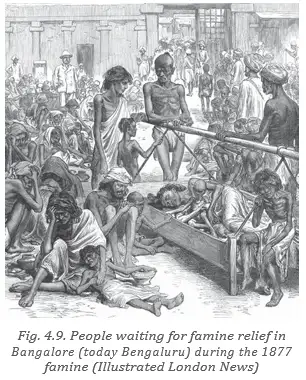
| Point | Earlier famines | Famines during British rule |
|---|---|---|
| Causes | Droughts, floods, military campaigns and other factors | These causes continued, worsened by colonial revenue and economic policies |
| Scale | Famines occurred throughout Indian history | Famines reached a much greater scale, with millions of deaths |
| Impact | Not described as occurring on the same scale | Rural India experienced deep, lasting poverty |
Major famine events
- 1770–1772The Bengal famine followed crop failures and harsh Company revenue demands; an estimated 10 million people died.
- 1876–1878The Great Famine killed up to 8 million Indians, mostly in the Deccan plateau.
- 1878–80The Famine Commission discussed whether poor people could claim famine relief.
- Paradise
- Here, an ideal, wealthy or perfectly happy place; Clive used the term for Bengal.
- Revenue
- Income collected by the government, especially land tax in this account.
- Free market
- An economic policy that leaves prices free to fluctuate, with little government interference.
- Artificial scarcity
- A shortage made worse when traders hold back goods instead of selling them.
How did Company revenue policy contribute to the Bengal famine of 1770–1772?
Name three factors that intensified the Great Famine of 1876–1878.
Quick recap
- Company revenue demands contributed to the catastrophic Bengal famine of 1770–1772.
- The Great Famine of 1876–1878 killed up to 8 million people, mostly in the Deccan plateau.
- Grain hoarding, exports and non-intervention in food prices worsened famine conditions.
- Famine relief camps were too few and poorly supplied, while some officials opposed broad relief.
- Severe famines under British rule caused an estimated 50–100 million human deaths.
- Colonial policies helped drive rural India into deep and lasting poverty.
The Drain of India’s Wealth
The Drain of Wealth
Naoroji and “Un-British Rule”
- Meaning: Naoroji’s phrase criticised colonial policies that violated the fairness and justice Britain claimed to uphold.
- Public role: Naoroji was the first Indian elected to the British House of Commons, in 1892.
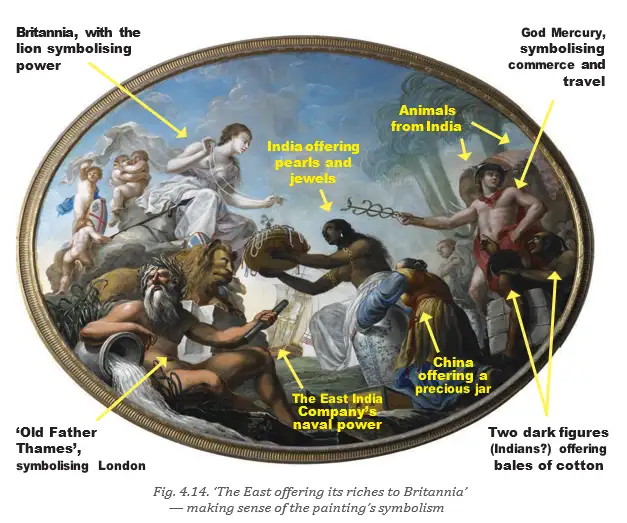
Changing Landscapes
- Colonial transformation: British rule reshaped Indian governance, law, education, and economic life to strengthen colonial control.
- Imperial priorities: New systems and infrastructure were designed chiefly to collect revenue, maintain order, and serve British strategic and commercial interests.
Decline of Indigenous Industries
Indian Manufacturing and Colonial Trade Policy
- Before the 18th century: India was renowned for manufacturing, especially textiles made from cotton, silk, wool, jute, hemp and coir.
- Textile qualities: Indian cloth was known for intricate designs, bright colours and varied textures, from fine muslin to embossed fabric.
- Unequal duties: Britain imposed heavy duties on Indian textiles entering Britain, while allowing British manufactured goods into India with minimal tariffs.
- Trade controls: British control of much of sea trade and exchange rates made it harder for Indian traders to export as before.
Effects of Colonial Trade Policies
- Unequal tariffs and British control of trade
- Indian textile exports fell while British imports into India rose
- Indian textile production and artisan livelihoods declined
- Many skilled artisans became impoverished and returned to subsistence farming on heavily taxed land
Wider Industrial Decline
- Other industries: Similar decline affected Indian iron, steel, paper and other manufactures.
- Economic position: India’s share of world GDP fell throughout colonial rule, reaching barely 5 per cent at Independence.
- Overall result: A country once among the world’s richest became one of its poorest in less than two centuries.
- William Bentinck: In 1834, the Governor-General described the devastation of cotton weavers’ livelihoods.
Dismantling Traditional Governance
| Point | Traditional Indian systems | British colonial system |
|---|---|---|
| Local administration | Village councils managed community affairs and resolved disputes. | A centralised bureaucracy replaced local systems. |
| Public works and priorities | Communities organised works such as irrigation and roads; regional kingdoms had structures suited to local needs. | Administration mainly supported tax collection and order, rather than public welfare. |
| Law and justice | Customary laws and practices guided communities. | British legal codes displaced customs; courts were expensive, slow and conducted in a foreign language. |
Consequences of the Change
- Village communities: Charles Metcalfe, acting Governor-General in the 1830s, described villages as largely self-sufficient communities that endured despite political upheavals.
- Loss of local decision-making: British centralisation weakened centuries-old community systems and their ability to manage local affairs.
- Alienation from justice: Imposed laws and unfamiliar court procedures made the judicial system difficult for ordinary Indians to access.
- Drain of wealth
- Transfer of India’s wealth to Britain through extraction and colonial spending charged to Indians.
- Subsistence agriculture
- Farming mainly to meet the basic needs of the farmer and family.
- Centralised bureaucracy
- A system of administration controlled by a central authority through officials.
- Customary law
- Rules and practices followed by a community over generations.
- Embossed fabric
- Cloth with a raised design stamped onto its surface.
Key Dates and Periods
- Before the 18th centuryIndia was renowned for its manufacturing, particularly textiles.
- 1760The Industrial Revolution in Britain began around this time, as discussed by Brooks Adams.
- 1765–1938Period covered by Utsa Patnaik’s estimate of wealth extracted from India.
- 1830sCharles Metcalfe described the resilience and self-sufficiency of village communities.
- 1834William Bentinck commented on the ruin of cotton weavers.
- 1892Dadabhai Naoroji became the first Indian elected to the British House of Commons.
- 1895Brooks Adams wrote about the connection between Indian plunder and Britain’s Industrial Revolution.
- 1901Naoroji published Poverty and Un-British Rule in India.
- 2023Patnaik’s estimate of the drain was compared with about 13 times Britain’s GDP.
How did British policies contribute to the decline of Indian textile industries?
How did British rule change traditional governance and justice in India?
Quick recap
- Colonial extraction transferred vast wealth from India to Britain through taxes and Indian-funded colonial expenses.
- Naoroji and Dutt documented the drain; Patnaik later estimated it at 45 trillion U.S. dollars for 1765–1938.
- Unequal trade policies weakened Indian textiles and other industries and impoverished artisans.
- India’s share of world GDP fell to about 5 per cent by Independence.
- British rule replaced local governance and customary law with centralised administration and inaccessible courts.
Decline of India’s Indigenous Industries
Education in India before Macaulay
Traditional learning systems
- Institutions: India had pāṭhaśhālās, madrasās and vihāras, alongside many forms of apprenticeship.
- Learning: These systems taught practical knowledge and passed on cultural values and traditions.
- Village schools: British reports described 100,000–150,000 schools in Bengal and Bihar up to 1830.
Macaulay’s 1835 Education Policy
Minute on Indian Education — Thomas B. Macaulay’s 1835 proposal promoted British education in India and sought to shape an English-oriented class of Indians.
Macaulay’s argument and policy
- Claim of superiority: Macaulay argued that European learning outweighed India’s literature, although he admitted that he knew neither Sanskrit nor Arabic.
- Policy aim: He wanted Indians to be Indian in origin but English in their tastes, opinions, morals and intellect.
- Policy debate: Some British Orientalists supported education in Indian languages, but Macaulay’s approach prevailed.
- Civilising mission: The policy reflected the colonial belief that British culture and knowledge were superior and should reshape Indian society.
Key dates
- Up to 1830Reports described 100,000–150,000 village schools in Bengal and Bihar.
- 1835Macaulay’s Minute on Indian Education promoted British education.
Effects and Colonial Aims
Effects of the new education system
- Administrative purpose: It trained Indian clerks and junior officials to staff lower colonial posts at less cost than British personnel.
- Cultural effect: Traditional schools and sources of knowledge lost standing, while English became a prestigious language associated with colonial power.
- Social effect: English-educated elites became separated from the masses, and many Indians became disconnected from their cultural heritage.
How colonial education reshaped society
- Macaulay’s policy promoted British-style education and English.
- Traditional schools and local sources of knowledge lost authority.
- English-trained Indians filled lower administrative posts at low cost.
- English gained prestige, widening the divide between educated elites and the masses.
- Orientalists
- Scholars of Asian regions; in India, many studied languages such as Sanskrit, Pali and Persian.
- Indologists
- The modern term for scholars who study India, including its languages, history and culture.
- Minute on Indian Education
- Macaulay’s 1835 proposal promoting British education in India.
What were the main aims of Macaulay’s education policy?
How did colonial education affect Indian society?
Quick recap
- India had diverse learning systems, including pāṭhaśhālās, madrasās, vihāras and apprenticeships.
- Reports described 100,000–150,000 village schools in Bengal and Bihar up to 1830.
- Macaulay’s 1835 Minute promoted British education and sought to create an English-oriented class.
- Colonial education trained Indian clerks and junior officials for the administration.
- English gained prestige as traditional schools and knowledge lost standing.
- The new system widened the social gap between English-educated elites and the masses.
Reshaping economic structures to serve imperial needs
India’s Economy and the Railways
Railway routes
- Route planning: Railway lines largely ignored existing trade patterns and were arranged to serve colonial commercial and strategic needs.
Who Paid for Colonial Infrastructure and Government?
- Indian funding: Most railway construction was paid for from Indian tax revenue, rather than being a gift from British rulers.
- Telegraphs: The telegraph network, like the railways, served colonial priorities.
- Colonial expenses: Indian taxes also paid for the administration, military installations and lavish lifestyles of British officials.
- Effect: Indians financed infrastructure and government structures that primarily helped maintain British commercial and strategic control.
How Indian Taxation Supported Colonial Rule
- Indian taxes funded railways, telegraphs, administration and military installations.
- These systems served British commercial and strategic interests.
- Indian revenue therefore helped sustain colonial control over Indians.
British Power and Early Resistance
- “Jewel in the crown”: The British used this phrase for India because it was a major source of wealth and natural and human resources for the Empire.
- British claim: The British asserted that India would remain part of their Empire forever.
- “The sun never sets”: This expression claimed that the British Empire was so extensive across the world that daylight remained in some part of it.
- Resistance: Movements opposing British authority arose almost from the beginning of the British conquest of India.
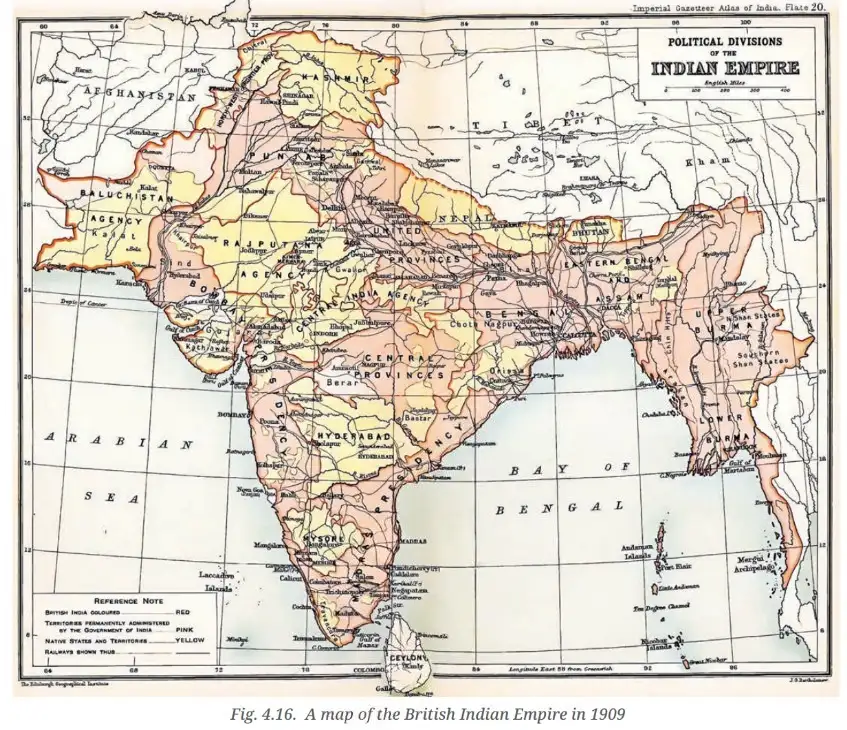
Map Reference
- 1909The map shows the British Indian Empire divided into directly administered territories and princely states, with railway lines marked.
- Raw materials
- Unprocessed or minimally processed resources used to make goods.
- Princely states
- Indian states ruled by princes rather than directly administered by the British.
- Colonial resistance
- Opposition movements challenging British rule.
What does the phrase “the sun never sets on the British Empire” mean?
Quick recap
- British rule redirected India’s economy towards supplying raw materials and buying British manufactured goods.
- Railways connected India but mainly served colonial trade and military needs.
- Indian tax revenue paid for most railway construction and other colonial expenses.
- India was called the “jewel in the crown” because of its wealth and resources.
- The British claimed India would remain part of their Empire forever; resistance challenged their authority from early in the conquest.
- The 1909 map distinguishes British-administered territories from princely states.
The ‘Sannyasi-Fakir Rebellion’
Sannyasi and Fakir Resistance
Later Significance of “Vande Mātaram”
- Early 20th century“Vande Mātaram” inspired Indians during the struggle for freedom.
- After Independence“Vande Mātaram” became India’s national song.
Tribal Uprisings
- Causes: British expansion disrupted tribal ways of life through restrictions on forests, land loss, cash taxes, debt, and the replacement of traditional councils.
- Resistance: These pressures led several tribal communities to rebel against colonial rule and those who supported it.
The Kol Uprising
- Causes: The Kol Uprising began in Chota Nagpur in 1831–1832 after British land policies favoured outsiders over the region’s tribal inhabitants.
- Course: The Kol tribes, including the Mundas and Oraons, temporarily controlled significant territory before British forces defeated them.
The Santhal Rebellion
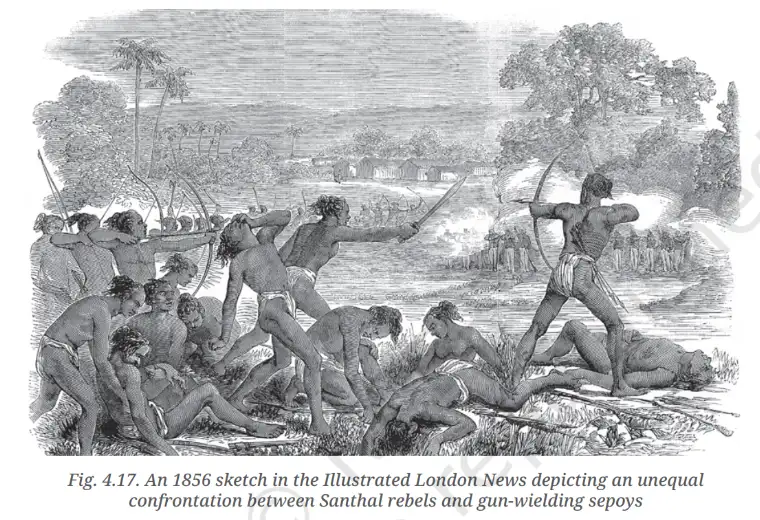
Peasant Uprisings Against Economic Exploitation
How Indigo Exploitation Led to Revolt
- High European demand for indigo → planters forced peasants to replace food crops with indigo.
- Poor payment → peasants became trapped in debt slavery.
- Peasants refused to grow indigo → planters used imprisonment, torture, property destruction and mercenaries.
- Peasants rebelled → educated Bengalis and the Bengali press supported them → authorities restricted some abuses.
- Sannyasi
- A Hindu ascetic who traditionally travelled for pilgrimage and charity.
- Fakir
- A Muslim ascetic who traditionally travelled for pilgrimage and charity.
- Criminal tribes
- A colonial label applied to hundreds of tribal communities, leading to unjust harassment.
- Indigo
- A natural deep-blue pigment used for dyeing cloth.
What caused the Sannyasi-Fakir Rebellion, and how did it influence later freedom struggles?
What were the cause and outcome of the Kol Uprising?
Why did peasants rebel in the Indigo Revolt?
Quick recap
- The Sannyasi-Fakir Rebellion began in Bengal after the 1770 famine amid Company restrictions on ascetics’ movements.
- The rebellion inspired *Anandamath* (1882); “Vande Mātaram” inspired Indians in the early 20th-century freedom struggle and became India’s national song after Independence.
- British forest, land, tax, legal and missionary policies disrupted tribal life and rights.
- The Kol Uprising (1831–1832) opposed land policies favouring outsiders in Chota Nagpur.
- The Santhal Rebellion (1855–1856), led by Sidhu and Kanhu Murmu, was brutally suppressed but inspired further resistance.
- The Indigo Revolt (1859–1862) challenged forced cultivation, debt and planter violence in northern Bengal.
The Great Rebellion of 1857
How the Rebellion Is Named
Mutiny — A rebellion by soldiers—or sailors in a navy—against their officers.
Names for the 1857 uprising
- Sepoys were Indian soldiers serving in the East India Company’s British Army; most officers were British.
- British label: The British called the uprising the “Sepoy Mutiny,” focusing on soldiers’ revolt against officers.
- Later historians: After Independence, many rejected that label as too narrow and used “Great Rebellion of 1857,” reflecting the wider challenge to British rule.
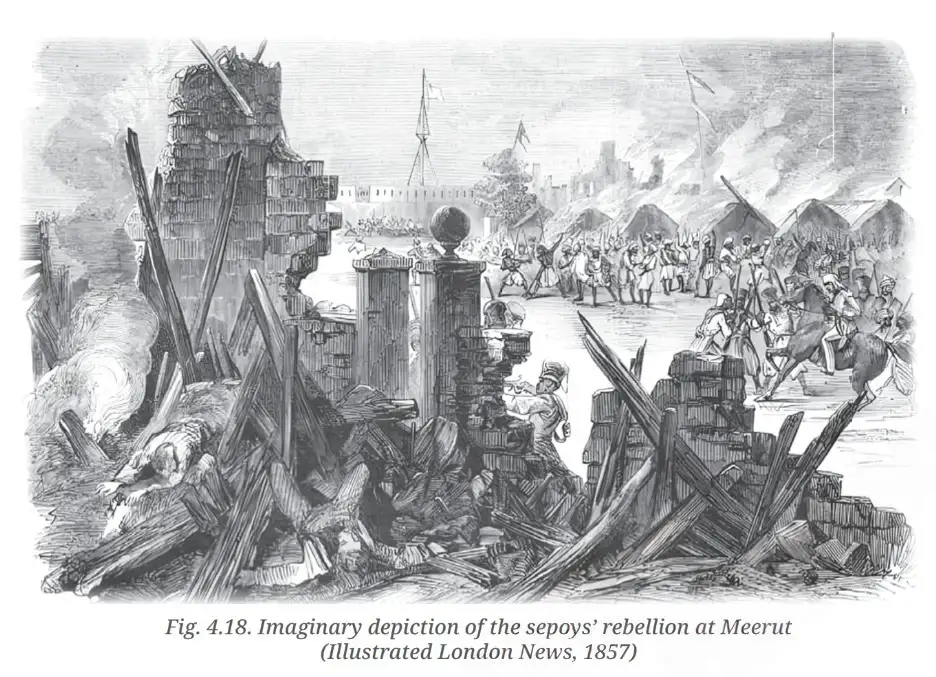
Discontent Before 1857
The Vellore Mutiny
- Cause: In 1806, new uniform rules offended Hindu and Muslim religious practices: sepoys could not wear forehead marks and were required to shave their beards.
- Revolt: Sepoys seized Vellore Fort in present-day Tamil Nadu and killed many British officers and troops.
- Suppression: The British crushed the revolt, killing or executing hundreds of sepoys.
Long-term grievances
- Land revenue: Many sepoys came from agricultural families suffering hardship under British land-revenue policies.
- Religious concerns: In 1857, rumours spread that rifle cartridges were greased with cow and pig fat, offending Hindu and Muslim sepoys.
From Grievances to Uprising
- British land-revenue hardship and repeated religious grievances
- Rumours about cow- and pig-fat cartridges spread in 1857
- At Barrackpore, Mangal Pandey attacked British officers
- His execution deepened sepoy discontent
- At Meerut, sepoys killed British officers and marched to Delhi
The Rebellion Spreads
Key events and leaders
- Delhi: The rebels proclaimed the elderly Mughal emperor Bahadur Shah Zafar as their leader, although his authority was limited and military decisions were made by commanders.
- Spread: The uprising moved across northern and central India; sepoys captured important cities including Kanpur, Lucknow and Jhansi.
- Kanpur: Nana Saheb’s rebel forces initially promised safe passage to British civilians, but later massacred over 200 men, women and children; the reasons remain debated.
British Suppression and the Rebellion’s Failure
The British response
- Delhi: After recapturing the city in September 1857, British forces carried out house-to-house massacres.
- Kanpur: British forces used mass executions to terrorise the population.
- Punitive campaign: Villages were burned and crops destroyed, causing countless deaths—far more than those caused by the rebels.
Why the uprising failed
- According to some historians: The sepoys lacked a unified command and a consistent strategy, despite the courage of several leaders.
Consequences and Significance
From Rebellion to British Raj
- The uprising failed militarily
- It helped sow the idea that foreign domination was unacceptable
- The idea later grew into a freedom struggle in the early 20th century, using different methods
- In 1858, the British Crown took direct control of India from the East India Company
- The British Raj began; policy shifted from territorial expansion to consolidating control, and the Indian Army was reorganised to prevent unified resistance
Key Dates and Periods
- 1806The Vellore Mutiny erupted over uniform regulations that violated sepoys’ religious practices.
- 1857The Great Rebellion began amid sepoy grievances and spread across northern and central India.
- September 1857British forces recaptured Delhi and began brutal reprisals there.
- 1858The British Crown assumed direct control of India, beginning the British Raj.
- Early 20th centuryThe idea opposing foreign domination grew into a full-fledged freedom struggle.
- Sepoy
- An Indian soldier serving in the East India Company’s army.
- Mutiny
- A soldiers’ or sailors’ rebellion against their officers.
- Bahadur Shah Zafar
- The Mughal emperor proclaimed by the rebels as their leader in Delhi.
- British Raj
- The period of direct British Crown rule in India, beginning in 1858.
Why did many historians reject the term “Sepoy Mutiny”?
Give two reasons for sepoy discontent before and during 1857.
State one reason for the uprising’s failure and one major consequence.
Quick recap
- Grievances: Land-revenue hardship and religious concerns fuelled sepoy discontent.
- Earlier warning: The Vellore Mutiny of 1806 arose from religiously offensive uniform rules.
- Spread: At Meerut, sepoys killed British officers, marched to Delhi, and the uprising spread to Kanpur, Lucknow and Jhansi.
- Defeat: Lack of unified command and strategy contributed to failure; British reprisals were extremely brutal.
- Turning point: The rebellion strengthened opposition to foreign domination and, in 1858, led to Crown rule and the British Raj.
The Legacy of European Colonialism in India
Colonial Rule: Conquest and Exploitation
- Nature of colonial rule: European conquest was a process of systematic subjugation and exploitation, enforced through brutal repression when necessary.
- Human impact: Most Indians endured abuse, exploitation, violence, and the disruption of their lives and communities.
- Cultural legacy: Colonial surveys and studies documented India’s geography and heritage, while the removal of artefacts caused profound cultural loss.
Two Women Who Resisted British Rule
Begum Hazrat Mahal — The ruler of Awadh who joined the 1857 rebels after British annexation and led the defence of Lucknow.
Key Dates
- 18 June 1858Rani Lakshmibai was killed on the battlefield.
- November 1858Queen Victoria proclaimed the end of East India Company rule in India.
- Early 1859Tantia Tope’s continued resistance ended; he was betrayed and hanged by the British.
Unintended Consequences of Colonial Rule
Cultural Theft and Its Legacy
- Colonial powers removed thousands of Indian statues, paintings, jewels, manuscripts and other artefacts.
- Many were sent to European museums or private collections.
- Their removal caused a profound cultural loss and violation of India’s heritage.
- Display abroad also introduced some European audiences to Indian art.
- The theft of cultural treasures across colonised regions has led to continuing debates and efforts to return them to their countries of origin.
Sanskrit Scholarship and Translation
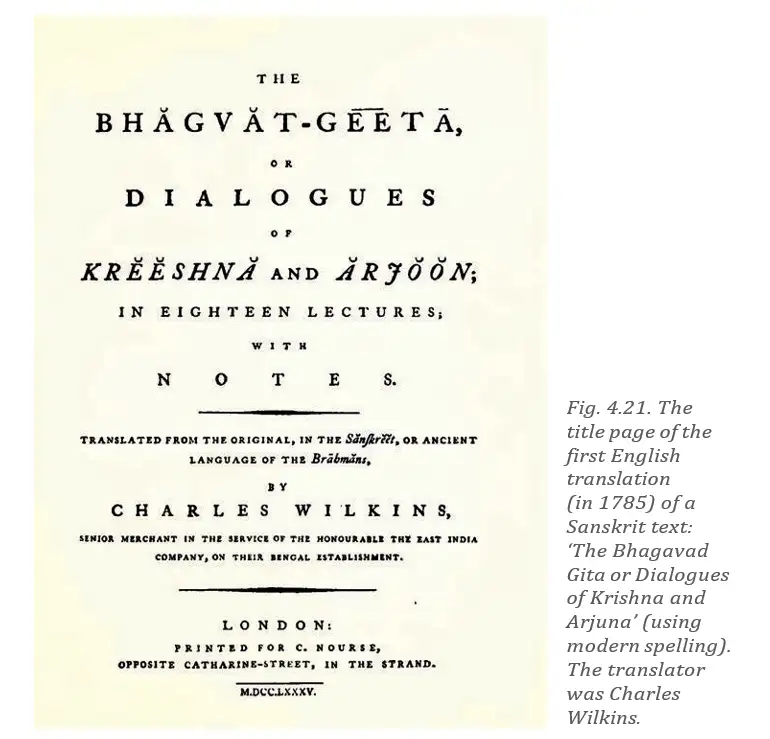
- Subjugation
- Bringing a people or territory under another power’s control.
- Annexation
- Taking a territory and incorporating it into a ruling state.
- Repatriation
- Returning cultural objects to their country or community of origin.
- Archaeology
- The study of the human past through material remains.
Why was Begum Hazrat Mahal’s counter-proclamation significant?
Describe two contrasting effects of colonial documentation and collecting on India’s heritage.
Quick recap
- British colonial rule was systematic conquest and exploitation, not a civilising mission.
- Rani Lakshmibai and Begum Hazrat Mahal led resistance during the 1857 uprising; Tantia Tope continued fighting until 1859.
- Queen Victoria’s November 1858 proclamation ended East India Company rule and promised religious non-interference and greater Indian participation.
- Colonial surveys, monument studies and restoration expanded knowledge, but racial classifications were unscientific.
- Theft of Indian cultural objects caused lasting heritage loss, while also exposing some Europeans to Indian art.
- European translations of Sanskrit works had both cultural and religious-political motivations.
Summary
European Expansion and British Dominance
European powers in India
- Attraction: The Portuguese, Dutch, French and British were drawn to India chiefly by its great wealth.
- Competition: These powers fought for dominance in the subcontinent; the British eventually gained the upper hand.
Economic and Administrative Impact
Consequences of British Rule
- Ruthless taxation → severe hardship for people and famines → millions of deaths.
- Deliberate deindustrialization → decline of India's once-thriving manufacturing sector.
- Colonial control → British administrative structures, legal systems and educational institutions imposed on Indian society.
Portuguese and French Policies
| Power | Policy and impact |
|---|---|
| Portuguese | Promoted religious conversion and cultural transformation in Goa, creating long-lasting social divisions. |
| French | Followed assimilation in Pondicherry, creating a small elite of culturally French Indians. |
Resistance and Cultural Influence
Uprisings and cultural exchange
- Resistance: Many uprisings challenged colonial rule; most were brutally repressed.
- Great Rebellion of 1857: It threatened British rule for a time.
- Cultural influence: During the 19th century, India's classical culture—especially through translated Sanskrit texts—reached the West and had a lasting influence.
Key Periods
- Late 18th century onwardUprisings against colonial rule took place across India.
- 1857The Great Rebellion threatened British rule for a time.
- 19th centuryTranslated Sanskrit texts helped Indian classical culture influence the West.
- Deindustrialization
- The deliberate weakening or destruction of India's manufacturing sector under colonial rule.
- Assimilation
- A policy encouraging people to adopt the colonizer's culture; French policy produced a small French-influenced elite in Pondicherry.
- Colonial control
- Control strengthened through imposed administration, legal systems and education.
Quick recap
- European powers sought India's wealth and competed for control; Britain emerged dominant.
- British taxation contributed to hardship, famines and millions of deaths.
- Deindustrialization devastated India's manufacturing sector.
- British administrative, legal and educational systems helped extend colonial control.
- Portuguese policies in Goa and French assimilation in Pondicherry had distinct social effects.
- Uprisings resisted colonial rule, while translated Sanskrit texts carried Indian classical culture to the West.