SOLUTIONS

2022 BOARD EXAM

CBSE Class 12 Humanities Geography Board Paper 2022 — Set 5 Solutions

2022

Geography

Class 12 Humanities

CBSE EXAMINATION PAPER-2022

GEOGRAPHY

(Solved)

Time allowed : 3 hours

Maximum Marks : 37

General Instructions :

Read the following instructions carefully and follow them :

  1. This question paper contains 13 questions. All questions are compulsory.
  2. This question paper is divided into 3 sections.
  3. Section A – questions number 1 to 2 are case based questions
  4. Section B – questions number 3 to 9 are short answer
  5. Section C – questions number 10 to 13 are long answer
  6. There is no overall choice given in the question paper. However, an internal choice has been provided in few questions.
  7. Use of calculator is NOT allowed.

Section A

Question 1.

Read the given passage carefully and answer the questions that follow :

Roads

Road transport is the most economical for short distances compared to railways. Freight transport by road is gaining importance because it offers door-to-door service. But unmetalled roads, though simple in construction, are not effective and serviceable for all seasons. During the rainy season these become unmotorable and even the metalled ones are seriously handicapped during heavy rains and floods. In such conditions, the high embankment of rail-tracks and the efficient maintenance of railway transport service, is an effective solution. But the rail kilometrage being small cannot serve the needs of vast and developing countries at a low cost. Roads, therefore, play a vital role in a nation's trade and commerce and for promoting tourism.

The quality of the roads varies greatly between developed and developing countries because road construction and maintenance require heavy expenditure. In developed countries good quality roads are universal and provide long-distance links in the form of motorways, autobahns (Germany) and inter-state highways for speedy movement. Lorries, of increasing size and power to carry heavy loads, are common. But unfortunately, the world's road system is not well developed.

The world's total motorable road length is only about 15 million km, of which North America accounts for 33 per cent. The highest road density and the highest number of vehicles are registered in this continent compared to Western Europe.

(1)

Which continent has the highest road density ?

[1 Mark]
Answer: North America has the highest road density according to the passage. It accounts for 33 per cent of the world's total motorable road length and has the highest number of vehicles compared to Western Europe. This shows North America has a well-developed road network with high road density.
Key Points: North America has highest road density - Accounts for 33 per cent of motorable roads - Highest number of vehicles compared to Western Europe

(2)

When do unmetalled roads become ineffective and unuseful ?

[1 Mark]
Answer: Unmetalled roads become ineffective and unuseful during the rainy season because they become unmotorable. The passage explains that although these roads are simple to construct, they are not serviceable for all seasons, especially in heavy rains or floods, unlike metalled roads which also get seriously handicapped. Thus, unmetalled roads are not suitable for use in the rainy season.
Key Points: Unmetalled roads simple to construct - Become unmotorable during rainy season - Not effective for all seasons

(3)

Why does freight transport by road gaining importance ?

[1 Mark]
Answer: Freight transport by road is gaining importance because it offers door-to-door service and is more economical for short distances compared to railways, as mentioned in the passage.
Key Points: freight transport by road offers door-to-door service - road transport is economical for short distances - road transport gaining importance
Question 2.

Locate and label the following features in the given outline political map of India
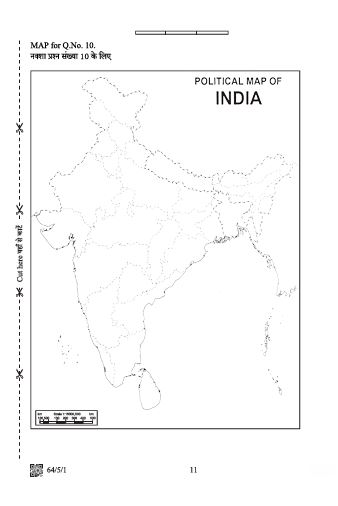
Diagram 1 – CBSE Class 12 Humanities Geography 2022 Set 5 Solutions

(1)

Bokaro ― Coal mines

[1 Mark]
Answer: Bokaro is an important coal mining centre located in Jharkhand. It is part of the Damodar Valley coal belt which has major coal fields like Jharia, Raniganj, Giridih, and Karanpura. Bokaro coal mines contribute significantly to India's coal production, mainly bituminous and non-coking coal, as mentioned in the case passage.
Key Points: Bokaro is in Jharkhand - Part of Damodar Valley coal belt - Important coal mining centre

(2)

Singhbhoom ― Copper mines

[1 Mark]
Answer: Singhbhoom in Jharkhand is known for its copper mines as mentioned in the case passage. It is part of the mineral-rich Himalayan belt where copper is found. On the political map of India, Singhbhoom should be located in the southern part of Jharkhand state and labeled as copper mines accordingly.
Key Points: Singhbhoom located in Jharkhand - Known for copper mines - Part of Himalayan mineral belt

(3)

Bailadila ― Iron-ore mines

[1 Mark]
Answer: Bailadila iron-ore mines are located in the southern part of Bastar district in Chhattisgarh. According to the case passage, these mines are part of the iron ore belt that extends through Durg, Dantewara and Bailadila regions. They are significant iron ore deposits contributing to the iron and steel industry in the North-Eastern Plateau Region of India.
Key Points: Bailadila is located in Chhattisgarh - It is part of the iron ore belt including Durg and Dantewara - Important iron ore mining region in India

(4)

Jamnagar ― Oil refinery

[1 Mark]
Answer: Jamnagar in Gujarat is known for its major oil refinery, one of the largest in India. According to the given passage, oil refineries are located in regions like Gujarat, where Jamnagar is situated. Students should mark Jamnagar on the western part of the map in Gujarat and label it as an oil refinery location.
Key Points: Jamnagar has a major oil refinery - It is located in Gujarat - Gujarat is a key oil producing state according to the passage

(5)

The northern most metropolitan city connected with Golden

Quadrilateral

[1 Mark]
Answer: The northernmost metropolitan city connected by the Golden Quadrilateral is New Delhi. The Golden Quadrilateral connects four major metro cities of India: New Delhi, Mumbai, Chennai and Kolkata. Among these, New Delhi is located in the northern part of India, making it the northernmost city of the four connected by this highway network as mentioned in the case passage.
Key Points: Northernmost city - New Delhi - Golden Quadrilateral connects four metro cities

(6)

The eastern terminal station of East-West corridor

[1 Mark]
Answer: The eastern terminal station of the East-West corridor is Silchar in Assam. This corridor connects the eastern and western parts of India and Silchar marks its eastern endpoint as per the map of India discussed in the passage.
Key Points: Eastern terminal station - East-West corridor - Silchar in Assam

Section B

Question 3.

"Indira Gandhi Canal irrigation has brought prominent transformation in the agricultural economy of the region.” Support this statement.

[3 Marks]
Answer: The Indira Gandhi Canal has significantly transformed the agricultural landscape of Rajasthan, particularly in the Thar Desert region. Initiated in 1958, this extensive canal system has enabled the irrigation of arid lands, which were previously unproductive. By providing a reliable water source, it has facilitated the cultivation of various crops, leading to increased agricultural productivity and improved food security. The promotion of irrigation has been prioritized in India's Five Year Plans, underscoring its critical role in enhancing the region's agricultural economy. However, while these advancements are notable, the project has also introduced environmental challenges such as waterlogging and soil salinity, necessitating careful management to sustain the long-term benefits of this irrigation system.
Key Points: Transformation of arid land to productive agriculture; Increased crop yields; Importance highlighted in Five Year Plans; Economic growth and food security; Environmental challenges like waterlogging and salinity
Question 4.

"Television (T.V.) has emerged as the most effective audio-visual medium in India." Explain the statement.

[3 Marks]
Answer: Answer: Television is considered the most effective audio-visual medium in India because it combines both sound and visuals to deliver information clearly and attractively. It helps in educating and informing the masses by showing real-life images, videos, and programs which are easy to understand. Television services started in India in 1959 in the National Capital and later expanded to many centres after 1972. It was separated from All India Radio in 1976, giving it a distinct identity. Unlike radio, television appeals to the audience through visuals which make messages more impactful and interesting. It is widely used to broadcast news, educational content, entertainment, and cultural programs, making it a powerful tool for communication across diverse populations in India. Thus, television plays a key role in mass communication and brings direct, instant access to information for people in both urban and rural areas.
Key Points: Combines audio and visuals - Easy to understand and attractive - Started in 1959 and expanded after 1972 - Separated from All India Radio in 1976 - Broadcasts news, education and entertainment - Reaches diverse populations across India - Powerful tool for mass communication
Question 5.

"Konkan railway’ is the important achievements of the Indian railways.’ Support the statement.

[3 Marks]
Answer: Konkan Railway is a significant achievement of Indian Railways because it connects the western coastal region of India, which was earlier difficult to access due to the rugged terrain and numerous rivers.
It passes through the states of Maharashtra, Goa, and Karnataka, greatly improving connectivity in these regions.
The construction involved building many tunnels and bridges, showcasing remarkable engineering skills.
The railway has boosted trade and tourism as it connects important ports like the Zuari estuary in Goa and New Mangalore Port in Karnataka.
This has led to economic development in the hinterland areas of these ports.
Konkan Railway operates throughout the year and provides a reliable mode of transport even during the monsoon season when roads are often unmotorable.
Thus, Konkan Railway has enhanced transport efficiency, regional development, and trade facilitation, making it an important achievement of Indian Railways.
Key Points: Connects western coastal states - Overcame difficult terrain with tunnels and bridges - Boosted trade and tourism - Linked important ports like Zuari and New Mangalore - Provides reliable year-round transport - Promoted regional economic development
Question 6.

Mention the important features of 'the Great Lakes - St. Lawrence Seaway’.

[2 Marks]
Answer: The Great Lakes - St. Lawrence Seaway is a vital commercial waterway in North America, connecting Lake Superior, Huron, Erie, and Ontario through the Soo and Welland Canals. This waterway allows large ocean-going vessels to navigate inland, facilitating the transport of essential goods like wheat and meat. Key ports such as Duluth and Buffalo are equipped with ocean port facilities, enhancing trade efficiency. Additionally, the deep canals (up to 3.5 m) were constructed to mitigate navigational challenges posed by rapids, making this route crucial for economic activities in Canada and the U.S.
Key Points: Connection of Great Lakes via Soo and Welland Canals-Commercial waterway for transport of goods-Large vessels can navigate to ports like Duluth and Buffalo-Deep canals allow for enhanced navigability-Transshipment required at rapids
Question 7.

How has 'internet' become the most effective and advanced of all the personal communication systems in India ? Explain.

[2 Marks]
Answer: The Internet has emerged as the most effective and advanced communication system in India due to its ability to connect millions of users seamlessly. It allows direct communication through email, which facilitates the quick exchange of information. Additionally, the Internet serves as a vast repository of knowledge, enabling users to access an immense range of data. Furthermore, it has transformed the landscape of e-commerce, allowing for secure online transactions. Compared to traditional methods, Internet communication is more cost-effective, making it accessible to a larger segment of the population. With its expanding reach and influence, the Internet continues to revolutionize personal communication in India, ultimately enhancing social and economic interactions.
Key Points: Direct contact through e-mail, vast repository of knowledge, cost-effective communication, support for e-commerce and transactions, transformative impact on personal communication in urban areas
Question 8.

Explain any two ways to conserve minerals in India.

[2 Marks]
Answer: To conserve minerals in India, one effective method is to promote recycling, especially through the use of scrap metals. This approach significantly reduces the need for mining new ores, as materials like copper, lead, and zinc can be reused, given their limited availability. Another strategy involves reducing the export of strategic and scarce minerals. By doing so, India can preserve its existing mineral reserves for longer periods, ensuring sustainable use of these finite resources and minimizing the pressure on local sources.
Key Points: Recycling of scrap metals; Reducing export of scarce minerals
Question 9.

Why should the non-conventional sources of energy be promoted ? Explain.

[2 Marks]
Answer: Non-conventional sources of energy, such as solar, wind, hydro, geothermal, and biomass, should be promoted for several reasons. Firstly, these sources are renewable and inexhaustible, which means they can provide sustained energy without depleting natural resources unlike fossil fuels. Secondly, they are environmentally friendly, significantly reducing greenhouse gas emissions and pollution, contributing to a healthier ecosystem. Thirdly, diversifying our energy sources enhances energy security and reduces dependence on fossil fuels, which are subject to price volatility. Finally, the initial investment in non-conventional energy technologies can lead to lower energy costs in the long run, making them economically viable choices. Promoting these energy sources is crucial for sustainable development and for the protection of resources for future generations.
Key Points: Renewable and inexhaustible; environmentally friendly reducing emissions; enhances energy security; reduces fossil fuel dependence; lower long-term costs; crucial for sustainable development.

Section C

Question 10. Why has the demand for holidays increased rapidly? Explain the attractions which promote tourism across the globe.
[5 Marks]
Answer: (a) Reasons for Rapid Increase in Demand for Holidays:
The demand for holidays has increased rapidly due to several reasons. People today have more disposable income and better transportation options, making travel easier and more affordable. Also, with hectic work schedules, people seek holidays to relax and rejuvenate. The growth of media and internet allows people to learn about new places, increasing their desire to explore.

(b) Attractions Promoting Tourism Across the Globe:
1. Climate: Many tourists from colder regions prefer warm, sunny places for beach holidays, such as Southern Europe and Mediterranean lands where temperatures are consistently higher, with long hours of sunshine and low rainfall.
2. Culture and Economy: Tourists are attracted to experience ethnic and local customs. Regions that offer affordable services and cultural experiences are very popular. Home-stay options like heritage homes in Goa, Madikere and Coorg attract tourists who want authentic local experiences.
3. Infrastructure and Services: Good accommodation, transport, entertainment, and shopping facilities also promote tourism. Tourism encourages local employment in hospitality and retail sectors, boosting the economy.

Overall, better income, easier travel, pleasant climates, rich cultural experiences, and improved facilities have greatly increased the demand for holidays worldwide.
Key Points: Increase in disposable income - Easy and affordable transportation - Desire to relax and explore new places - Climate attracting tourists from cold regions - Cultural and local experiences - Good infrastructure and services
Question 11.

"High technology is the latest generation of manufacturing activities." Examine the statement.

[5 Marks]
Answer: Answer:
High technology, or high-tech, represents the latest generation of manufacturing activities. It involves the intensive use of research and development (R and D) to produce advanced scientific and engineering products. This industry relies heavily on professional white-collar workers and sophisticated processes. For example, smelting, refining, and the development of new chemical and pharmaceutical products are part of high-tech industries.
Technology reflects the level of a society's cultural development and determines how humans interact with their environment. The important aspect is the tools and techniques used in creating products. Modern high-tech manufacturing uses mechanisation and advanced automation where machines can think and operate with minimal human intervention, such as automatic factories with computer control systems.
Technological innovation through R and D is crucial for quality control, reducing waste, improving efficiency, and minimizing pollution in manufacturing processes. Overall, high technology is not just the latest manufacturing method, but it also represents the evolution of human creativity, intelligence, and organization in production activities.
Key Points: High technology uses intensive research and development - Involves advanced scientific and engineering products - Uses mechanisation and automation with skilled workforce
Question 12. Explain the causes and consequences of air pollution.
[5 Marks]
Answer: Causes of Air Pollution:
Air pollution occurs due to the addition of harmful substances like dust, fumes, gases, smoke, and vapours into the atmosphere in large amounts and for a long time. The main causes include combustion of fossil fuels such as coal, petrol, and diesel, which releases toxic gases like oxides of sulphur (SO2, SO3), oxides of nitrogen, carbon monoxide, and hydrocarbons. Industrial processes, mining, solid waste disposal, and sewage disposal also add pollutants like lead, asbestos, and ammonia to the air.

Consequences of Air Pollution:
Air pollution leads to the formation of urban smog, a smoky fog over cities that is harmful to human health as it causes respiratory diseases. It also results in acid rain, which has a low pH and damages plants, aquatic life, buildings, and soil quality. Pollutants like carbon monoxide reduce oxygen carrying capacity in blood, affecting living beings. Overall, air pollution harms flora, fauna, human health, and property, disrupting the balance of the environment.
Key Points: Causes include combustion of fossil fuels - Industrial processes and waste disposal add pollutants - Consequences include urban smog and acid rain harming health and environment
Question 13. Explain the causes and consequences of water pollution.
[5 Marks]
Answer: Causes of Water Pollution:
Water pollution mainly occurs due to the indiscriminate use of water from increasing population and industrial activities. Surface water from rivers, lakes, and canals contains suspended particles and various organic and inorganic substances naturally, but pollution happens when the concentration of harmful substances increases. These pollutants include odour, dissolved and suspended solids, ammonia, urea, nitrates, nitrites, chloride, fluoride, carbonates, oil, grease, insecticides, pesticides, tannin, coliform bacteria, sulphates, sulphides, heavy metals like lead, arsenic, mercury, manganese, and radioactive substances.

Consequences of Water Pollution:
When these toxic substances enter water bodies, they dissolve or stay suspended and degrade water quality. Polluted water affects aquatic life by disrupting ecosystems and contaminating groundwater through seepage. Water pollution is a major cause of water-borne diseases such as diarrhoea, intestinal worms, and hepatitis. According to the World Health Organization, around one-fourth of communicable diseases in India are due to water pollution. Many rivers like the Ganga are heavily polluted, which further causes health issues and environmental damage.

Thus, water pollution caused by increased harmful substances leads to serious health and ecological consequences, making it important to control pollution sources and protect water quality.
Key Points: Causes include population growth and industrial expansion - Pollutants include chemical and biological substances - Consequences include water-borne diseases and damage to aquatic ecosystems

Paper Details

CBSE Board Exam 2022

Class

Class 12 Humanities

Subject

Geography

Year

2022

Set

Set 5

Other Years — Geography

2022 Set-1

2022 Set-2

2022 Set-3

2022 Set-4

2022 Set-5

2023 Set-1

2023 Set-2

2023 Set-3

2023 Set-4

2023 Set-5

2024 Set-1

2024 Set-2

2024 Set-3

2024 Set-4

2024 Set-5

2025 Set-1

2025 Set-2

2025 Set-3

2025 Set-4

2025 Set-5

2025 Set-6

CBSE Class 12 Geography 2022 Set 5 Solutions | Prepzy