Class 9 . Social Science . Understanding Society India and Beyond Part I . Understanding Social Science
Chapter 1: Understanding Social Science
Ch 1
Social Science
Class 9
Social Science in Everyday Life
Meaning and Scope of Social Science
- Meaning: Social Science is the systematic study of human society and its institutions, cultures, and interactions.
- Scope: It explains how people live together and how history, environment, government, and economic activity shape society.
Social Science in Everyday Life
- Everyday connections: Daily life depends on cooperation among people, public systems, economic activity, and the natural environment.
- Purpose: Social Science helps explain how these connected systems influence people’s lives and change over time.
Questions Social Science Explores
How Society Is Shaped
- History, geography, institutions, resources and human choices interact.
- These interactions shape how people live and how regions develop.
- Social scientists examine the patterns using observation, evidence and logical reasoning.
Society Through Time and Traditions
Development of Human Communities
- Early communities depended directly on nature for survival.
- People learned to grow crops, domesticate animals, build settlements and make tools.
- People exchanged goods and organised systems of governance.
- Villages developed into towns, and towns grew into cities.
- New ideas, inventions and cultural exchanges transformed ways of life.
Indian Traditions of Inquiry
- Approach to knowledge: Early Indian thinkers valued discussion, questioning, observation, reflection and logical reasoning.
- Pañchamahābhūtas: This idea describes the natural world as interconnected and human life as embedded within it.
- Social relevance: The environment influences settlement patterns, occupations, architecture, food habits and health practices.
- Vasudhaiva kutumbakam: Meaning “the world is one family,” this idea expresses the interdependence of societies across regions and cultures.
| Element | Traditional name |
|---|---|
| Earth | Prithvi |
| Water | Āpah |
| Fire | Agni |
| Air | Vāyu |
| Space | Ākāśa |
Early Thinking on Governance
- Arthaśāstra: Attributed to Kauṭilya, this work examined administration, economic management, taxation and rulers’ duties toward the people.
- Public responsibility: It connected political authority with public welfare and ethical responsibility.
- Significance: Systematic thinking about governance and the economy existed before modern academic disciplines developed.
A Long Tradition of Studying Society
- Over thousands of yearsHuman communities changed from direct dependence on nature to settled life, agriculture, exchange and organised governance.
- About 2,300 years agoThe Arthaśāstra, attributed to Kauṭilya, discussed administration, economic management, taxation and rulers’ duties.
How Social Scientists Study Society
- Gather evidence: Observe people’s lives, conduct interviews and surveys, examine documents, and compare different times and places.
- Build explanations: Use information from multiple sources to support explanations with evidence.
- Study change: Explore how societies, institutions and relationships between people and the environment develop over time.
- Connect time periods: Explain how the past shapes the present and how current actions may influence the future.
- Social Science
- The systematic study of human society and its connections.
- Pañchamahābhūtas
- The five great elements—earth, water, fire, air and space—used to express an interconnected view of nature.
- Vasudhaiva kutumbakam
- “The world is one family”; an idea expressing the interdependence of human societies.
- Arthaśāstra
- A work attributed to Kauṭilya that discusses governance and economic management.
What is Social Science, and what does it help us understand?
How do social scientists develop explanations about society?
Quick recap
- Social Science systematically studies society and the connections shaping human life.
- Everyday needs depend on economic activity, public systems, social cooperation and the environment.
- History, geography, institutions, resources and human choices help shape social patterns.
- Communities have changed over time through agriculture, settlement, exchange, governance and new ideas.
- Pañchamahābhūtas and vasudhaiva kutumbakam express ideas of interconnectedness.
- Social scientists use evidence and reasoning to explain continuity, change and society’s future.
Social Science as a Study of Discipline
Social Science: A Group of Disciplines
- Related disciplines: Social Science draws on several fields, each examining a different aspect of human life.
- Core subjects: Geography, History, Political Science, and Economics together provide a comprehensive understanding of society.
- Broader fields: Sociology, Philosophy, Anthropology, and Psychology also contribute to the study of society and human behaviour.
Geography
Geography in Practice
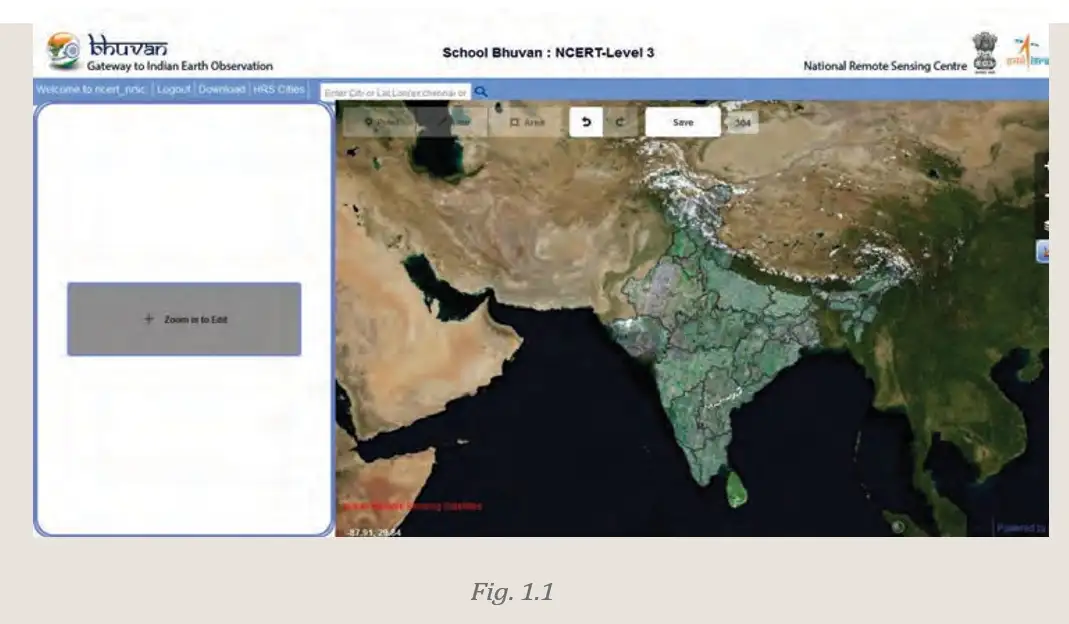
- Example: India’s long coastline helped facilitate contact with Africa, Europe and Southeast Asia.
- Connection: This example links physical geography (the coastline) with human interaction and historical connections.
History
Empirical evidence — Information collected through actual observation or experimentation.
Historical Sources
Genealogical records — Sources that trace family ancestry and relationships across generations, often recording births, marriages and deaths.
Epigraphic source — A historical source made up of writing or records inscribed on durable materials such as stone, metal plates or rock.
Numismatic source — A historical source comprising coins, currency or medals, studied through their metal content, inscriptions and symbols.




Why does Social Science need multiple disciplines?
Distinguish epigraphic and numismatic sources.
Quick recap
- Social Science is a group of connected disciplines that study different aspects of society.
- Geography connects locations, environments and human life through spatial and temporal perspectives.
- History studies the past using traditions, sources and increasingly empirical methods.
- Literary, archaeological, epigraphic and numismatic sources each provide different kinds of historical evidence.
- Inscriptions and coins can reveal information about rulers, society, chronology, trade and culture.
Political Science
Political Science and Governance
- Political Science: Studies governance, constitutions, governments, institutions, and how power is distributed and exercised.
- Public responsibility: It examines how decisions and policies are made and how rulers and institutions serve people’s welfare.
- Indian traditions: Ideas of dharma, artha, and rājadharma linked political authority with moral duty, economic well-being, and responsible rule.
- Arthaśāstra: Kauṭilya’s work discusses administration, taxation, the army, and the duties of rulers.
- Democracy: Panchayati Raj promotes local self-governance and gives citizens a voice in village development.
The Future of Social Science
Why Social Science Matters for the Future
- Changing societies: Technology, urbanisation, migration, environmental concerns, and global connections are reshaping how people live.
- Future challenges: Social Science helps societies address climate change, sustainable development, social harmony, and fair use of resources.
- Responsible citizenship: It prepares people to understand change, use technology responsibly, and participate thoughtfully in shaping society.
- Unity and tradition: Social Science can strengthen national unity while keeping people connected to cultural traditions.
Social Science — ALL CHAPTERS
1
The French Revolution
2
Socialism In Europe And The Russian Revolution
3
Nazism And The Rise Of Hitler
4
Forest Society And Colonialism
5
Pastoralists In The Modern World
1
Understanding Social Science
2
Shaping of the Earth’s Surface
3
Atmosphere and Climate
4
Early Humans and Beginning of Civilisation
5
State and Society up to 1000 CE
6
Democracy
7
Elections
8
Building Blocks in Economics: The Problem of Choice
9
The Price Puzzle: What Drives the Market