Class 8 . Science . Curiosity . Exploring Forces
Chapter 5: Exploring Forces
Ch 5
Science
Class 8
Introduction

Cycling Situations That Raise Questions
What the cyclists experience
- Against the wind: Ragini feels the wind pushing against her; Sonali says they must pedal harder to move faster.
- Road surface: The cyclists find pedalling harder on rough parts of the road than on smooth parts.
- Steering: They turn the bicycle handles to change direction while passing a herd of sheep.
- Downhill: Their bicycles gain great speed while coming down the slope, even though they are not pedalling.
Questions to Explore
- Uphill cycling: Why is it harder to pedal uphill than on flat ground?
- Wet surfaces: Why is it easier to slip on a wet surface?
- Swing: Why might a person feel light or as if floating just after a swing reaches its highest point and begins to descend?
- Downhill cycling: What makes the bicycles move downhill quickly without pedalling?
Quick recap
- Wind: The cyclists ride against it and pedal harder to move faster.
- Road: Pedalling is harder on rough sections than on smooth sections.
- Steering: Turning the handles changes the bicycle’s direction.
- Downhill: The bicycles move quickly without pedalling.
- Open questions: The uphill, wet-surface, swing and downhill situations invite further investigation.
What Is a Force
Force: A Push or Pull
Force — A force is a push or pull on an object resulting from its interaction with another object.
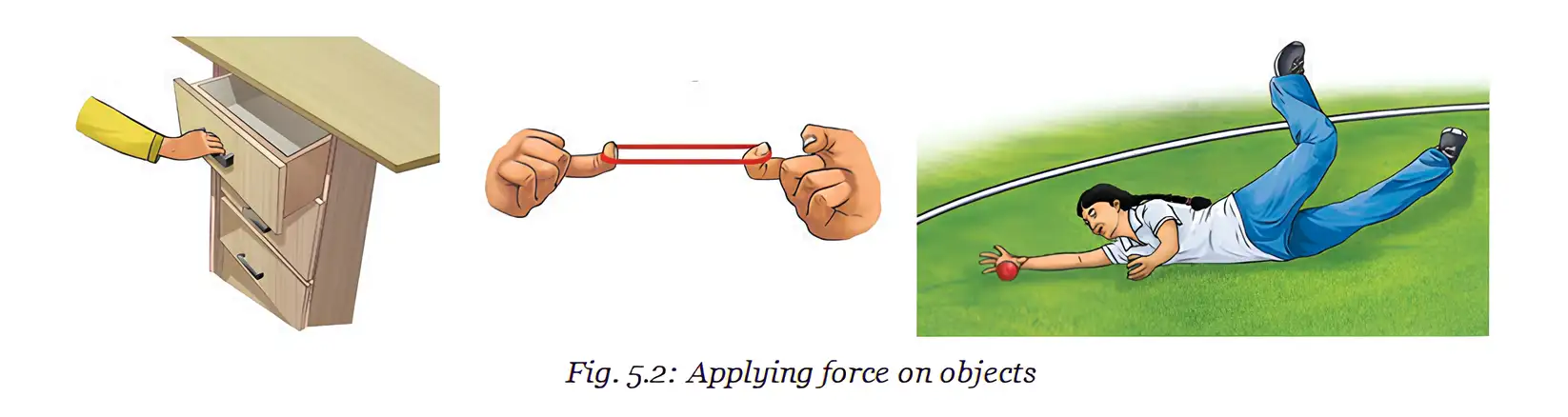
- Examples: Pushing a box, pulling a drawer, lifting an object and carrying it involve applying force.
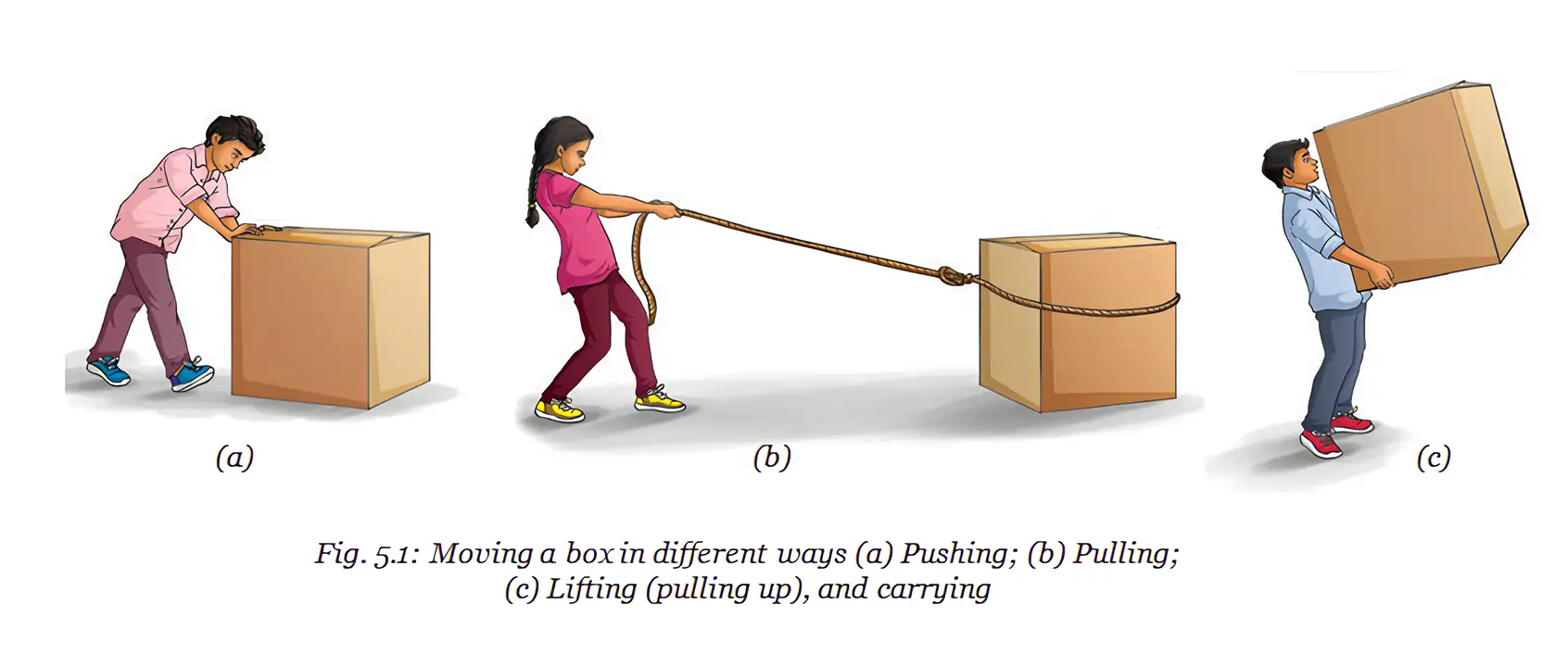
Effects of Force
- Start motion: A force can make an object at rest move.
- Change speed: A force can increase or decrease the speed of a moving object, or stop it.
- Change direction: A force can alter the direction in which an object moves.
- Change shape: A force can change an object's shape, such as when an inflated balloon is pressed.
- Combined effects: A force may cause one or more of these effects.
- Force is needed: A change in speed, direction or shape does not occur without a force acting on the object.
| Action | Push or pull | Effect |
|---|---|---|
| Holding a moving bicycle from behind | Pull | Stops it or decreases its speed |
| Hitting a moving ball with a bat | Push | Changes its direction |
| Pressing an inflated balloon | Push | Changes its shape |
An object at rest does not necessarily have no forces acting on it; the forces acting on it may balance one another.
Force as an Interaction
- At least two objects: A force comes into play when two or more objects interact; for example, a hand pushes a table.
- Mutual forces: Each interacting object experiences a force from the other.
- Interaction ends: When the interaction stops, the forces between the objects cease.
- SI unit: The SI unit of force is the newton, symbol .
What effects can a force have on an object?
Why does an object at rest not always mean that no force acts on it?
Quick recap
- Force is a push or pull resulting from interaction with another object.
- A force can start motion, change speed or direction, or change shape.
- A change in speed, direction or shape does not occur without force acting.
- At least two objects interact for a force to arise, and each experiences a force from the other.
- The SI unit of force is the newton ().
- An object at rest may have balancing forces acting on it.
What Are the Different Types of Forces
Contact Forces
Contact force — A force that acts only when the objects involved are in physical contact.
Key points
- Contact: It may be direct, such as pushing with a hand, or indirect, such as pushing with a stick or pulling with a rope.
- Examples in this lecture: Muscular force and friction are contact forces.
Muscular Force
Muscular force — The force produced by the action of muscles as they contract and elongate.
Examples and uses
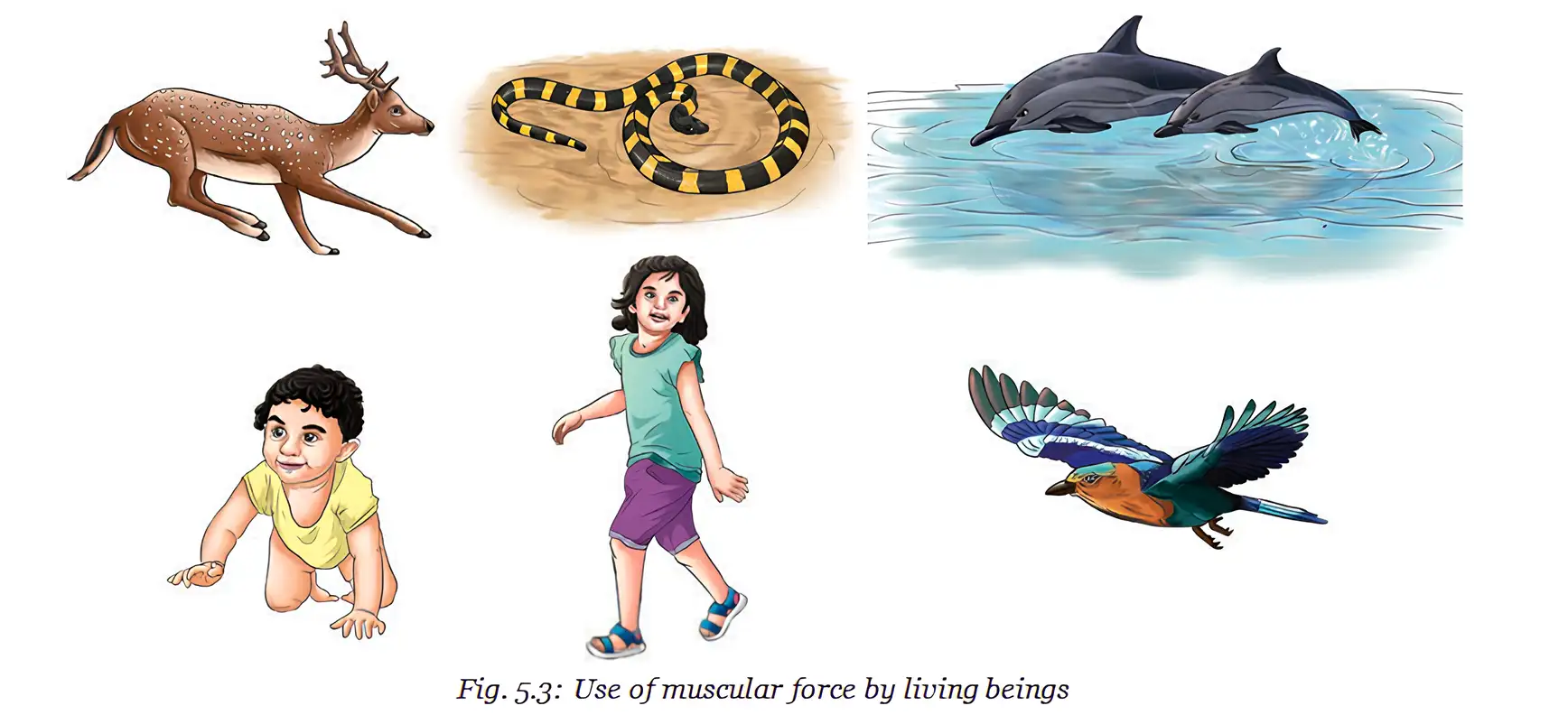
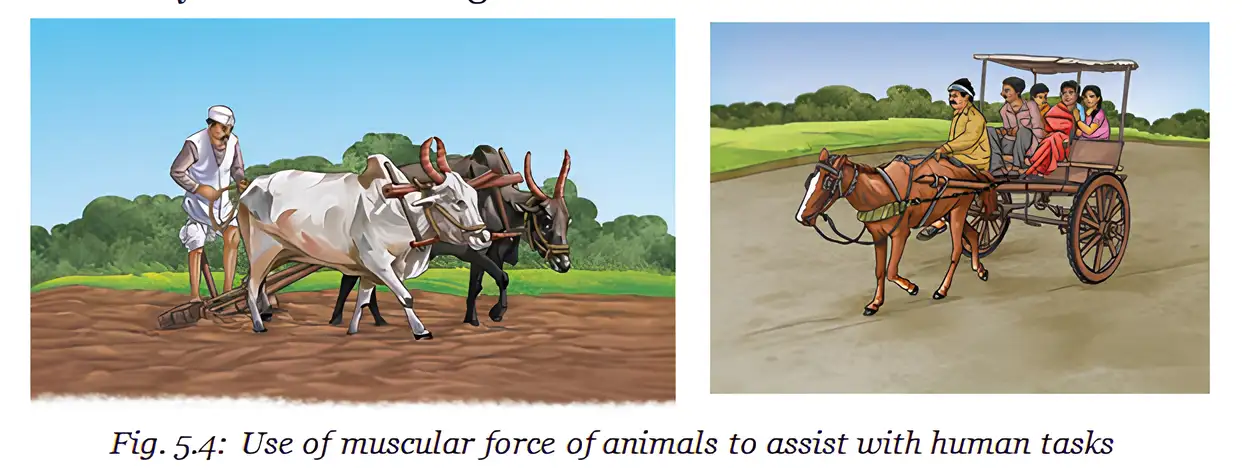
- Body movements: Walking, running, lifting, pushing, jumping and stretching use muscular force.
- Living beings: Animals, birds, fish and insects use it for movement and survival.
- Inside the body: Muscles help chew and move food through the alimentary canal; heart-muscle contractions circulate blood.
Friction
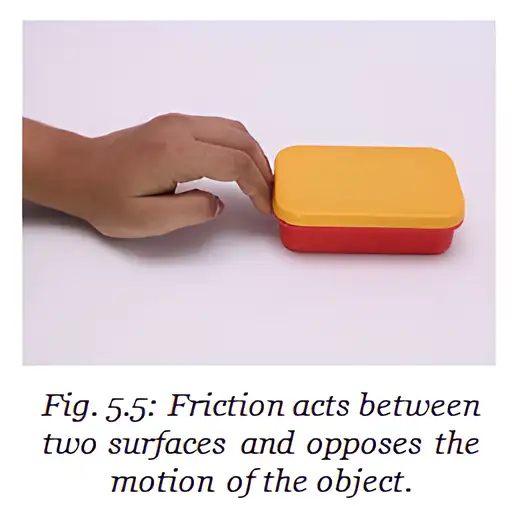
Force of friction — A contact force that acts when an object moves, or tries to move, over another surface.
How friction acts
- Direction: Friction acts opposite to the direction of motion or attempted motion.
- Effect: It slows moving objects and can eventually bring them to rest; a rolling ball or an unpedalled bicycle slows down because of friction.
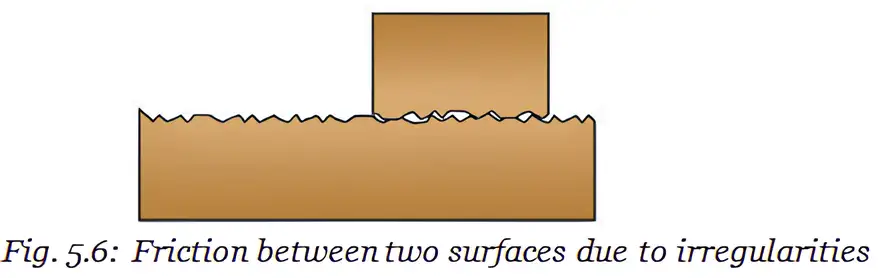
- Cause: Minute irregularities on surfaces in contact catch or lock against one another, opposing movement. Even surfaces that look smooth have irregularities.
Friction and surface type
- Dependence: Friction depends on the nature of the surfaces in contact.
- Roughness: Friction is greater on rough surfaces, so an object generally stops after travelling a shorter distance than on a smoother surface.
Friction in Fluids
Air and water resistance
- Fluids: Air, water and other liquids exert frictional force on objects moving through them.
- Design: Aeroplanes, ships, boats and high-speed trains are given specific shapes to reduce friction from the surrounding air or water.
Why does a moving object slow down on a surface?
How do surface irregularities cause friction?
Quick recap
- Contact forces act only when objects are physically touching.
- Muscular force is produced by contracting and elongating muscles.
- Friction acts when objects move or try to move over a surface.
- Friction opposes motion and can bring moving objects to rest.
- Friction arises from surface irregularities and is greater on rough surfaces.
- Air and liquids also exert friction; shaped vehicles reduce this resistance.
Non-contact forces
Non-contact Forces
Non-contact force — A force that acts between objects without them touching is called a non-contact force.
Examples
- Magnetic force: Exerted by a magnet on another magnet or a magnetic material.
- Electrostatic force: Exerted by a charged body on another charged or uncharged body.
Magnetic Force
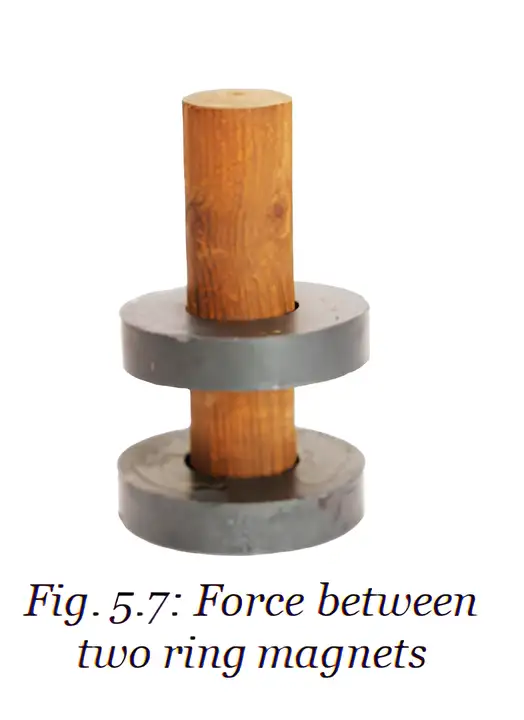
Magnetic force — The force exerted by a magnet on another magnet or a magnetic material is called magnetic force.
Key points
- Acts at a distance: A magnet can exert force without touching the other object.
- Like poles repel: North–North and South–South poles push apart.
- Unlike poles attract: North–South poles pull together.
- Electromagnets: They behave like magnets and can exert magnetic force.
| Pole combination | Effect |
|---|---|
| Like poles: North–North or South–South | Repulsion |
| Unlike poles: North–South | Attraction |
Electrostatic Force
Electrostatic force — The force exerted by a charged body on another charged or uncharged body is called electrostatic force.
Static charges
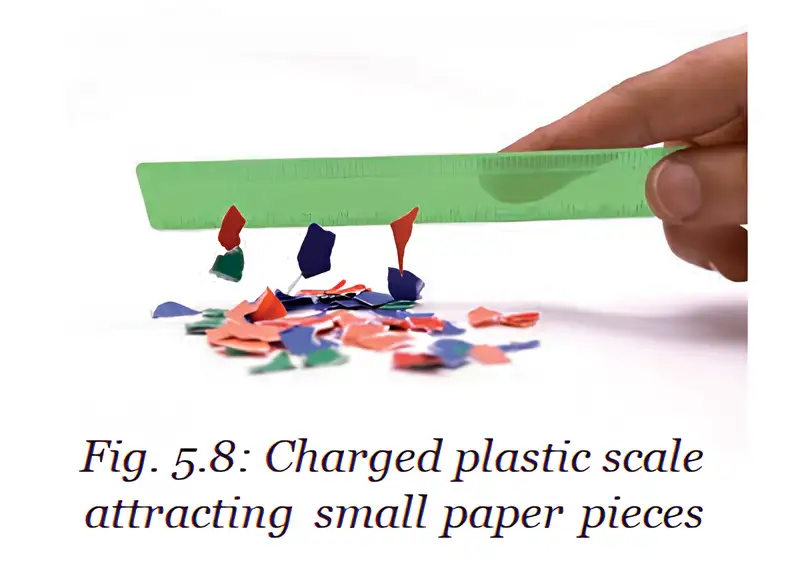
- Formation: Rubbing certain materials together causes electrical charges to build up on their surfaces.
- Static charge: These charges do not move by themselves; an object with them is called a charged object.
- Attraction: A charged object can attract certain uncharged materials, such as small pieces of paper, without contact.
- Non-contact action: Electrostatic force acts even when the objects are not touching.
Kinds of static charge
- Two kinds: Static charges are called positive and negative.
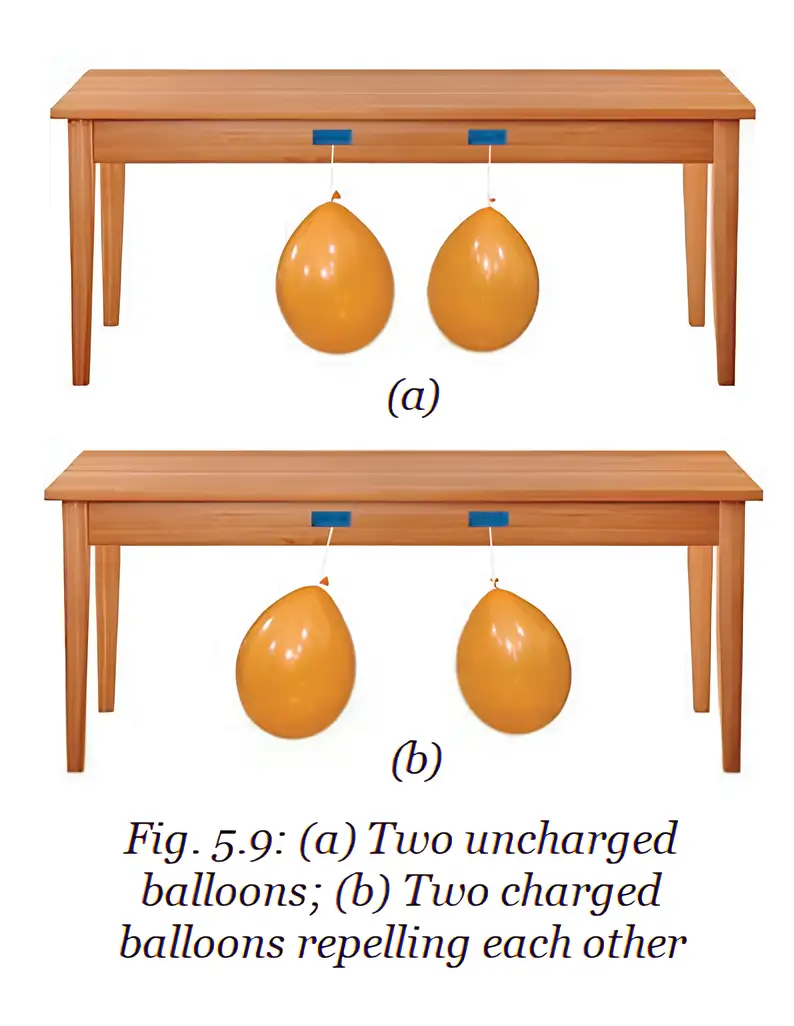
- Like charges repel: Two similarly charged objects push apart.
- Unlike charges attract: The rubbing object and rubbed object acquire opposite kinds of charge, so they attract.
| Objects | Effect |
|---|---|
| Two similarly charged balloons | Repel |
| A charged balloon and the woollen cloth used to rub it | Attract |
| A charged object and certain uncharged objects, such as paper | Attract |
Moving Charges and Electric Current
Electric current — Moving charges in an electrical circuit constitute an electric current.
Effects of electric current
- Light: Current can make a lamp glow.
- Other effects: Current can produce heating and magnetic effects.
Do not confuse static charges with electric current: static charges do not move by themselves, while current consists of moving charges.
What is magnetic force? Give an example of its action without contact.
State the rules for the interaction of static charges.
Quick recap
- Non-contact forces act without objects touching.
- Magnetic force acts between magnets or between a magnet and magnetic material.
- Like magnetic poles repel; unlike magnetic poles attract.
- Rubbing certain materials causes static charges to build up on their surfaces.
- Like static charges repel; unlike static charges attract.
- Moving charges form electric current, which can produce light, heating and magnetic effects.
Gravitational Force Part-1
Gravitational Force
Motion under gravity
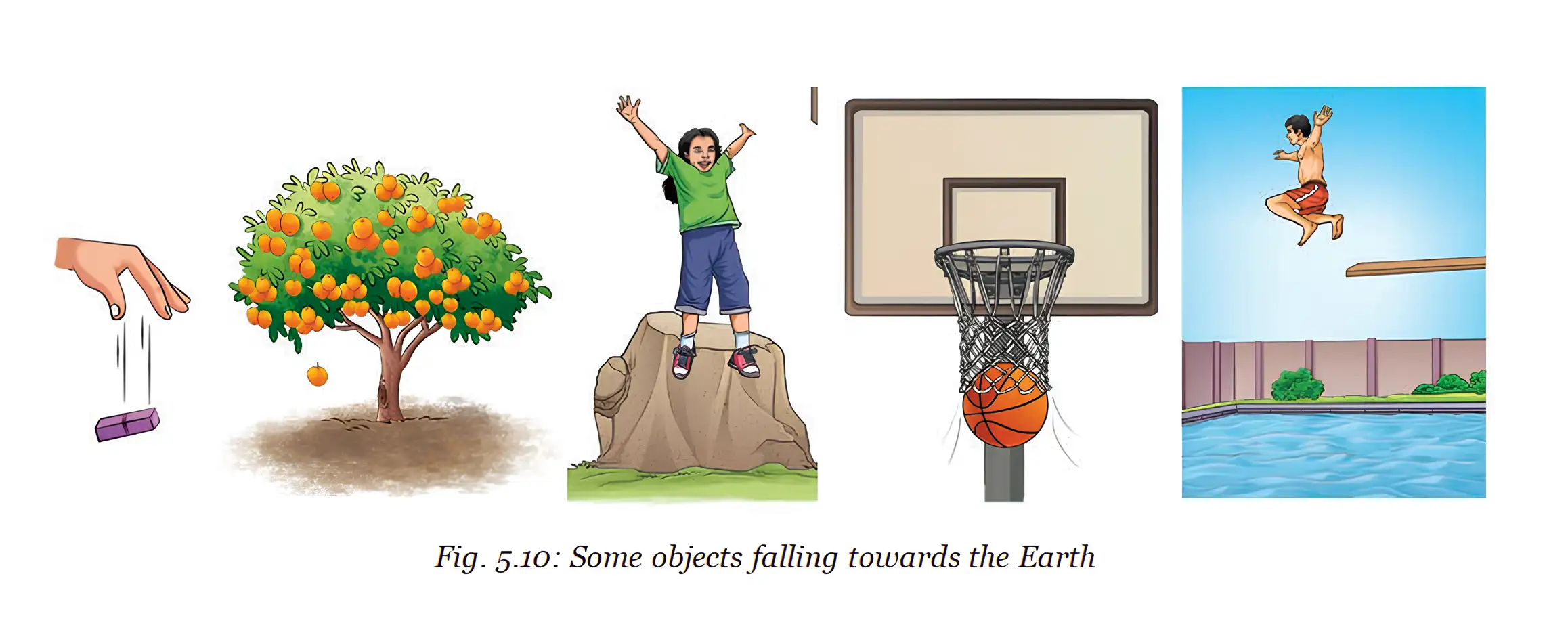
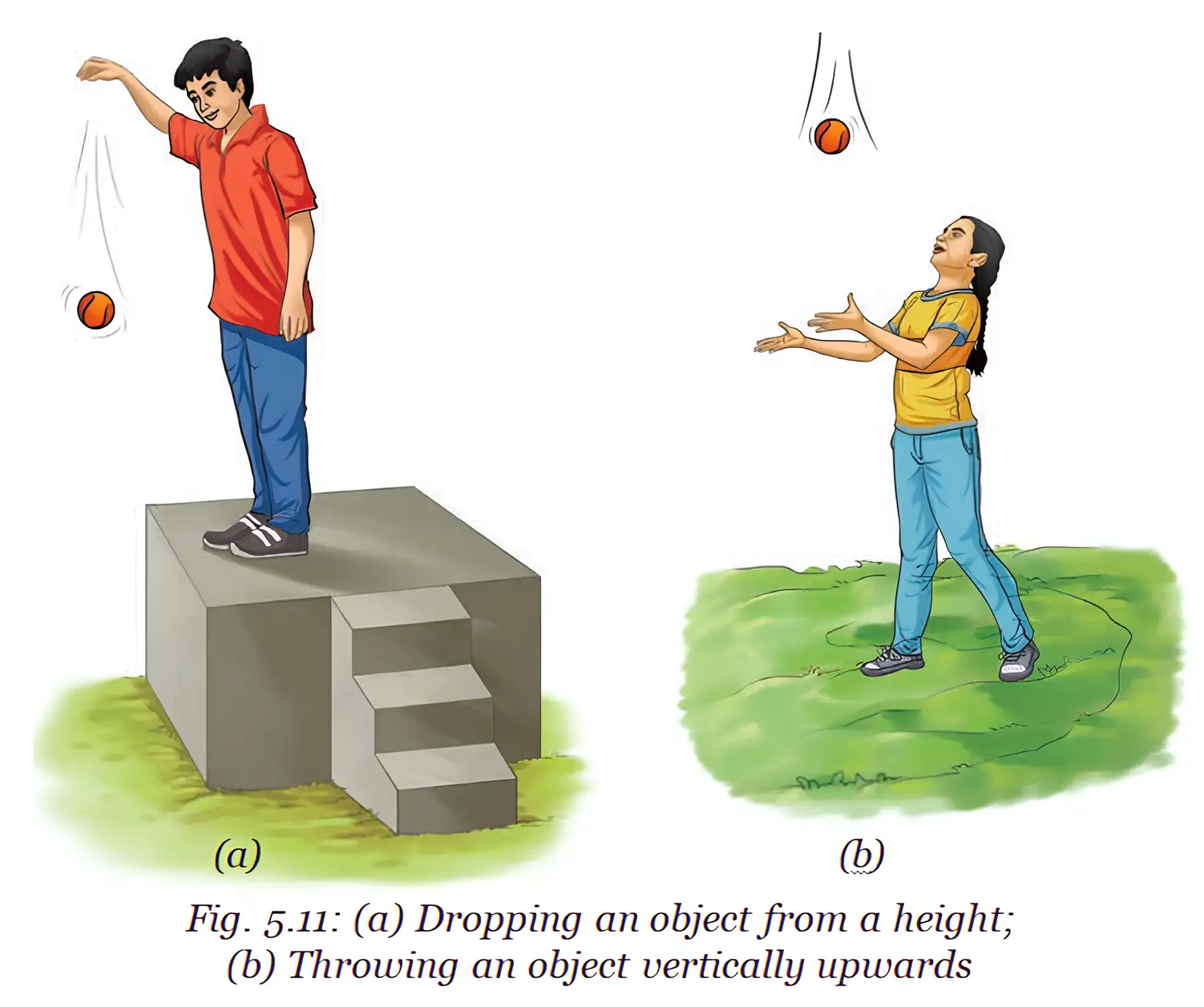
- Dropped object: Falls vertically downwards towards the ground.
- Thrown upwards: Moves straight up while slowing down, stops momentarily at the top, then moves straight down and speeds up.
- Vertical motion: Motion in a vertical direction under the influence of gravity.
Weight and Its Measurement
Spring Balance
Why is gravitational force called a non-contact force?
How does an object thrown vertically upwards move under gravity?
Quick recap
- Gravity is the Earth's attractive, non-contact force on objects.
- An object thrown upwards slows, pauses at its highest point, and falls back down.
- Weight is the force with which Earth pulls an object; its SI unit is the newton (N).
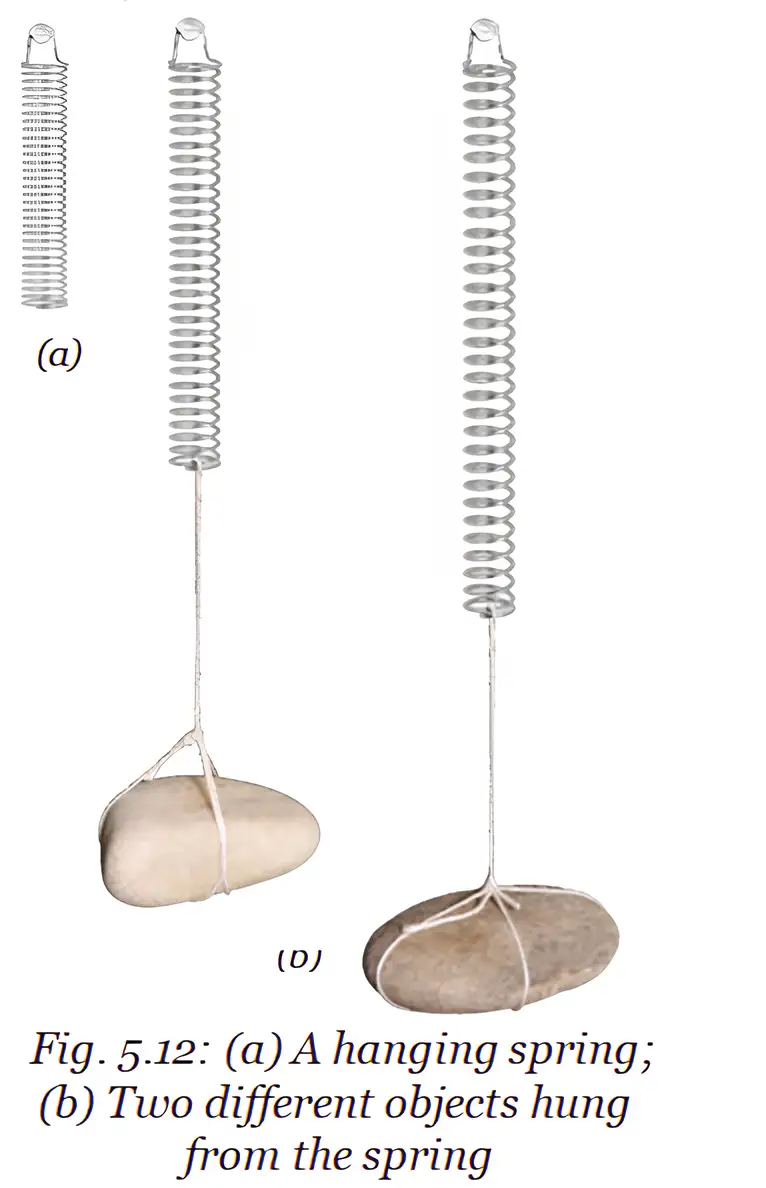
- Different objects can have different weights, shown by different spring stretches.
- A spring balance measures weight by the stretch of its spring.
- A spring balance may show mass in grams using markings based on Earth's gravity.
Gravitational Force Part-2
Reading a Spring Balance
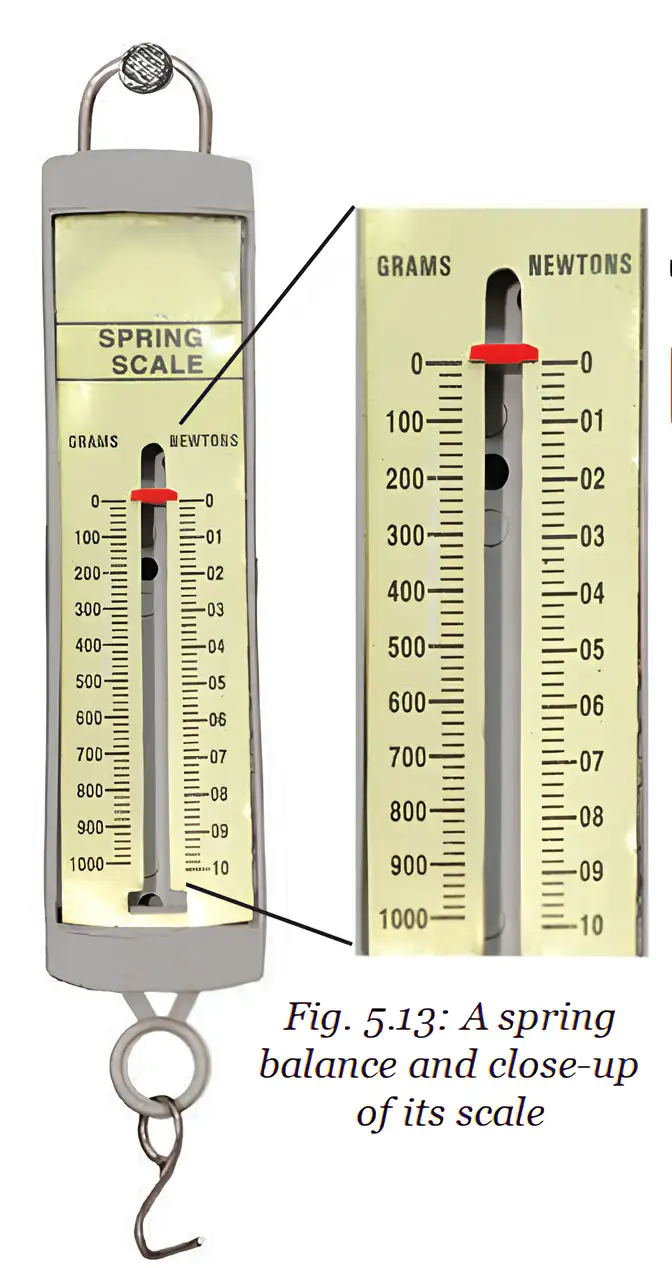
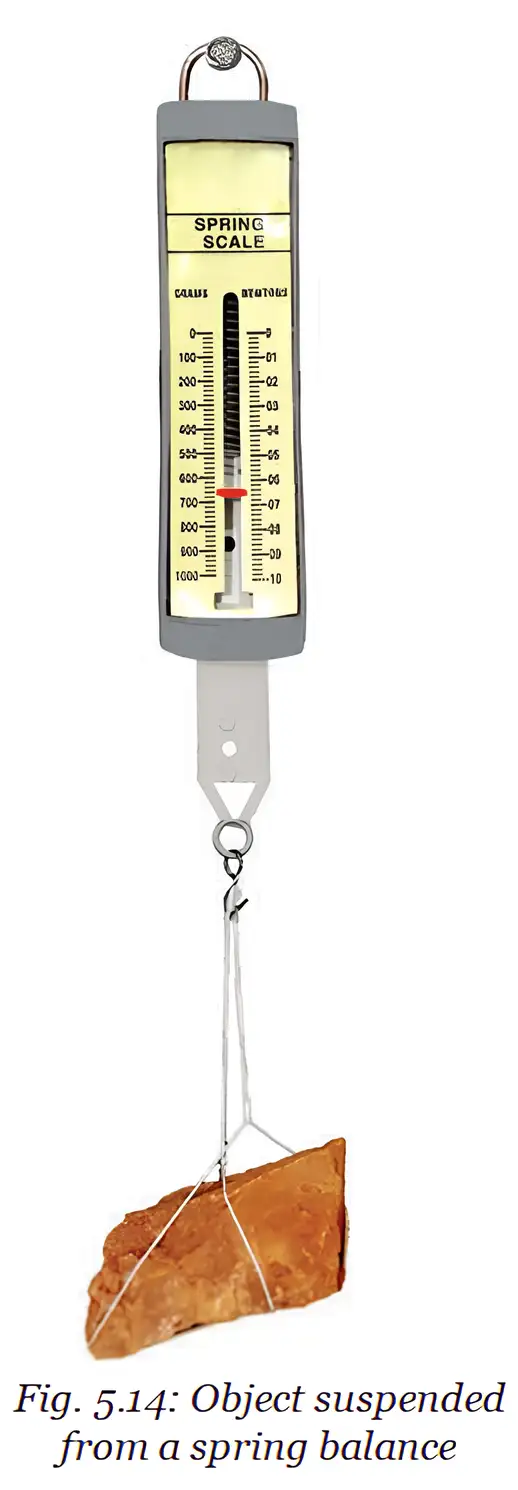
Measuring Weight
Mass and Weight
| Point | Mass | Weight |
|---|---|---|
| Meaning | Amount of matter in an object | Gravitational force with which a planet pulls an object |
| Units | Grams () or kilograms () | Newtons () |
| Variation | Remains the same from place to place | Can vary slightly on Earth and greatly between planets |
Finding Mass by Weighing
- Indirect measurement: Mass can be estimated by measuring an object’s weight with a spring balance, or by comparing it with a known mass using a beam balance.
- Practical use: An object’s weight is almost the same everywhere on Earth, so weighing is generally acceptable for finding its mass.
| Planet | Mass | Weight |
|---|---|---|
| Earth | ||
| Moon | ||
| Mars | ||
| Venus | ||
| Jupiter |
In everyday speech, people may say “the weight is .” Scientifically, kilograms measure mass; weight is a force measured in newtons.
Quick recap
- Spring balance: Measures weight, with a maximum reading and smallest division that depend on its scale.
- Example scale: A – balance with five subdivisions per mark reads down to .
- Safe measurement: Do not exceed the balance’s maximum capacity; hang the object from its hook and read the scale.
- Mass: Amount of matter; measured in grams or kilograms and unchanged from place to place.
- Weight: Gravitational force; measured in newtons and varies with gravitational force.
- Correct terms: Use kilograms for mass and newtons for weight, even though everyday speech may call mass “weight.”
Floating and Sinking
Buoyant Force (Upthrust)
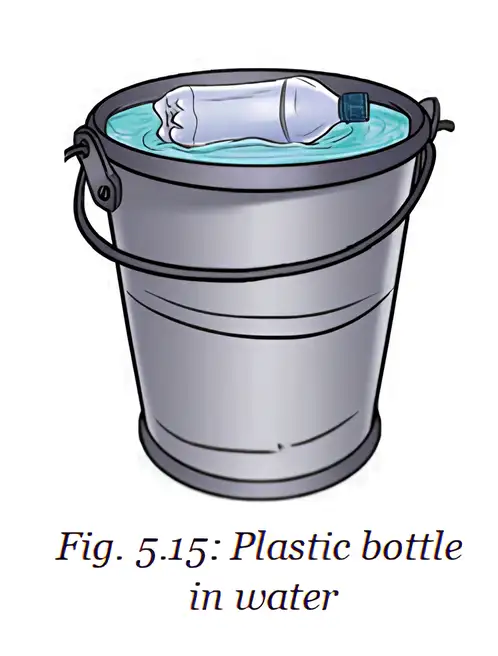
Why Objects Float or Sink
| Condition | Result |
|---|---|
| Weight is greater than buoyant force | The object sinks. |
| Weight equals buoyant force | The object floats. |
Archimedes’ Principle
The buoyant force equals the weight of the displaced liquid.
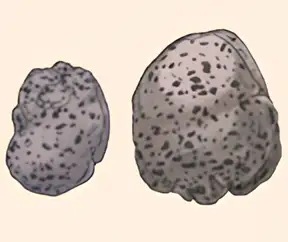
Pumice: A Rock That Floats
- Formation: Pumice forms when lava containing gas and water vapour cools quickly during volcanic eruptions.
- Why it floats: Cooling traps tiny gas bubbles, creating air pockets that make pumice less dense than water.
State Archimedes’ Principle.
Why does pumice float on water?
Quick recap
- Liquids exert an upward buoyant force on immersed objects.
- An object sinks when its weight is greater than the buoyant force.
- An object floats when its weight equals the buoyant force.
- By Archimedes’ Principle, buoyant force equals the weight of liquid displaced.
- Pumice floats because trapped air pockets make it less dense than water.
Snapshots
Force and Its Types
Force
- SI unit: The unit of force is the newton, symbol .
- Action: Forces can act through direct contact or from a distance.
| Type | How it acts | Examples |
|---|---|---|
| Contact force | Acts when objects touch | Muscular force; frictional force |
| Non-contact force | Acts without objects touching | Magnetic force; gravitational force; electrostatic force |
Effects of Force
- Motion: A force can change an object's speed, direction of motion, or both.
- Shape: A force can also change an object's shape.
Frictional Force
- Friction: A contact force that opposes an object’s motion, or its attempt to move, over a surface.
- Surfaces: Friction depends on the nature of the surfaces in contact and is greater on rough surfaces.
Magnetic and Electrostatic Forces
Electrostatic force — The force exerted by a charged body on another charged or uncharged body.
Gravitational Force and Weight
Do not treat mass and weight as the same: mass stays constant, while weight can change from place to place.
Upthrust or Buoyant Force
- Buoyant force: A liquid pushes an immersed object upwards; this force is also called upthrust.
- Floating and sinking: An object sinks if its weight is greater than the buoyant force; it floats when the forces are equal.
- Archimedes’ Principle: The upward force on an immersed object equals the weight of the liquid it displaces.
- Example: Pumice floats because its many air pockets make it less dense than water.
Quick recap
- A force is a push or pull caused by interaction between objects; its SI unit is the newton ().
- Contact forces include muscular force and friction; non-contact forces include magnetic, gravitational and electrostatic forces.
- Force can change an object's speed, direction of motion or shape.
- Friction opposes motion or attempted motion between surfaces.
- Gravity always attracts; an object's weight is Earth's pull on it, while mass remains unchanged from place to place.
- A liquid exerts an upward force called upthrust or buoyant force on an object placed in it.
Science — ALL CHAPTERS
1
Exploring the Investigative World of Science
2
The Invisible Living World: Beyond Our Naked Eye
3
Health: The Ultimate Treasure
4
Electricity: Magnetic and Heating Effects
5
Exploring Forces
6
Pressure, Winds, Storms, and Cyclones
7
Particulate Nature of Matter
8
Nature of Matter: Elements, Compounds, and Mixtures
9
The Amazing World of Solutes, Solvents, and Solutions
10
Light: Mirrors and Lenses
11
Keeping Time with the Skies
12
How Nature Works in Harmony
13
Our Home: Earth, a Unique Life Sustaining Planet