Class 8 . Science . Curiosity . The Invisible Living World Beyond Our Naked Eye
Chapter 2: The Invisible Living World: Beyond Our Naked Eye
Ch 2
Science
Class 8
Introduction
Seeing the Invisible World
- Unaided eye: It can see only objects above a certain size, leaving many tiny things invisible.
- Magnification: Lenses make small objects appear larger, and microscopes reveal the hidden world of tiny life.
Organisms and Their Variety
- Organisms: All living beings, including plants and animals, are called organisms.
- Variety: Organisms differ in shape, size, colour, structure, and other features.
The Microscope Reveals Tiny Life
How did Robert Hooke introduce the term “cell”?
Why is Antonie van Leeuwenhoek called the Father of Microbiology?
Quick recap
- The naked eye cannot see objects below a certain size.
- Lenses magnify small objects; microscopes reveal things invisible to the unaided eye.
- Plants and animals are organisms and vary greatly in size and structure.
- Robert Hooke named cork compartments “cells” in 1665 and described them in *Micrographia*.
- Antonie van Leeuwenhoek improved microscopes and clearly described bacteria and blood cells.
What Is a Cell?
Cells: The Basic Units of Living Things
Cell — The basic structural unit of living things; all living beings are made up of cells.
Cells Seen in Tissues
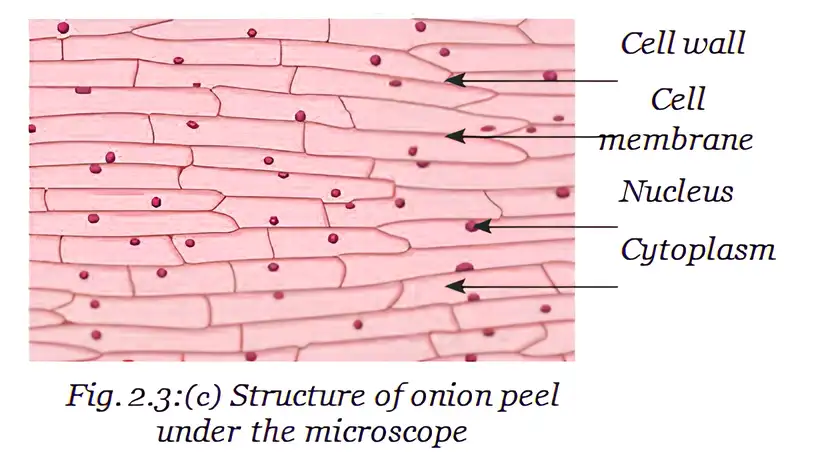
- Onion-peel cells: Nearly rectangular and closely arranged, with little or no space between them.
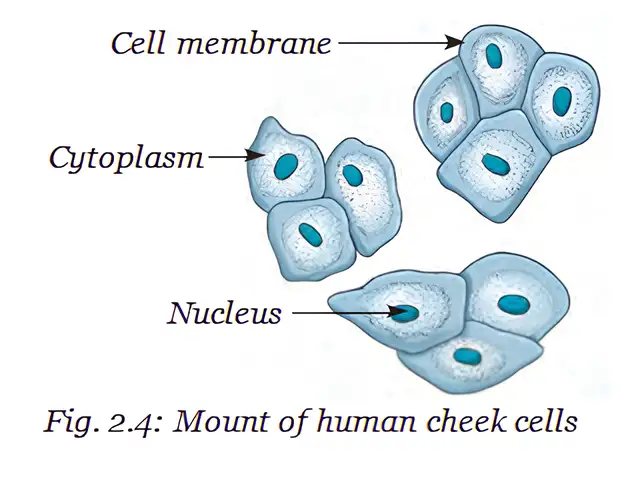
- Cheek cells: Polygon-shaped cells that form the inner lining of the mouth.
- Cell number: The number of cells varies among different organisms.

Basic Parts of a Cell
Structure and Functions
- Cell membrane: Thin outer boundary enclosing the cytoplasm and nucleus; separates one cell from another.
- Cell membrane function: Porous, allowing essential materials to enter and waste materials to leave.
- Cytoplasm: Region between the cell membrane and nucleus; contains cell components and substances such as carbohydrates, proteins, fats and mineral salts.
- Cytoplasm function: Most life processes take place here.
- Nucleus: Small, round structure inside the cell, covered by a thin membrane; regulates cell activities and growth.
- Cell wall: Extra outer layer found in plant cells; gives rigidity and strength, helping plant cells remain firm and closely arranged.
Additional Parts in Plant and Animal Cells
Plastids and Vacuoles
- Plastids: Tiny rod-shaped structures found in plant cells; in non-green parts, they help store substances.
- Chloroplasts: Plastids containing chlorophyll, which gives a green colour and helps in photosynthesis.
- Plant vacuole: Usually a large, empty-looking space that stores substances, helps remove waste and maintains cell shape, strength and support.
- Animal vacuoles: Usually absent; when present, they are generally small and store substances dissolved in water.
- Cell complexity: A cell has many parts with different functions, rather than being a simple bag of liquid.
| Feature | Plant cells | Animal cells |
|---|---|---|
| Cell wall | An extra outer layer that provides rigidity and strength. | Not specified here. |
| Plastids | Present; chloroplasts help in photosynthesis, and plastids in non-green parts help store substances. | Not specified here. |
| Vacuoles | Usually large; help store substances, remove waste and support cell shape. | Usually absent, or small if present. |
Variation in Cell Shape and Structure
Cell Shapes Suit Their Functions
- Variation: Cells differ in shape, size and structure; these features help them perform specific functions.
- Muscle cell: Spindle-shaped, thin and flexible; contracts and relaxes to produce movement.
- Nerve cell (neuron): Very long and branched; reaches different body parts and passes messages quickly.
- Cheek cell: Thin and flat; forms a protective lining on the inner cheek.
- Plant cells: May be rectangular, elongated, oval or tube-like; some form long tubes that carry water through the plant.
How Different Cells Help the Body
- Food pipe: Flexible, spindle-shaped muscle cells contract and relax in waves → push food towards the stomach.
- Stomach: Muscle cells churn food; inner-lining cells produce digestive juices and acid → help break down food.
- Nervous system: Long, branched nerve cells → reach different body parts and pass on messages quickly.
Name the three basic parts of a cell and state one function of each.
How do plant and animal cells differ in their vacuoles?
How do the shapes of nerve and muscle cells help them perform their functions?
Quick recap
- All living beings are made up of cells, the basic structural units of life.
- Onion-peel cells are nearly rectangular; cheek cells are polygon-shaped; the number of cells varies among organisms.
- The basic cell parts are the cell membrane, cytoplasm and nucleus; plant cells also have a cell wall.
- The membrane regulates material entry and exit, the cytoplasm is where most life processes occur, and the nucleus regulates cell activities and growth.
- Plant cells have plastids and usually large vacuoles; animal-cell vacuoles are usually absent or small.
- Cell shape and structure suit specific functions, such as nerve cells passing messages and muscle cells contracting.
What Are the Levels of Organisation in the Body of a Living Organism?
Levels of Organisation in Living Organisms
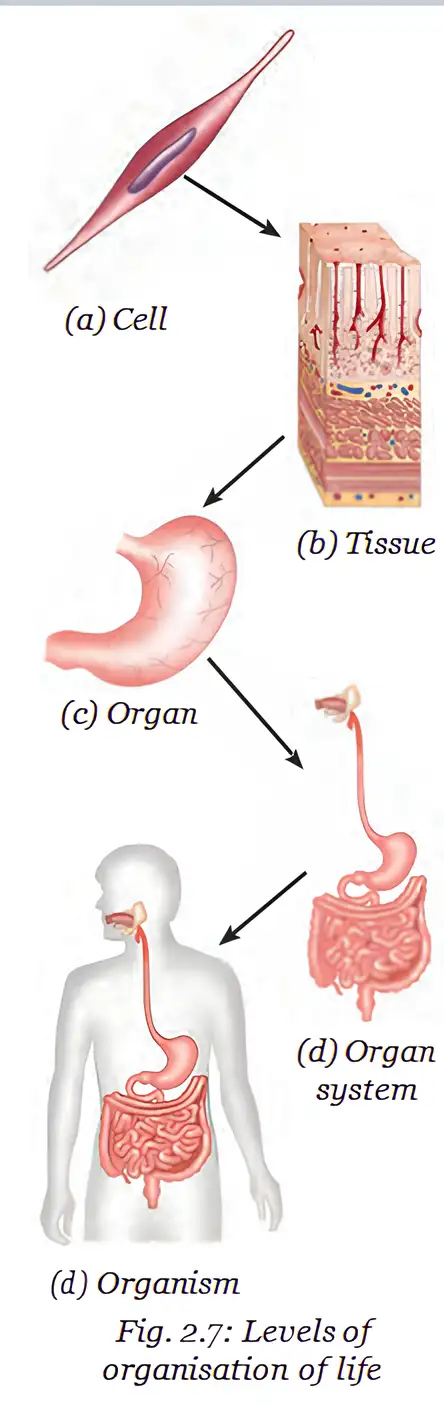
- Order: Cell → Tissue → Organ → Organ system → Organism.
A Single Cell Can Begin a Multicellular Organism
Multicellular organism — A living organism made up of many cells.
- Beginning of life: A complex organism starts as a single cell, the egg.
- Development: The egg divides repeatedly, producing the many cells of the organism.
- Examples: Humans, other animals and plants are multicellular.
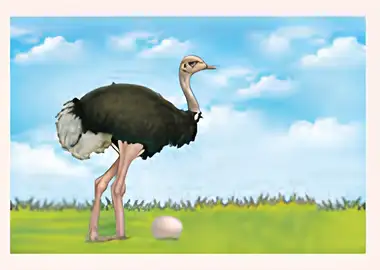
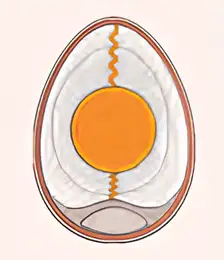
Ostrich Egg
- Yolk: The yolk is a single cell and the largest known cell in the living world; its diameter is about 130–170 mm.
- Other parts: The shell protects the egg, while the white liquid nourishes the cell as it develops.
Microorganisms
Microorganisms (microbes) — Living organisms so small that they cannot be seen with the naked eye.
- Size of the group: Microorganisms may consist of just one cell or of many cells.
- Habitats: They occur in water, soil and air, and also inside the human body.
- Visibility: A microscope magnifies microorganisms so they can be seen.
| Type | Number of cells | Examples |
|---|---|---|
| Unicellular | One cell | Bacteria, Amoeba |
| Multicellular | Many cells | Some fungi and algae |
Seeing Microorganisms
- Microscope: Magnifies microorganisms about 100 to 400 times.
- Foldscope: A low-cost, foldable paper microscope that helps make the microscopic world accessible; it gives less detail than a high-powered laboratory microscope.
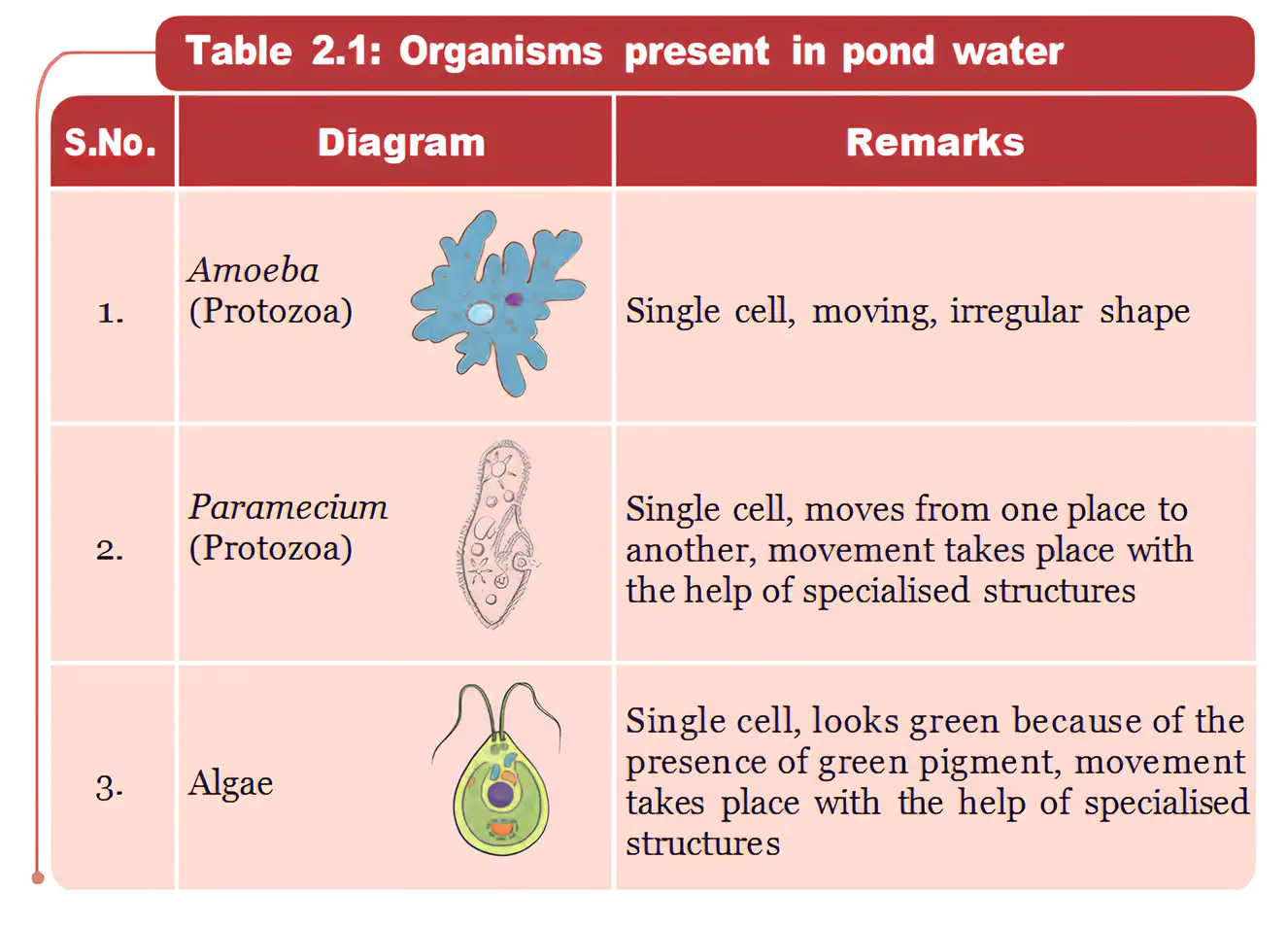
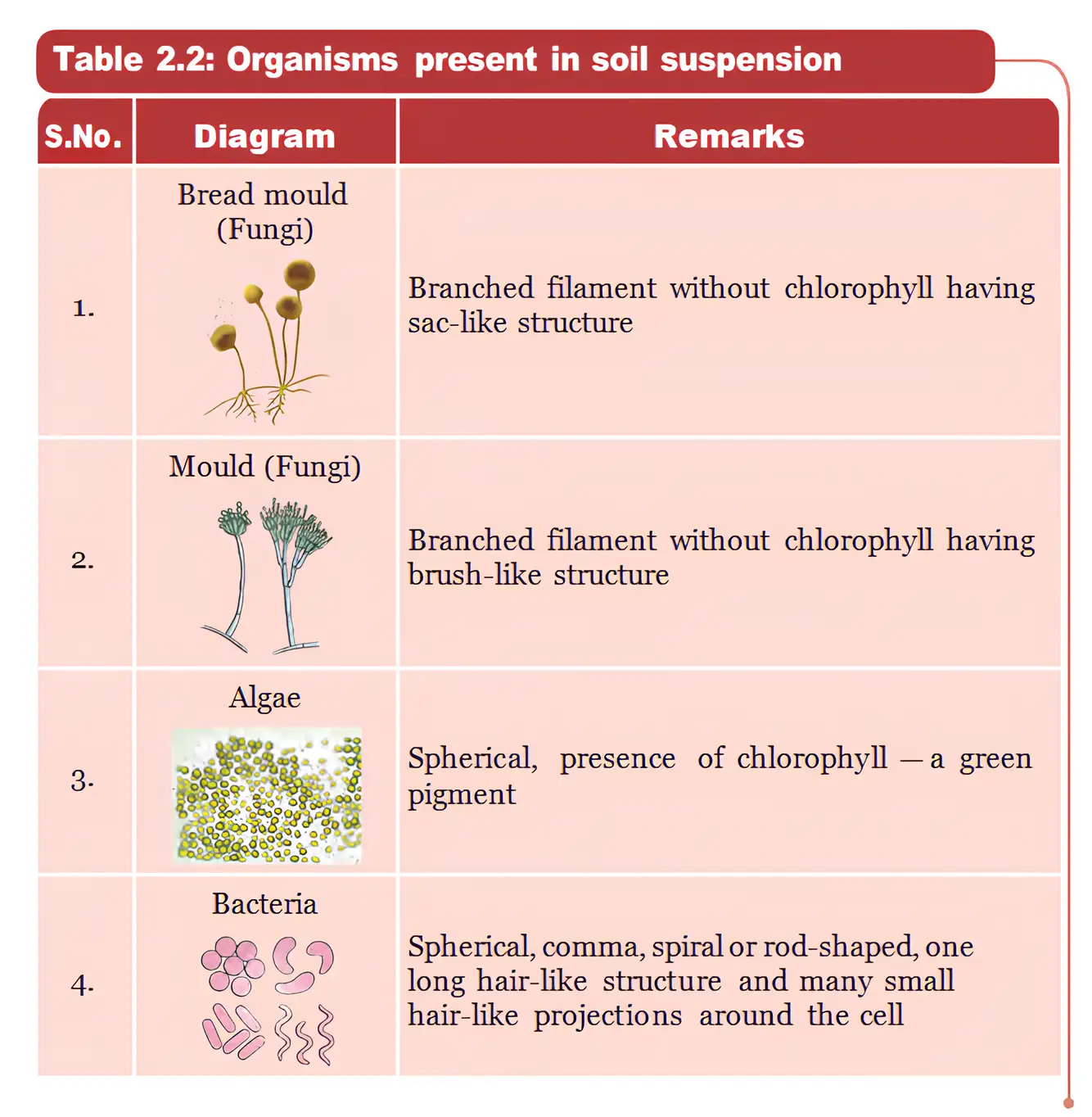
- Observed groups: Protozoa, algae, fungi and bacteria are among the microorganisms found in pond water or soil suspension.
Viruses
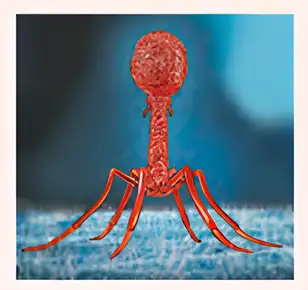
Virus — A microscopic, acellular entity that multiplies only after entering a living cell.
- Hosts: Viruses may infect plant cells, animal cells or bacterial cells.
- Effect: A viral infection may cause disease.
Write the levels of organisation in a complex living organism in order.
What are microorganisms? Give one unicellular and one multicellular example.
Why are viruses described as acellular, and how do they multiply?
Quick recap
- Living bodies are organised as cell → tissue → organ → organ system → organism.
- A single egg cell divides repeatedly to begin the development of a multicellular organism.
- The yolk of an ostrich egg is one cell, about 130–170 mm in diameter.
- Microorganisms are too small to see unaided; they live in many environments and may be unicellular or multicellular.
- Microscopes magnify microorganisms about 100–400 times; foldscopes are portable, low-cost alternatives with less detail.
- Viruses are acellular and multiply inside living cells; they can infect plants, animals or bacteria.
How Are We Connected to Microbes
Microbes Are Found Everywhere
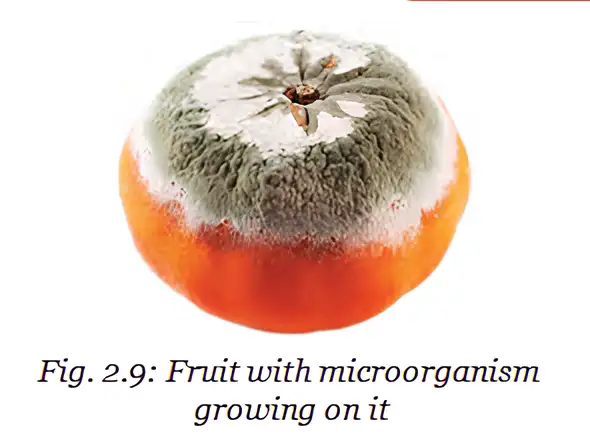
Food Preservation
- Pickles and murabbas: Salt, sugar and spices help preserve them.
- Why it works: A high concentration of salt or sugar prevents many microorganisms from growing.
Microbes Help Clean the Environment
Decomposition — Decomposition is the breakdown of dead organisms and waste into simpler substances by microorganisms.
From Plant Waste to Manure
- Fungi and bacteria act on plant waste.
- They break it down into simpler, nutrient-rich material.
- The material becomes manure, which improves soil fertility.
Why Decomposition Matters
- Waste recycling: Microbes decompose plant waste, dead animals and animal waste such as dung.
- Nutrient return: Decomposition returns nutrients to the soil, helping plants grow.
- Natural manure: Gardeners collect dry leaves and plant waste in pits so microbes can turn them into manure.
- Conditions: Manure forms best with suitable temperature and moisture.
Microbes as a Source of Biogas
- Oxygen-free decomposition: Some bacteria break down plant and animal waste in environments without oxygen, including household wastewater.
- Biogas: This process releases a mixture of gases containing carbon dioxide and a high proportion of methane.
- Uses of methane-rich biogas: It can be used for cooking, heating, generating electricity and running vehicles.
Using Microbes to Tackle Pollution
Ananda Mohan Chakrabarty
- In 1971: Scientist Ananda Mohan Chakrabarty developed a bacterium that could break down oil spills.
- In 1980: His discovery received a patent.
- Importance: The example shows that microbes can be used to help clean up pollution.
Patent — A patent gives an inventor legal protection so others cannot copy, use or sell the invention without permission.
How do microorganisms help clean the environment?
What is biogas, and how is it produced?
Quick recap
- Microorganisms occur in soil, water, air, food and living bodies.
- High concentrations of salt or sugar help stop microbes from growing in preserved foods.
- Fungi and bacteria decompose waste and produce nutrient-rich manure.
- Decomposition recycles nutrients and helps keep the environment clean.
- Some bacteria break down waste without oxygen and release methane-rich biogas.
- Microbes can also help address pollution, such as bacteria developed to break down oil spills.
Microorganisms and Food
Yeast in food preparation
- Yeast: This fungus ferments food in warm conditions and releases carbon dioxide.
- Uses: Carbon dioxide bubbles make dough soft and fluffy, so yeast is used to prepare bread and cakes.
Lactobacillus and curd formation
- Lactobacillus: This bacterium feeds on lactose in milk and ferments it to form curd.
- Lactic acid: It makes curd sour; warmth helps the bacteria grow and curdle milk.
Microorganism groups and Rhizobium
- Groups: Microorganisms include bacteria, fungi, protozoa, and some algae.
- Rhizobium: These bacteria live in root nodules of legumes and make nitrogen from the air useful to plants, improving soil fertility.
Microalgae: helpers in water
- Food and oxygen: Microalgae use sunlight to make food and release oxygen; they contribute more than half of Earth’s oxygen supply.
- Water life: They are nutrient-rich food for many aquatic animals and can help clean water.
- Other uses: Microalgae are used in health supplements, medicines, and biofuel.
Spirulina and conservation
How does yeast make dough rise?
Why does warm milk form curd more readily than cold milk?
Quick recap
- Yeast is a fungus used in baking; carbon dioxide from fermentation makes dough rise.
- Yeast also produces a small amount of alcohol, which contributes to dough's smell.
- Lactobacillus ferments lactose into lactic acid and helps make curd and fermented batters.
- Rhizobium in legume root nodules makes atmospheric nitrogen useful to plants and enriches soil.
- Microalgae make food using sunlight and produce more than half of Earth's oxygen supply.
- Spirulina is protein-rich; conserving microalgae benefits oxygen balance, food security and livelihoods.
Why Is Cell Considered to Be a Basic Unit of Life?
Cells: The Basic Units of Life
Cell — The cell is the basic structural and functional unit of life: living organisms are made of cells, and cells perform the functions needed for life.
Why cells are basic units
- Structure: All plants, animals and microorganisms are made up of one or more cells.
- Function: Cell components help cells carry out functions needed by the organism.
- Cooperation: In multicellular organisms, specialised cells work together, improving the organism’s chances of survival.
Unicellular and Multicellular Organisms
| Point | Unicellular | Multicellular |
|---|---|---|
| Number of cells | Made of one cell | Made of many cells |
| How functions are carried out | One cell carries out all functions needed for survival | Cells perform specialised functions and cooperate |
| Examples | Bacteria, protozoa, yeast | Plants, animals, mould |
Microorganisms by cell number
- Bacteria and protozoa are examples of unicellular microorganisms.
- Algae and fungi may be made of one or more cells.
- Fungi examples: Yeast is unicellular, whereas mould is multicellular.
Cell Structures in Microorganisms
Shared and distinguishing features
- Cell membrane: Microorganism cells, like plant and animal cells, are surrounded by a cell membrane.
- Fungi: Fungal cells have a cell wall but lack chloroplasts; therefore, they cannot make food through photosynthesis.
- Bacteria: Bacterial cells lack a well-defined nucleus and nuclear membrane. Instead, they have a region called a nucleoid.
- Distinction: The nucleoid distinguishes bacteria from cells of yeast, protozoa, algae, fungi, plants and animals.
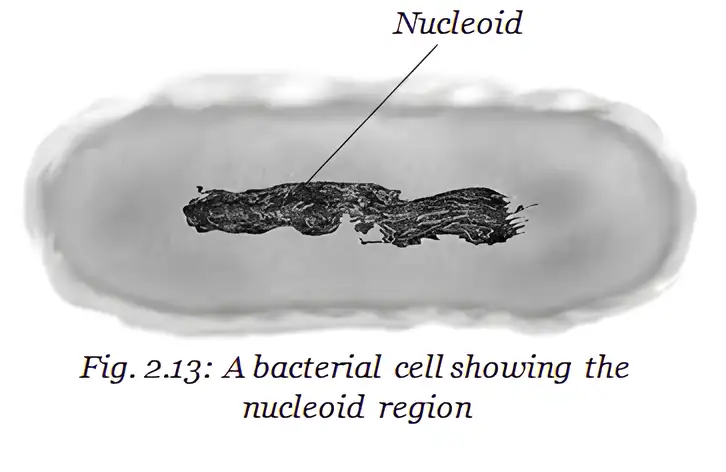
Do not describe bacteria as having a well-defined nucleus: they have a nucleoid and no nuclear membrane.
Cell Diversity and Microscopes
Observing cells
- Cell diversity: Cells differ in size, shape and structure; plant and animal cells also differ from each other.
- Importance: Cell differences help explain why organisms function differently.
- Subcellular structures: Observing smaller cell components requires microscopes with high magnification.
- Electron microscope: It can magnify a cell about 1,000,000 times, revealing more of its structures.
Microorganisms and disease
- Effects: Some microorganisms are beneficial, while others cause diseases in plants, animals and humans.
Why is the cell called the basic unit of life?
How can bacterial cells be distinguished from the other cells discussed?
Quick recap
- All living organisms are made of one or more cells; cells are the basic structural and functional units of life.
- Unicellular organisms perform all essential functions in one cell; multicellular organisms have specialised, cooperating cells.
- Yeast is a unicellular fungus; mould is a multicellular fungus.
- Fungal cells have a cell wall but no chloroplasts; bacteria have a nucleoid rather than a well-defined nucleus.
- Cells vary in size, shape and structure, and an electron microscope can magnify cells about 1,000,000 times.
- Some microorganisms are beneficial, while others cause disease.
Snapshots
Microorganisms
| Group | Cell organisation |
|---|---|
| Bacteria and protozoans | Unicellular |
| Fungi | Unicellular or multicellular |
| Plants and animals | Multicellular |
Cells: the basic unit of life
- Basic unit: The cell is the basic structural unit of life, and each cell carries out functions needed by an organism.
- Cell parts: A typical cell has a cell membrane, cytoplasm, and nucleus.
- Cooperation: In multicellular organisms, specialised cells work together to support the organism’s survival.
Kinds of microorganisms and viruses
- Microorganisms: They include bacteria, protozoa, fungi, and some algae; some are single-celled and others have many cells.
- Viruses: They are microscopic and acellular, and multiply only after entering a living cell.
Useful roles of microorganisms
| Microorganism | Use |
|---|---|
| Yeasts (fungi) | Used to make breads, cakes, pastries, idlis, dosas and bhaturas. |
| Lactobacillus | Used to form curd at home and in food-industry fermentation. |
- Microorganisms may be beneficial or harmful.
- Viruses reproduce only inside a host organism.
Quick recap
- Microorganisms are too small to be seen with the unaided eye and live in many environments.
- Bacteria and protozoans are unicellular; fungi may be unicellular or multicellular.
- Cells are the basic units of life and vary in shape and size according to function.
- Plant, fungal and bacterial cells have a cell wall; bacteria lack a well-defined nucleus.
- Viruses reproduce only inside a host organism.
- Microorganisms decompose waste, support soil fertility and are used in food-making.
Science — ALL CHAPTERS
1
Exploring the Investigative World of Science
2
The Invisible Living World: Beyond Our Naked Eye
3
Health: The Ultimate Treasure
4
Electricity: Magnetic and Heating Effects
5
Exploring Forces
6
Pressure, Winds, Storms, and Cyclones
7
Particulate Nature of Matter
8
Nature of Matter: Elements, Compounds, and Mixtures
9
The Amazing World of Solutes, Solvents, and Solutions
10
Light: Mirrors and Lenses
11
Keeping Time with the Skies
12
How Nature Works in Harmony
13
Our Home: Earth, a Unique Life Sustaining Planet