Class 7 . Science . Curiosity . The Ever Evolving World of Science
Chapter 1: The Ever-Evolving World of Science
Ch 1
Science
Class 7
Lecture 1
Reference video · Lecture 1Introduction to Science
Introduction to Science
The Scope of Science
- Scope: Science explores everything from tiny cells to the Sun and stars.
- Everyday world: It investigates materials around us and processes such as water flowing underground.
Science as a Process
- Scientific thinking: Science welcomes curiosity, asks questions, and remains open to the unknown.
- Exploration: Observations, activities, and experiments help us investigate how and why things happen.
Science, Society and the Environment
- Human connection: Human activities are linked to changes in the natural world and to society.
- Responsibility: Science can help address environmental challenges and support a more sustainable world.
Interconnected Fields of Science
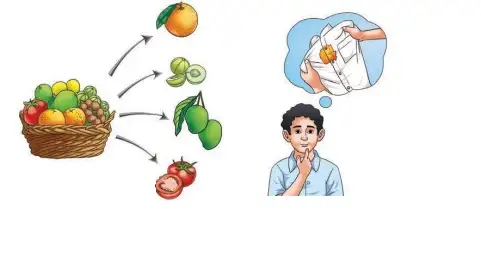
Quick recap
- Science investigates the natural world at many scales, including everyday materials and distant stars.
- Science is a process of curiosity, questioning, observation and exploration.
- Experiences and experiments help build understanding and reveal patterns.
- Observations such as paper planes and bird wings inspired scientific exploration of flight.
- Human activities connect with nature and society; science can help address environmental challenges sustainably.
- Physics, chemistry, biology and Earth sciences are interconnected.
Lecture 2
Reference video · Lecture 2Materials and Changes
Materials and Changes
Materials and Their Properties
Classifying materials
- Properties help us classify and compare materials.
- Electrical properties are explored using batteries, lamps and wires, including which materials can help make a lamp glow.
- Metals and non-metals are groups of materials considered through their properties.
Changes Around Us
Examples of changes
- Everyday changes include batteries running out, ice melting, fruits ripening and rocks breaking into pebbles.
- Reversibility varies: some changes can be reversed, while others cannot.
- Spent batteries eventually run out and cannot be used again.
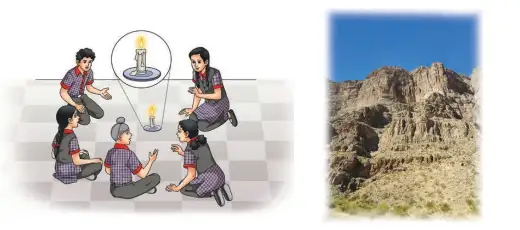
Heat, Changes and the Water Cycle
Heat and changes
- Heat can cause some changes or make them happen faster.
- Heat flow is a topic to consider in changes such as ice melting in a glass and glaciers melting.
Water movement
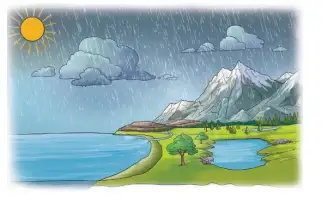
- The Sun's heat causes water to evaporate from seas.
- Water falls as rain.
- Rainwater may flow over land or trickle into the ground.
Life Processes and Growth
Living things change and survive
- Growth brings changes to the body; human bodies change rapidly during the middle-school years.
- Animals need to eat and breathe; blood circulates nutrients from food throughout the body.
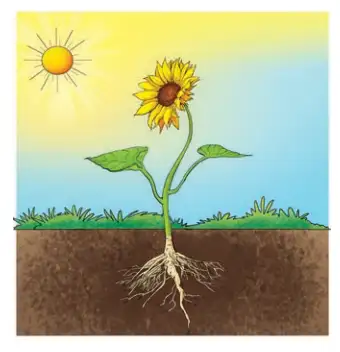
- Plants also need food to grow. How they obtain food and whether and how they breathe are questions raised for study.
Time and the Rate of Change
Measuring time
- Time can be measured using clocks and watches.
- Duration and speed matter when studying a change: ask how long it takes and how fast it happens.

What kinds of changes occur around us?
Answer: Some changes can be reversed and others cannot. Examples include batteries running out, ice melting, fruits ripening and rocks breaking into pebbles.
Quick recap
- Materials are classified by their properties, including properties related to electricity.
- Changes around us include batteries running out, ice melting, fruits ripening and rocks breaking.
- Some changes can be reversed; others cannot.
- Heat can cause or speed up some changes, and heat flow is studied through examples such as melting ice and glaciers.
- The Sun's heat evaporates seawater; water falls as rain and may flow over land or into the ground.
- Living things grow and depend on life processes; animals eat, breathe and circulate nutrients through blood.
- Clocks and watches measure time; changes can be considered by how long and how fast they happen.
Lecture 3
Reference video · Lecture 3Life and the Universe
Life and the Universe
Light, Shadows and Observation
Why Light and Shadows Matter
- Seeing: Light enables us to see; people also generate light to see when sunlight is unavailable.
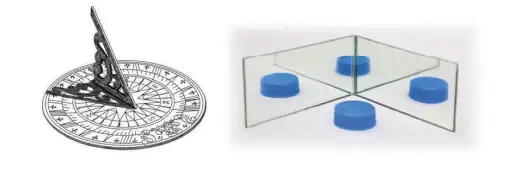
- Timekeeping: Early humans used the Sun’s position and the changing shadows of objects to tell time.
- Scientific understanding: Questions about light have helped people understand the universe beyond everyday surroundings.
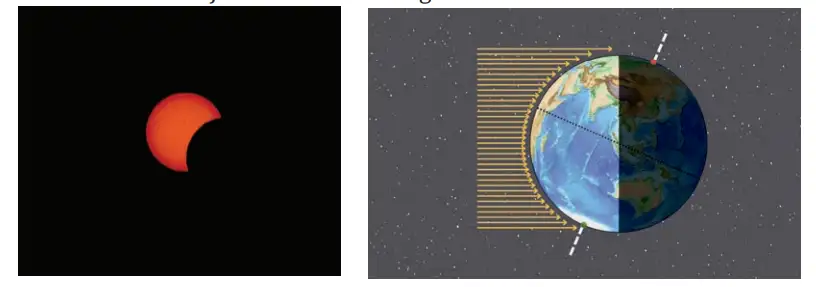
Earth, Moon and the Sun
Movements, Day and Night, and Eclipses
- Earth’s rotation: Earth spins around its axis; day and night depend on which part receives light from the Sun.
- Moon’s motion: The Moon goes around Earth.
- Earth’s motion: Earth goes around the Sun.
- Eclipses: Earth and the Moon can cast shadows, producing eclipses.
Thinking and Working Like a Scientist
Scientific Exploration
- Observe and ask questions → explore through experiments → think about the results.
- A result that seems to confirm an idea can still raise further questions and lead to more experiments.
Quick recap
- Light lets us see, and artificial sources provide light when sunlight is unavailable.
- Early humans used the Sun’s position and shadows to tell time.
- Earth rotates around its axis; the Moon goes around Earth, and Earth goes around the Sun.
- Day and night depend on which part of Earth receives sunlight.
- Shadows cast by Earth and the Moon give rise to eclipses.
- Scientific observations and experiments can lead to new questions and further investigation.
Lecture 4
Reference video · Lecture 4Activity
Activity
Asking Questions in Science
- Curiosity: Scientists ask interesting questions as well as seek answers.
- Questioning: Begin with an answer and imagine different situations or questions that could lead to it.
- Creativity: Questions can be curious, creative, and fun; there is no single wrong way to ask them.
- Thinking like a scientist: Go beyond obvious questions and use imagination to explore possibilities.
Quick recap
- Scientific thinking includes asking questions as well as answering them.
- Curiosity helps people explore ideas and situations.
- The same answer may be prompted by different questions.
- Creative questions can have many possible forms.
Science — ALL CHAPTERS
1
The Ever-Evolving World of Science
2
Exploring Substances: Acidic, Basic, and Neutral
3
Electricity: Circuits and their Components
4
The World of Metals and Non-metals
5
Changes Around Us: Physical and Chemical
6
Adolescence: A Stage of Growth and Change
7
Heat Transfer in Nature
8
Measurement of Time and Motion
9
Life Processes in Animals
10
Life Processes in Plants
11
Light: Shadows and Reflections
12
Earth, Moon, and the Sun