SOLUTIONS

2024 BOARD EXAM

CBSE Class 12 PCB Biology Board Paper 2024 — Set 1 Solutions

2024

Biology

Class 12 PCB

CBSE EXAMINATION PAPER-2024

BIOLOGY

(Solved)

Time allowed : 3 hours

Maximum Marks : 66.5

General Instructions :

Read the following instructions carefully and follow them :

  1. This question paper contains 48 questions. All questions are compulsory.
  2. This question paper is divided into 5 sections.
  3. Section A – questions number 1 to 14 are case based questions
  4. Section B – questions number 15 to 30 are multiple choice questions
  5. Section C – questions number 31 to 37 are very short answer
  6. Section D – questions number 38 to 46 are short answer
  7. Section E – questions number 47 to 48 are long answer
  8. There is no overall choice given in the question paper. However, an internal choice has been provided in few questions.
  9. Use of calculator is NOT allowed.

Section A

Question 1.
Question 2.

Read the following passage and answer the questions that follow.

Isn't it incredible that India's land area is only 2.4 per cent of the world's total land area whereas its share of the global species diversity is an impressive 8.1 per cent! However, in these estimates of species, prokaryotes do not figure anywhere.

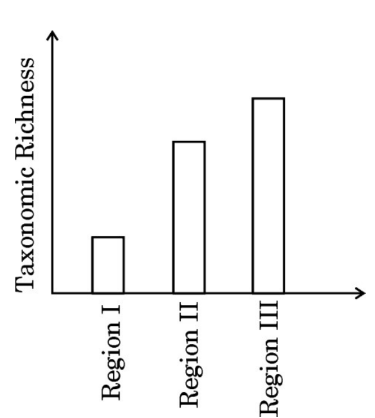
Biologists are always keen on collecting data with respect to species diversity observed in different regions of the world. The data collected based on the survey conducted for species richness of groups of mammals in three different regions of the world is shown in the bar graph given below :

(a) Why is the species richness maximum in Region III in the bar graph ?
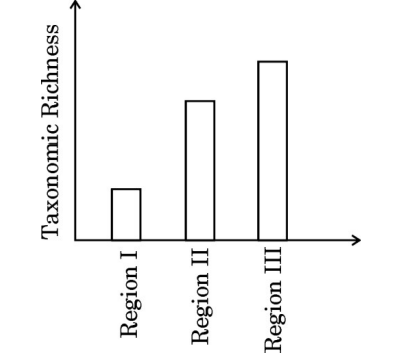
Diagram 1 – CBSE Class 12 PCB Biology 2024 Set 1 Solutions
Question 3.
Question 4.
Question 5.
Question 6.

Study the diagram given below that shows the steps involved in the procedure of selecting transformed bacteria and answer the questions that follow :
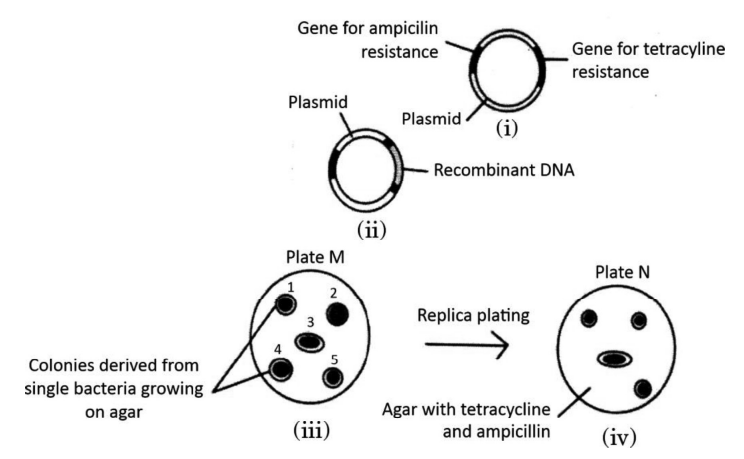
(a) Identify the colony that has got transformed. Justify your answer.

(b) What are the sites in a plasmid called where ampicillin and tetracycline resistance genes are inserted ? State their role in genetic engineering.

(c) Name two enzymes playing an important role in genetic engineering.

Question 7.
Question 8.

Study the diagram given below that shows the steps involved in the procedure of selecting transformed bacteria and answer the questions that follow :

Diagram 2 – CBSE Class 12 PCB Biology 2024 Set 1 Solutions

(1)

Name two enzymes playing an important role in genetic engineering

[1 Mark]
Answer: Two enzymes that play an important role in genetic engineering are restriction enzymes and ligases.
Key Points: restriction enzymes-ligases

(2)

Identify the colony that has got transformed. Justify your answer.

[1 Mark]
Answer: The colony that has been transformed is the one that is resistant to ampicillin. This is justified by the presence of a selectable marker, the ampicillin resistance gene, which allows only the transformed bacteria to survive and grow on agar plates containing ampicillin. Untransformed bacteria would not survive in this environment.
Key Points: transformed colony shows ampicillin resistance-selectable marker allows identification-untransformed bacteria cannot survive in ampicillin

(3)

What are the sites in a plasmid called where ampicillin andtetracycline resistance genes are inserted ? State their role in genetic engineering.

[2 Marks]
Answer: The sites in a plasmid where ampicillin and tetracycline resistance genes are inserted are called selectable markers. In genetic engineering, these markers allow for the identification of successfully transformed cells, as only those cells containing the resistance genes can grow in the presence of the respective antibiotics, enabling researchers to select and isolate the transformed organisms from untransformed ones.
Key Points: Selectable markers; role in identifying transformed cells; antibiotic resistance helping in selection

(4)

State the role of -galactosidase in insertional inactivation.

[1 Mark]
Answer: The role of β-galactosidase in insertional inactivation is to facilitate the identification of transformed bacteria. When a recombinant DNA is inserted into the gene coding for β-galactosidase, it inactivates the enzyme, leading to colorless colonies in the presence of a chromogenic substrate, which indicates the successful inclusion of the recombinant DNA.
Key Points: Inactivates β-galactosidase gene-insertion leads to colorless colonies-helps in identifying recombinant bacteria
Question 9.

Read the following passage and answer the questions that follow.

Isn't it incredible that India's land area is only 2.4 persent of the world total land area whereas its share of the global species diversity is an impressive 8·1 per cent ! However, in these estimates of species, prokaryotes do not figure anywhere. Biologists are always keen on collecting data with respect to species diversity observed in different regions of the world. The data collected based on the survey conducted for species richness of groups of mammals in three different regions of the world is shown in the bar graph given below :
Question 10.

Read the following passage and answer the questions that follow.

Isn't it incredible that India's land area is only 2.4 % of the world 's total land area whereas its share of the global species diversity is an impressive 8·1 per cent ! However, in these estimates of species, prokaryotes do not figure anywhere. Biologists are always keen on collecting data with respect to species diversity observed in different regions of the world. The data collected based on the survey conducted for species richness of groups of

mammals in three different regions of the world is shown in the bar graph given below :

Diagram 3 – CBSE Class 12 PCB Biology 2024 Set 1 Solutions
Question 11.
Question 12.
Question 13.

Read the following passage and answer the questions that follow. 4

total land area whereas its share of the global species diversity is an

impressive 8·1 per cent ! However, in these estimates of species,

prokaryotes do not figure anywhere.

Biologists are always keen on collecting data with respect to species

diversity observed in different regions of the world. The data collected

based on the survey conducted for species richness of groups of

mammals in three different regions of the world is shown in the bar

graph given below :

Question 14.

Read the following passage and answer the questions that follow. Isn't it incredible that India's land area is only 2-4 per cent of the world's total land area whereas its share of the global species diversity is an impressive 8.1 per cent! However, in these estimates of species, prokaryotes do not figure anywhere.

Biologists are always keen on collecting data with respect to species diversity observed in different regions of the world. The data collected based on the survey conducted for species richness of groups of mammals in three different regions of the world is shown in the bar graph given below :
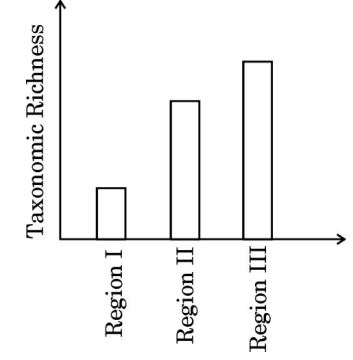
Diagram 4 – CBSE Class 12 PCB Biology 2024 Set 1 Solutions

(1)

Why is the species richness maximum in Region III in the bar graph ?

[1 Mark]
Answer: The species richness is maximum in Region III due to its tropical climate, which supports a high diversity of ecosystems and species. Additionally, the region likely features varied habitats that contribute to the abundance of species, making it a hotspot for biodiversity.
Key Points: tropical climate-higher ecosystems-diverse habitats

(2)

Why is the species richness minimum in Region I in the bar graph ?

[1 Mark]
Answer: The species richness is minimum in Region I due to its geographical location, which may be less favorable for biodiversity compared to other regions. Factors such as climate, habitat diversity, and ecological conditions contribute to lower species diversity in this region.
Key Points: Geographical location-climate and habitat diversity-ecological conditions

(3)

Why is it that prokaryotes do not have an estimated number of their species diversity as seen in plants and animals ? Explain.

[2 Marks]
Answer: Prokaryotes, which include bacteria and archaea, have not been estimated for species diversity like plants and animals due to several factors. Firstly, prokaryotes are highly diverse and can exist in numerous environments, making them difficult to observe and classify. Moreover, many prokaryotic species are not easily culturable in laboratory settings, which further complicates the identification and study of these organisms. Additionally, the rapid evolution and genetic exchange among prokaryotes contribute to the challenges in estimating their total species diversity. Therefore, there remains a significant gap in understanding the full range of prokaryotic species in comparison to the well-documented species of plants and animals.
Key Points: Difficulty in observation and classification - Many prokaryotes are unculturable - Rapid evolution and genetic exchange

(4)

Plants and animals do not have uniform diversity in the world but show rather uneven distribution. Mention what this kind of diversity is referred to as.

[1 Mark]
Answer: This kind of diversity is referred to as 'species diversity', which shows patterns such as latitudinal gradients where species diversity generally decreases as we move away from the equator towards the poles.
Key Points: species diversity-latitudinal gradients-uneven distribution

Section B

Question 15.

In which of the following plants are both male and female flowers born on the same plant and the mode of pollination can be geitonogamy or xenogamy?

[1 Mark]
  • (A) Maize
  • (B) Date Palm
  • (C) Papaya
  • (D) Spinach
Explanation:

The correct option is 'Maize.' In maize plants, both male and female flowers can be found on the same individual plant, allowing for self-pollination (geitonogamy) as well as cross-pollination (xenogamy) if pollen is transferred from one plant to another.

Question 16.

Which one of the following hormones is secreted by the human placenta that helps in the maintenance of pregnancy?

[1 Mark]
  • (A) Human Placental Lactogen
  • (B) Oxytocin
  • (C) Relaxin
  • (D) Human Chorionic Gonadotropin
Explanation: The correct option is Human Chorionic Gonadotropin (hCG), as it is produced by the placenta and plays a crucial role in maintaining pregnancy by supporting the corpus luteum, which in turn produces progesterone necessary for sustaining the uterine lining.
Question 17.

The periodic abstinence by a couple for family planning should be from:

[1 Mark]
  • (A) Day 16 to 20 of menstrual cycle
  • (B) Day 10 to 17 of menstrual cycle
  • (C) Day 5 to 10 of menstrual cycle
  • (D) Day 13 to 15 of menstrual cycle
Explanation: The correct option is 'Day 10 to 17 of menstrual cycle' because this period includes the ovulation window when a woman is most fertile. For family planning, couples should avoid intercourse during this time to prevent pregnancy.
Question 18.

Select the incorrect match from the following:

[1 Mark]
  • (A) 44 + XY Normal male
  • (B) 45 + XX Broad palm with characteristic palm crease
  • (C) 44 + XXY Overall feminine development
  • (D) 44 + XO Sterile females as ovaries are rudimentary
Explanation: The option '44 + XXY Overall feminine development' is incorrect because 44 + XXY corresponds to Klinefelter syndrome, which occurs in males and is characterized by tall stature and some feminized features, but not overall feminine development. Normal males have 44 + XY chromosomes, normal females have 44 + XX chromosomes, Turner syndrome females have 44 + XO and are sterile due to rudimentary ovaries, and males with 44 + XXY have Klinefelter syndrome, not complete feminine development.
Question 19.

You know that there are twenty different types of naturally occurring amino acids and four different types of bases in the DNA. A combination of 3 such bases code for a specific amino acid. If instead there are 96 different amino acids and 12 different bases in the DNA, then the minimum number of combinations of bases required to form a codon is:

[1 Mark]
  • (A) 4
  • (B) 6
  • (C) 8
  • (D) 2
Explanation: To determine the minimum number of combinations of bases required to form a codon for 96 different amino acids, we use the formula for combinations of bases, which is the number of bases raised to the power of the length of the codon. Thus, if 'n' is the number of bases, we need to find 'm' such that n^m = number of amino acids (96). Testing the options: 12^2 = 144 (too high), 12^3 = 1728 (too high), and 12^1 = 12 (too low). The correct choice is 4 because 4 bases raised to 4 (4^4 = 256) covers all 96 amino acids, hence the minimum number of combinations needed to represent all 96 amino acids is 4, making it correct.
Question 20.

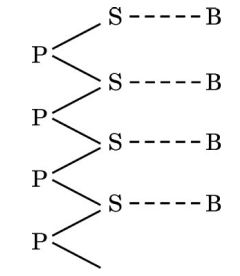
The type of bond represented by the dotted line in a schematic polynucleotide chain is:
[1 Mark] Diagram 5 – CBSE Class 12 PCB Biology 2024 Set 1 Solutions
  • (A) Hydrogen bond
  • (B) N-glycosidic linkage
  • (C) Phosphodiester bond
  • (D) Peptide bond
Explanation: The correct answer is 'Hydrogen bond.' In a polynucleotide chain, the dotted lines typically represent hydrogen bonds, which occur between complementary nitrogenous bases (adenine with thymine, and guanine with cytosine) in the double helix structure of DNA.
Question 21.

In which of the following conditions/diseases is there a substantial increase in the activity of mast cells observed in the human body?

[1 Mark]
  • (A) AIDS
  • (B) Typhoid
  • (C) Ascariasis
  • (D) Allergy
Explanation: The correct answer is 'Allergy'. In allergic reactions, the immune system overreacts to harmless substances, leading to the activation and proliferation of mast cells. These cells release histamines and other chemicals that contribute to allergy symptoms, signifying a substantial increase in their activity during allergic responses.
Question 22.

Lactobacillus that sets milk into curd is categorised as:

[1 Mark]
  • (A) Archaebacteria
  • (B) Heterotrophic bacteria
  • (C) Cyanobacteria
  • (D) Chemosynthetic bacteria
Explanation: Lactobacillus is categorized as heterotrophic bacteria because it obtains its nutrition by consuming organic compounds, specifically lactose (milk sugar), to produce lactic acid, which facilitates the curdling of milk.
Question 23.

Which one of the following transgenic animals is being used to test the safety of the polio vaccine?

[1 Mark]
  • (A) Pig
  • (B) Goat
  • (C) Sheep
  • (D) Mice
Explanation: Mice are commonly used in biomedical research to test the safety and efficacy of vaccines, including the polio vaccine. Their genetic similarities to humans allow researchers to observe potential immune responses and side effects.
Question 24.

Restriction Endonuclease Hind II always cuts DNA molecules at a particular point by recognising a specific sequence of:

[1 Mark]
  • (A) Three base pairs
  • (B) Six base pairs
  • (C) Four base pairs
  • (D) Seven base pairs
Explanation: The correct option is 'Six base pairs' because Hind II recognizes a specific palindromic sequence of six nucleotides: 'AAGCTT'. Restriction endonucleases like Hind II are known to cut DNA at specific sequences, and for Hind II, this involves recognizing and cutting at six-base pair sequences.
Question 25.

The improved trait that is found in the genetically modified transgenic crop Golden rice is:

[1 Mark]
  • (A) High vitamin-A content
  • (B) High protein content
  • (C) Insect resistant
  • (D) High lysine content
Explanation: Golden rice is genetically engineered to have a high vitamin-A content. This enhancement addresses vitamin A deficiency, particularly in areas where rice is a staple food.
Question 26.

The rate of formation of new organic matter by consumers, and the biomass available for consumption of herbivores as well as decomposers are referred to as:

[1 Mark]
  • (A) Secondary productivity and Net primary productivity
  • (B) Secondary productivity and Gross primary productivity
  • (C) Gross primary productivity and Net primary productivity
  • (D) Net primary productivity and Secondary productivity
Explanation: The correct answer is 'Net primary productivity and Secondary productivity'. Net primary productivity (NPP) refers to the rate of formation of new organic matter by primary producers, while secondary productivity refers to the biomass produced by consumers (herbivores and higher trophic levels). This distinction is important for understanding energy flow in an ecosystem.
Question 27.

Assertion (A) : The laws of our country permit legal adoption and it is as yet, one of the best methods for childless couples looking for parenthood.

Reason (R) : Emotional, religious and social factors are no deterrents to the legal adoption of orphaned and destitute children in India.

[1 Mark]
  • (A) Assertion (A) is false, but Reason (R) is true.
  • (B) Both Assertion (A) and Reason (R) are true and Reason (R) is the correct explanation of the Assertion (A).
  • (C) Both Assertion (A) and Reason (R) are true, but Reason (R) is not the correct explanation of the Assertion (A).
  • (D) Assertion (A) is true, but Reason (R) is false.
Explanation:

Both Assertion (A) and Reason (R) are true, but Reason (R) is not the correct explanation of the Assertion (A). While legal adoption is indeed permitted and a method for childless couples, the assertion does not depend on the emotional, religious, and social factors mentioned in the reason.

Question 28.

Assertion (A) : Linked genes do not show dihybrid F2 ratio 9 : 3 : 3 : 1.

Reason (R) : Linked genes do not undergo independent assortment.

[1 Mark]
  • (A) Both Assertion (A) and Reason (R) are true and Reason (R) is the correct explanation of the Assertion (A).
  • (B) Both Assertion (A) and Reason (R) are true, but Reason (R) is not the correct explanation of the Assertion (A).
  • (C) Assertion (A) is false, but Reason (R) is true.
  • (D) Assertion (A) is true, but Reason (R) is false.
Explanation:

Both Assertion (A) and Reason (R) are true, and Reason (R) is the correct explanation of Assertion (A). Linked genes, being located close together on the same chromosome, tend to be inherited together and do not assort independently, leading to a dihybrid ratio of 9:3:3:1 not being observed.

Question 29.

Assertion (A) : Agrobacterium tumefaciens is a pathogen of several monocot plants.

Reason (R) : It is able to deliver a piece of DNA known as T-DNA to transform normal plant cells into a tumor.

[1 Mark]
  • (A) Both Assertion (A) and Reason (R) are true, but Reason (R) is not the correct explanation of the Assertion (A).
  • (B) Assertion (A) is false, but Reason (R) is true.
  • (C) Assertion (A) is true, but Reason (R) is false.
  • (D) Both Assertion (A) and Reason (R) are true and Reason (R) is the correct explanation of the Assertion (A).
Explanation:

Assertion (A) is false, but Reason (R) is true. Agrobacterium tumefaciens primarily affects dicot plants, not monocots, which makes the assertion incorrect. However, the reason provided is true, as this bacterium does deliver T-DNA that causes the transformation of host plant cells into tumor-like structures.

Question 30.

Assertion (A) : Indian Government has set up an organisation known as GEAC to decide the validity of GM research.

Reason (R) : Genetic modification of organisms has no effect when such organisms are introduced in the ecosystem.

[1 Mark]
  • (A) Assertion (A) is true, but Reason (R) is false.
  • (B) Both Assertion (A) and Reason (R) are true, but Reason (R) is not the correct explanation of the Assertion (A).
  • (C) Both Assertion (A) and Reason (R) are true and Reason (R) is the correct explanation of the Assertion (A).
  • (D) Assertion (A) is false, but Reason (R) is true.
Explanation:

Assertion (A) is true, as the Genetic Engineering Appraisal Committee (GEAC) is indeed responsible for evaluating the research and validity of genetically modified organisms (GMOs) in India. However, Reason (R) is false because genetic modifications can have significant ecological effects when GMOs are introduced into ecosystems, which is one of the main concerns that GEAC addresses. Hence, the correct option is: Assertion (A) is true, but Reason (R) is false.

Section C

Question 31.

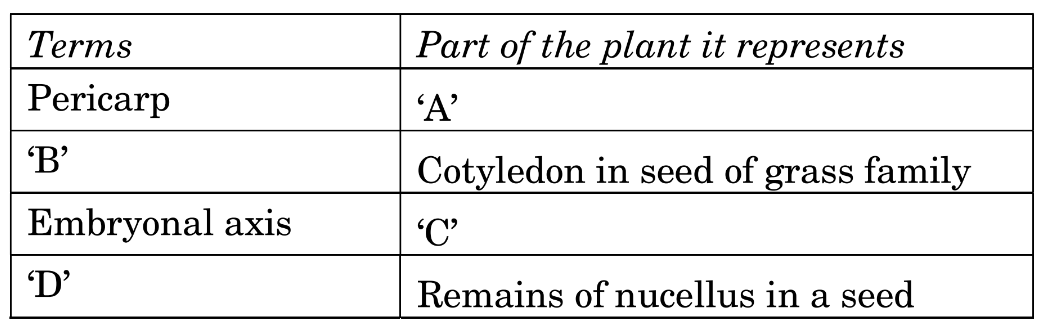
Identify A, B, C and D in the table given below:
[2 Marks] Diagram 6 – CBSE Class 12 PCB Biology 2024 Set 1 Solutions
Answer: In the given table, A stands for Pericarp, representing the outer layer of the fruit; B is the Cotyledon in the seed of the grass family, which serves as a food storage organ; C corresponds to the Embryonal axis, which is the part of the seed that develops into a plant; D is the Remains of nucellus, which is the leftover tissue from the seed's development.
Key Points: A: Pericarp - outer fruit layer; B: Cotyledon - food storage in grasses; C: Embryonal axis - develops into the plant; D: Remains of nucellus - leftover seed tissue
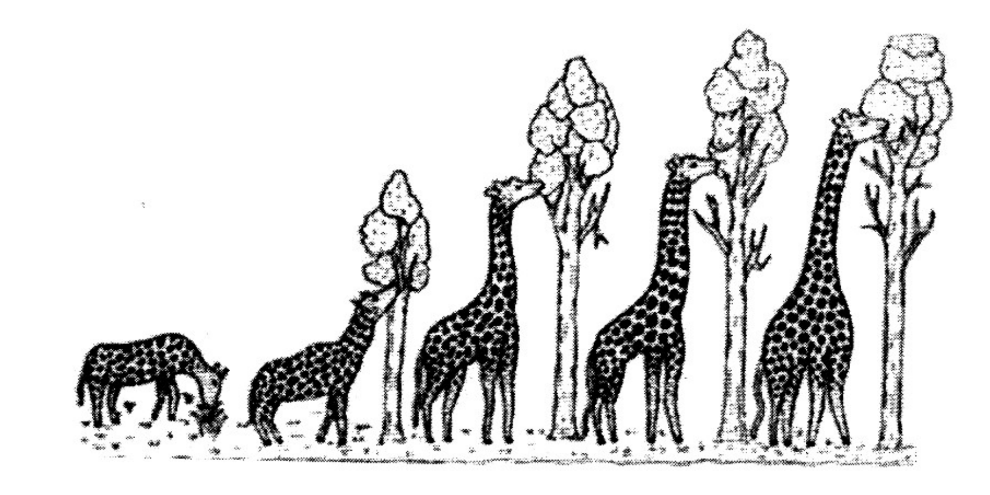
Question 32. Observe the picture given below. Name the naturalist and write the explanation given by him that the evolution of life forms had occurred on the basis of this example.
[2 Marks] Diagram 7 – CBSE Class 12 PCB Biology 2024 Set 1 Solutions
Answer: The naturalist is Charles Darwin. He explained that the evolution of life forms occurs through natural selection. In this process, organisms with advantageous traits are more likely to survive and reproduce, passing these traits to the next generation. This leads to gradual changes in species over time, demonstrating how life adapts to varying environments. Darwin's observations of finches in the Galápagos Islands provided key evidence for his theory.
Key Points: Charles Darwin-natural selection-advantageous traits-survival and reproduction-evolution of species
Question 33. Write the basic steps followed in the Assisted Reproductive Technologies (ART) programme to help childless couples. Why is it also known as the test tube baby programme?
[2 Marks]
Answer: The Assisted Reproductive Technologies (ART) programme involves several basic steps to assist childless couples. Initially, hormone treatments stimulate the ovaries to produce multiple eggs. Next, the eggs are retrieved from the ovaries using a minor surgical procedure. These retrieved eggs are then fertilized with sperm in a laboratory setting. After fertilization, embryos are cultured and monitored before one or more are implanted into the woman's uterus. It's called the test tube baby programme because fertilization occurs outside the body, in a 'test tube.'
Key Points: Hormone treatments; Egg retrieval; Fertilization in lab; Embryo culture; Implantation into uterus; Name origin.
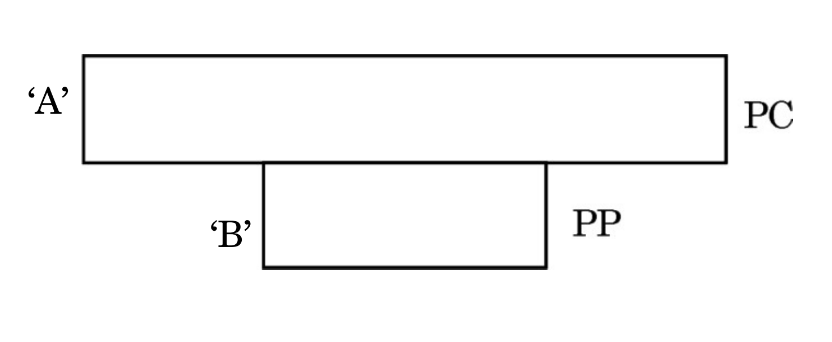
Question 34. Study the diagram of a pyramid of biomass given below. Name this type of pyramid and the ecosystem in which it is found.
[2 Marks] Diagram 8 – CBSE Class 12 PCB Biology 2024 Set 1 Solutions
Answer: The diagram represents a pyramid of biomass, which illustrates the total mass of living matter at each trophic level in an ecosystem. This type of pyramid typically applies to a terrestrial ecosystem, such as a forest. In a pyramid of biomass, the biomass decreases at each higher trophic level, indicating that fewer organisms and less mass are present in the higher trophic levels compared to the producers.
Key Points: pyramid of biomass-terrestrial ecosystem-biomass decreases at higher trophic levels
Question 35.

Name and explain the property present in normal cells but is lost in cancer cells.

[2 Marks]
Answer: The property that normal cells possess but cancer cells lack is called contact inhibition. In normal cells, contact with neighboring cells inhibits further growth and division. This regulatory mechanism ensures that cells do not proliferate uncontrollably, maintaining tissue structure and function. However, cancer cells lose this property, enabling them to grow continuously and form tumors. This unchecked growth is a hallmark of cancer and can lead to serious health consequences.
Key Points: contact inhibition - normal cells inhibit growth upon contact - cancer cells lose this property - results in uncontrolled growth - leads to tumor formation
Question 36.

All normal human cells have genes that may become cancerous under certain conditions. Name them and explain how.

[2 Marks]
Answer: The genes that can become cancerous are called proto-oncogenes in normal cells. When these genes are altered through mutations, such as point mutations, or by chromosomal aberrations, they can become activated to promote uncontrolled cell growth. Additionally, viral oncogenes from oncogenic viruses can also induce transformation. This process leads to loss of regulation and contact inhibition, causing normal cells to become cancerous.
Key Points: proto-oncogenes-viral oncogenes-mutations-chromosomal aberrations-loss of regulation
Question 37.

State the role of the following techniques in detection and diagnosis of cancer :

(1) Biopsy and Histopathology 1

(2) Magnetic Resonance Imaging

[2 Marks]
Answer: Biopsy and histopathology are crucial in cancer diagnosis as they involve extracting tissue samples for microscopic examination by a pathologist, enabling the identification of cancerous cells. Magnetic Resonance Imaging (MRI), on the other hand, uses strong magnetic fields and non-ionizing radiation to image internal organs, helping detect physiological changes associated with cancer, therefore aiding in early and accurate diagnosis.
Key Points: Biopsy involves tissue extraction, histopathology for microscopic analysis, aids in identifying cancer; MRI uses strong magnets, non-ionizing radiation, detects physiological changes.

Section D

Question 38.

Explain the mode of action of contraceptive pills taken by human females. Mention the schedule to be followed for effective outcome.

[3 Marks]
Answer: Contraceptive pills primarily work by preventing ovulation. They contain synthetic hormones, either a combination of estrogen and progestin or progestin alone, which inhibit the natural hormonal signals that lead to ovulation. This prevents the release of an egg from the ovaries. Additionally, these pills thicken cervical mucus, making it difficult for sperm to enter the uterus and reduce the likelihood of fertilization. For effective use, it is crucial to take the pill at the same time daily. Most pills are taken for 21 consecutive days, followed by a 7-day break during which menstruation occurs. Some regimens allow for continuous use, skipping the break altogether. Adhering to this schedule maximizes effectiveness, ensuring over 99% prevention of pregnancy when taken correctly.
Key Points: Prevents ovulation; contains hormones (estrogen/progestin); thickens cervical mucus; 21-day cycle with a 7-day break; daily at the same time; over 99% effective if used correctly.
Question 39.

(a) Name and write two characteristics of the type of DNA that forms the basis of DNA fingerprinting technique.

(b) Mention any two applications of this technique.

[3 Marks]
Answer: The type of DNA that forms the basis of DNA fingerprinting is known as 'Variable Number Tandem Repeats' (VNTRs). VNTRs are segments of DNA where a short sequence of bases is repeated multiple times. One key characteristic of VNTRs is their high variability among individuals, which makes them unique identifiers. Another characteristic is their presence in non-coding regions of the genome, allowing for differentiation without affecting vital genes. Two applications of DNA fingerprinting include forensic science, where it is used to identify suspects or victims in criminal cases, and paternity testing, which helps establish biological relationships in family cases.
Key Points: Variable Number Tandem Repeats (VNTRs)-high variability among individuals-presence in non-coding regions-forensic science application-paternity testing application
Question 40.

(a) Explain the significance of the experiment carried out by S.L. Miller. Name the scientists whose hypothesis prompted him to carry out this experiment.

(b) How does meteorite analysis favour this hypothesis ?

[3 Marks]
Answer: S.L. Miller's experiment, conducted in 1953, was significant as it was the first to demonstrate that organic compounds, specifically amino acids, could be synthesized from inorganic precursors under conditions thought to mimic early Earth. This experiment was inspired by the hypotheses of scientists such as Alexander Oparin and J.B.S. Haldane, who proposed that life arose from simple organic molecules formed in a primordial soup. Meteorite analysis supports this hypothesis, as many meteorites contain organic compounds, suggesting that the building blocks of life could be delivered from space, reinforcing the idea that life on Earth may have originated from extraterrestrial sources.
Key Points: Miller's experiment; Synthesis of amino acids; Inspired by Oparin and Haldane; Primordial soup theory; Meteorite analysis; Organic compounds in meteorites; Extraterrestrial delivery of life's building blocks
Question 41.

Identify A, B, C, D, E and F in the table given below :
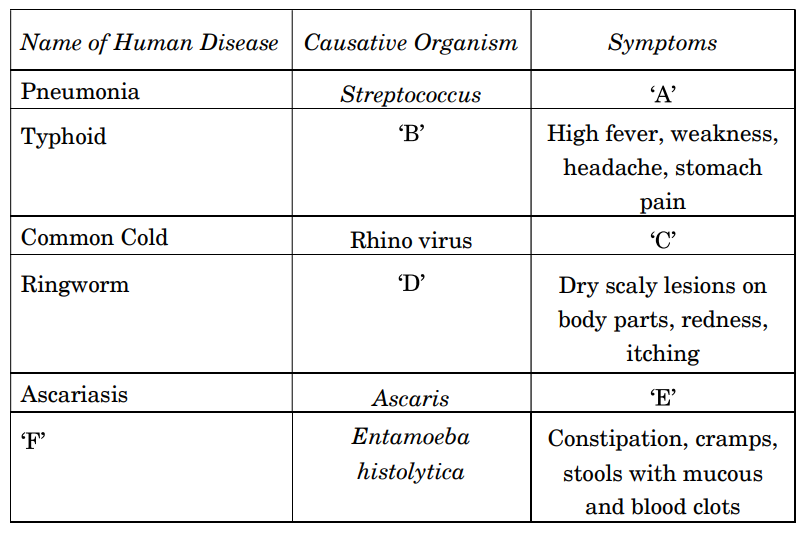
[3 Marks] Diagram 9 – CBSE Class 12 PCB Biology 2024 Set 1 Solutions
Answer: In the provided table, A represents the initial data point indicating the starting value. B denotes a subsequent value that shows the increase noticed in the dataset. C stands for the average calculated value, reflecting the overall trend. D indicates a maximum threshold that highlights the upper limit of the data range. E refers to the minimum recorded value, emphasizing the lowest point. Lastly, F represents the total sum or aggregate of all data points collected.
Key Points: A: initial data point - B: subsequent value showing increase - C: average calculated value - D: maximum threshold - E: minimum recorded value - F: total sum of data points
Question 42.

In a family, the father, the daughter and the son are colour blind, whereas the mother has normal vision. Do you think the son and the daughter have inherited the disease from their father ? Work out a cross to justify your answer.

[3 Marks]
Answer: In this case, color blindness is an X-linked recessive condition. The father has color blindness, indicating his genotype is XᶜY (where Xᶜ represents the X chromosome with the color blindness allele). The mother has normal vision and can thus be homozygous dominant (XX) or a carrier (XᶜX). Since their son is color blind, he must have inherited the Xᶜ chromosome from his mother and the Y from his father. The daughter, being color blind, must have received one Xᶜ from her father and one Xᶜ or X from her mother. Therefore, both the son and daughter inherited color blindness from the father.
Key Points: Color blindness is X-linked recessive; Father is XᶜY; Mother could be XX or XᶜX; Son inherits Y from father and X from mother; Daughter inherits Xᶜ from father.
Question 43.

(i) What are transgenic animals ?

(ii) Name the first transgenic cow and state its importance.

[3 Marks]
Answer: Transgenic animals are organisms whose DNA has been altered to include one or more genes from another species, allowing them to express new traits. These modifications can help in studying gene regulation, physiological functions, and disease models. The first transgenic cow was "Rosie," created in 1997. Rosie was significant because she produced milk containing human protein alpha-lactalbumin, which improved the nutritional value of the milk. This achievement highlighted the potential of using transgenic animals to create valuable biological products and advance agricultural biotechnology.
Key Points: Definition of transgenic animals-Examples of transgenic animals-Importance of genetic modification-First transgenic cow 'Rosie'-Significance of Rosie's milk production
Question 44.

(a) Explain how it is ensured that the orchid Ophrys is pollinated by a specific species of bee.

(b) Describe co-evolution with the help of this example.

[3 Marks]
Answer: The orchid Ophrys employs mimicry and deception to ensure pollination by a specific species of bee, commonly by imitating the appearance and scent of a female bee. Male bees, attracted by the visual and olfactory cues, attempt to mate with the flower, inadvertently transferring pollen in the process. This strategy effectively ensures successful pollination. Co-evolution is illustrated here; as Ophrys evolves to attract specific bee species, the bees also adapt to recognize these orchids, enhancing the efficiency of the mating process and guaranteeing successful reproduction for both organisms.
Key Points: Ophrys mimics appearance and scent of female bees - Male bees attracted for mating - Pollination occurs through deception - Co-evolution observed as both species adapt together - Evolution enhances reproductive success.
Question 45.

(i) Explain the convention for naming EcoRI. 2

(ii) With the help of an illustration only, show the action of EcoRI on a DNA Polynucleotide.

[3 Marks]
Answer: The naming convention for restriction enzymes like EcoRI follows a systematic approach. The first letter 'E' indicates the genus of the bacteria from which it was isolated, in this case, Escherichia. The next two letters 'co' represent the species, and 'R' denotes the specific strain RY 13 from which the enzyme was derived. Roman numeral 'I' indicates that EcoRI was the first enzyme isolated from this strain. EcoRI is an endonuclease that recognizes specific DNA sequences, cutting the DNA at palindromic sites. The action of EcoRI involves recognizing and cutting the DNA at these specific sequences, which is crucial in molecular biology for recombinant DNA technology.
Key Points: Naming convention based on genus and species; EcoRI = E (Escherichia) + co (coli) + R (strain RY 13); Roman numeral indicates order of isolation; EcoRI recognizes specific palindromic sequences; functions as an endonuclease to cut DNA.
Question 46.

Explain the development of male gametophyte in an angiosperm.

[2.5 Marks]
Answer: The development of male gametophyte in angiosperms begins with microsporogenesis, where microspores are produced in the microsporangium (anther). These haploid microspores undergo mitosis to form a pollen grain, which consists of two cells: the generative cell and the tube cell. The pollen grain is then released from the microsporangium during pollination. Once it lands on a compatible stigma, it germinates, forming a pollen tube. The generative cell divides mitotically to produce two sperm cells. The pollen tube grows through the style, entering the ovule, where fertilization occurs. This unique process includes double fertilization, leading to the formation of both the zygote and the triploid endosperm, showcasing the complexity of angiosperm reproduction.
Key Points: microsporogenesis - formation of microspores in microsporangium - development into pollen grain - includes generative and tube cells - pollen tube germination on stigma - double fertilization process - formation of zygote and endosperm

Section E

Question 47. Stability, as one of the properties of genetic material, was very evident in one of the very early experiments in genetics. Name the scientist and describe his experiment. State the conclusion he arrived at.
[5 Marks]
Answer: One of the pioneering scientists in genetics was Gregor Mendel, who conducted his famous experiments on pea plants in the mid-19th century. Mendel meticulously observed the inheritance of traits in these plants, particularly focusing on characteristics such as flower color and seed shape. By cross-pollinating different varieties of pea plants, he established what are now known as the laws of inheritance. Through careful analysis of the offspring, Mendel noticed consistent patterns in how traits were passed down, leading to the conclusion that traits are controlled by discrete units of inheritance, which we now call genes. His work demonstrated that genetic material maintained stability across generations, allowing for predictable patterns of inheritance. This stability is vital for the transmission of traits and helps explain genetic variation within populations. Mendel’s findings laid the foundation for the field of genetics, highlighting the importance of genetic stability in biological processes, and underscored the role of genes in heredity. His experiments thus marked a significant milestone in understanding how traits are inherited and stabilized, a concept that remains central to genetics today.
Key Points: Gregor Mendel; pea plant experiment; cross-pollination; inheritance patterns; discrete units of inheritance (genes); conclusion about genetic stability and variation; foundation of genetics.
Question 48. A tall pea plant bearing violet flowers with unknown genotype is given. Find the genotype by working out different crosses only by selfing the plants. Write the genotypic and phenotypic ratios of each cross shown by you.
[5 Marks]
Answer:

To determine the unknown genotype of a tall pea plant with violet flowers, one can perform selfing crosses. Pea plants can be classified as homozygous dominant (TT) or heterozygous (Tt) for tallness, and similarly for flower color. For the violet flowers, we assume violet is dominant over white, thus the genotypes could be either homozygous violet (VV) or heterozygous (Vv). Let's begin selfing a tall violet flower plant, assuming its genotype is TtVv. The cross will be TtVv × TtVv. 1. **Genotypic Ratio:** - 1 TT VV (Taller and violet) - 2 Tt VV (Tall and violet) - 1 tt VV (Dwarf and violet) - 2 TT Vv (Tall and violet) - 4 Tt Vv (Tall and violet) - 2 tt Vv (Dwarf and violet) Total = 1 TT VV + 2 Tt VV + 1 tt VV + 2 TT Vv + 4 Tt Vv + 2 tt Vv = 9 Tall Violet : 3 Dwarf Violet 2. **Phenotypic Ratio:** - The tall plants (TT or Tt) dominate over dwarf (tt). Thus: - Total Tall: 9 - Total Dwarf: 1 - Thus, the phenotypic ratio is 3 Tall Violet: 1 Dwarf Violet. Following these selfing methods provides a clear way to understand the genotype of the tall violet flower plant, confirming its traits and ratios through systematic analysis and genetic prediction.

Key Points: 1. Perform selfing of TtVv pea plant. 2. Calculate genotypic ratios: TT, Tt, tt for height; VV, Vv for flower color. 3. Identify resulting phenotypes and ratios from crosses. 4. Present genotypic ratio as 9 Tall Violet : 3 Dwarf Violet. 5. Conclude with clear phenotypic ratio understanding.

Paper Details

CBSE Board Exam 2024

Class

Class 12 PCB

Subject

Biology

Year

2024

Set

Set 1

Other Years — Biology

2022 Set-1

2022 Set-2

2022 Set-3

2022 Set-4

2022 Set-5

2023 Set-1

2023 Set-3

2023 Set-5

2024 Set-1

2024 Set-2

2024 Set-3

2024 Set-4

2024 Set-5

2025 Set-1

2025 Set-2

2025 Set-3

2025 Set-4

2025 Set-5

2025 Set-6

CBSE Class 12 Biology 2024 Set 1 Solutions | Prepzy