SOLUTIONS

2025 BOARD EXAM

CBSE Class 12 PCB Biology Board Paper 2025 — Set 5 Solutions

2025

Biology

Class 12 PCB

CBSE EXAMINATION PAPER-2025

BIOLOGY

(Solved)

Time allowed : 3 hours

Maximum Marks : 83

General Instructions :

Read the following instructions carefully and follow them :

  1. This question paper contains 41 questions. All questions are compulsory.
  2. This question paper is divided into 5 sections.
  3. Section A – questions number 1 to 4 are case based questions
  4. Section B – questions number 5 to 20 are multiple choice questions
  5. Section C – questions number 21 to 28 are very short answer
  6. Section D – questions number 29 to 35 are short answer
  7. Section E – questions number 36 to 41 are long answer
  8. There is no overall choice given in the question paper. However, an internal choice has been provided in few questions.
  9. Use of calculator is NOT allowed.

Section A

Question 1.
Question 2.

Read the following passage and answer the questions that follow

According to evolutionary theory, every evolutionary change involves the substitution of a new gene for the old one and the new allele arises from

the old one. Continuous accumulation of changes in the DNA coding for proteins leads to evolutionary differences. The chemical composition of

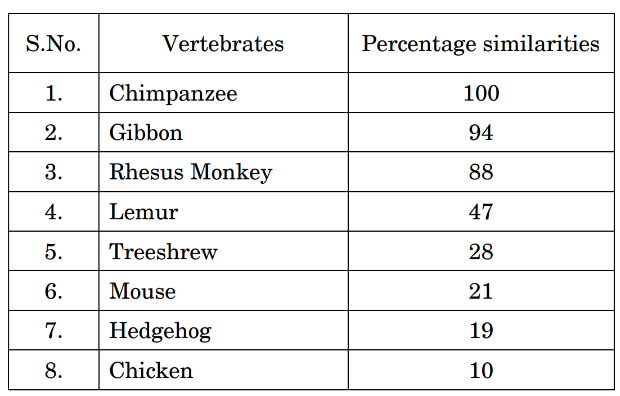
DNA is basically the same in all living beings, except for differences in the sequence of nitrogenous bases. Given below are percentage relative similarities between human DNA and DNA of other vertebrates :
Question 3.

Read the following passage and answer the questions that follow

According to evolutionary theory, every evolutionary change involves the substitution of a new gene for the old one and the new allele arises from

the old one. Continuous accumulation of changes in the DNA coding for proteins leads to evolutionary differences. The chemical composition of

DNA is basically the same in all living beings, except for differences in the sequence of nitrogenous bases. Given below are percentage relative similarities between human DNA and DNA of other vertebrates :

Diagram 1 – CBSE Class 12 PCB Biology 2025 Set 5 Solutions

(1)

What is the term used for the substitution of a new gene for the old one and the new allele arising from the old one during evolutionary process ?

[1 Mark]
Answer: The term used for the substitution of a new gene for the old one, and the new allele arising from the old one during the evolutionary process is 'mutation'.
Key Points: mutation

(2)

Greater the evolutionary distance, greater are the differencesin the nitrogenous bases

[1 Mark]
Answer: Greater evolutionary distances between species indicate more differences in the sequences of nitrogenous bases in their DNA. For example, since 99.9% of human DNA is similar among individuals, only a small percentage reflects the variations that contribute to our unique traits. Therefore, greater disparity among species leads to greater genetic differences.
Key Points: Evolutionary distance-nitrogenous base differences-99.9% similarity in humans

(3)

Greater the evolutionary distance, lesser are the differencesin the nitrogenous bases.

[1 Mark]
Answer: As evolutionary distance increases, the differences in the nitrogenous base sequences among species tend to decrease. This is due to the fact that closely related species share more similar DNA sequences, reflecting their common ancestry. For example, humans and chimpanzees have a high percentage of similarity in their DNA, while more distantly related species, such as humans and frogs, show greater differences in their sequences.
Key Points: Evolutionary distance-differences in nitrogenous bases-similarities among closely related species

(4)

Lesser the evolutionary distance, lesser are the differences in the nitrogenous bases.

[1 Mark]
Answer: According to the evolutionary theory, as the evolutionary distance between species decreases, the differences in their DNA sequences also decrease. This implies that closely related species share a higher percentage of identical nitrogenous bases in their DNA arrangements. For instance, since humans share 99.9% of their DNA sequence with each other, this small percentage of difference (approximately 3 million base pairs out of 3 billion) contributes to our unique characteristics.
Key Points: Evolutionary distance links to genetic similarity-DNA sequences show small differences in closely related species-3 million differences in humans' DNA sequence

(5)

(i) To which category of evolution (divergent or convergent) doesthe following relationship belong to ? Justify your answer.Human and Rhesus Monkey

[1 Mark]
Answer: The relationship between humans and Rhesus monkeys belongs to divergent evolution. This is justified by the fact that both species share a common ancestor, but have evolved different traits over time due to adaptations to their respective environments.
Key Points: divergent evolution-common ancestor-adapted traits

(6)

Lesser the evolutionary distance, greater are the differencesin the nitrogenous bases.

[1 Mark]
Answer: The statement means that organisms that are closely related evolutionarily share more similarities in their DNA sequences. For example, since 99.9% of the human DNA base sequences are identical among individuals, only a small percentage shows differences. With a human genome of approximately 3 billion base pairs, this results in about 3 million base pairs where individual differences can occur, leading to unique phenotypic traits.
Key Points: Evolutionary distance; differences in nitrogenous bases; 99.9% similarity among humans.

(7)

Differentiate between Convergent and Divergent evolution.

[1 Mark]
Answer: Convergent evolution occurs when different species evolve similar traits independently due to similar environmental pressures, despite having different ancestors. In contrast, divergent evolution happens when related species become more different over time due to different environmental adaptations or niches, leading to increased differences in traits and genetic makeup.
Key Points: Convergent evolution involves unrelated species; similar traits due to similar environments; independent evolution - Divergent evolution involves related species; differences increase over time; adaptations to different environments
Question 4.

Read the following passage and answer the questions that follow.

Prevention is the frontline response to drug use. Effective interventions address the underlying conditions contributing to drug use, such as a lack of connection to family or community, instability, insecurity, trauma, mental health issues, etc. When addressed, these factors can effectively prevent the initiation of drug use and the progression to drug use disorders. Study the few key figures of drug use given below and answer the questions that follow.
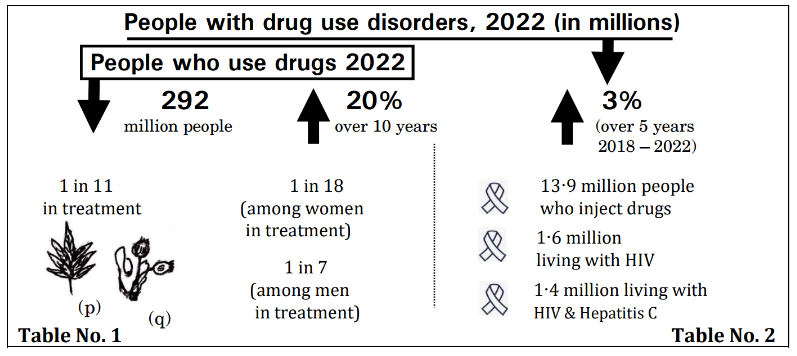
Diagram 2 – CBSE Class 12 PCB Biology 2025 Set 5 Solutions

(1)

What do you infer from the figures in Table No. 1 about the people with drug use disorders, 2022 (in million) ? State any two of your observations.

[1 Mark]
Answer: The figures in Table No. 1 indicate that there is a significant increase in the number of individuals with drug use disorders in 2022, suggesting a growing public health concern. Additionally, the data likely highlights that youth are disproportionately affected by drug use disorders compared to older age groups, which emphasizes the need for targeted prevention and education programs.
Key Points: significant increase in drug use disorders-youth disproportionately affected-need for targeted prevention programs

(2)

What do you infer from the figures in Table No. 1 about the people with drug use disorders, 2022 (in million) ? State any two of your observations.

[1 Mark]
Answer: The figures indicate a significant prevalence of drug use disorders affecting millions of people in 2022. This suggests an urgent need for effective prevention strategies, as many individuals are potentially facing the consequences of drug abuse, particularly among the youth due to factors like peer pressure and unstable family structures.
Key Points: High prevalence of drug use disorders; Indicates need for prevention strategies; Affected population may be largely youth; Role of family and social support.

(3)

How are Hepatitis C and HIV related to drug use disorders by people, as shown in Table No. 2 ? State the correlation between the two.

[1 Mark]
Answer: Hepatitis C and HIV are both closely related to drug use disorders as they can be transmitted through shared needles and other risky behaviors associated with illicit drug use. The correlation lies in the increased risk of infection among individuals who engage in intravenous drug use, which can lead to both Hepatitis C and HIV infections.
Key Points: Transmission through shared needles-risk factors-intravenous drug use

(4)

(i) Give the scientific name of (p) shown in Table

[1 Mark]
Answer: The scientific name of (p) is not provided in the case paragraph; thus, it cannot be determined from the given text.
Key Points: 1. The case paragraph does not mention (p) specifically. 2. More context or the table is needed to provide an accurate answer. 3. Ensure to relate the answer to the content that refers to drug use.

(5)

(ii) Give the scientific name of (q) shown in Table

[1 Mark]
Answer: The scientific name of (q) is provided in the relevant Table, which is not included in the context.
Key Points: Identify the scientific name from Table-q if provided; ensure accuracy; align with context on drug use.

Section B

Question 5.

The process of splicing in eukaryotes represents the dominance of the :

[1 Mark]
  • (A) Protein world
  • (B) Lipid world
  • (C) RNA world
  • (D) DNA world
Explanation: The correct option is 'RNA world.' The relevant context states that splicing represents the dominance of the RNA-world, indicating that RNA plays a significant role in the transmission of genetic information in eukaryotes.
Question 6.

Regulation of lac operon by repressor is referred to as :

[1 Mark]
  • (A) Inducible regulation
  • (B) Negative regulation
  • (C) Repressible regulation
  • (D) Positive regulation
Explanation: The correct answer is 'Negative regulation' because the lac operon is controlled by a repressor protein that binds to the operator region, preventing transcription of the operon when lactose is not present. In the presence of lactose, the repressor is inactivated, allowing transcription to occur.
Question 7.

SNPs in Human Genome Project refers to :

[1 Mark]
  • (A) Single-base DNA differences.
  • (B) Loss or gain of a gene function.
  • (C) Polymorphism in repetitive sequences.
  • (D) Single changes in nucleotide of mRNA.
Explanation: The correct option is 'Single-base DNA differences.' SNPs, or single nucleotide polymorphisms, are defined as variations in a single nucleotide at specific positions in the genome. According to the context, scientists have identified about 1.4 million locations where these single-base DNA differences occur in humans, which makes this option the accurate choice.
Question 8.

If a natural population with 50 individuals is in Hardy-Weinberg equilibrium for a gene with two alleles A and a, with the gene frequency of allele A of 0·6, the genotype frequency of Aa will be :

[1 Mark]
  • (A) 0·16
  • (B) 0·36
  • (C) 0·24
  • (D) 0·48
Explanation: The frequency of the allele A (p) is 0.6 and that of allele a (q) can be calculated as 1 - p = 0.4. The frequency of the heterozygous genotype Aa can be calculated using the formula 2pq. Thus, 2pq = 2(0.6)(0.4) = 0.48. Therefore, the genotype frequency of Aa is 0.48.
Question 9.

Given below are a few statements with respect to spermatogenesis in a human male. Choose the option with all true statements from the given options:

(i) Sperms are released from the seminiferous tubules by the process of spermiation.

(ii) Spermiogenesis involves the maturation of spermatids into sperms.

(iii) Spermatogonia produce spermatids by the process of spermiogenesis.

(iv) Meiosis II in secondary spermatocytes results in the formation of four equal haploid spermatids.

(v) Primary spermatocyte completes the first meiotic division forming two equal, diploid cells called secondary spermatocytes.

[1 Mark]
  • (A) (i), (ii) and (iv)
  • (B) (ii), (iv) and (v)
  • (C) (ii), (iii) and (v)
  • (D) (i), (iii) and (iv)
Explanation:

The correct option is (i), (ii), and (iv). Statement (i) is true because spermiation is the process where sperms are released from the seminiferous tubules. Statement (ii) is also true as spermiogenesis is the maturation process of spermatids into sperm. Statement (iv) is correct because meiosis II in secondary spermatocytes indeed results in four equal haploid spermatids. However, statement (iii) is incorrect because spermatogonia do not produce spermatids by spermiogenesis; they produce primary spermatocytes, which undergo meiosis to form spermatids. Statement (v) is also true but not inclusive in the selected option.

Question 10.

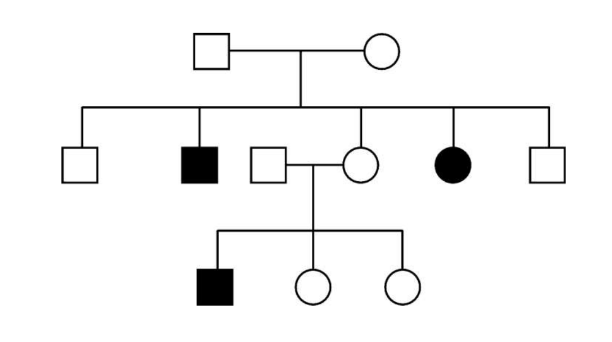
Study the pedigree chart of a family sharing the inheritance of sickle cell anemia.

The trait traced in the above pedigree chart is :
[1 Mark] Diagram 3 – CBSE Class 12 PCB Biology 2025 Set 5 Solutions
  • (A) Dominant X-linked
  • (B) Autosomal dominant
  • (C) Autosomal recessive
  • (D) Recessive X-linked
Explanation:

The correct answer is 'Autosomal recessive' because sickle cell anemia is known to be an autosome-linked recessive trait. It is transmitted when both parents are carriers of the gene, which is consistent with the context provided, indicating that it is controlled by a single pair of alleles, HbA and HbS.

Question 11.

Select the statements that are true for the seed of angiosperm from the given options:

(i) Non-albuminous seeds have no residual endosperm.

(ii) Residual, persistent nucellus in wheat is known as perisperm.

(iii) Integuments of ovules harden as tough protective seed coat.

(iv) Metabolic activity of the embryo slows down in dormancy.

[1 Mark]
  • (A) (ii) and (iii)
  • (B) (i) and (ii)
  • (C) (i), (iii), and (iv)
  • (D) (i) and (iv)
Explanation: Statement (i) is correct because non-albuminous seeds have no residual endosperm as it is completely consumed during embryo development (e.g., pea, groundnut). Statement (ii) is incorrect as the residual, persistent nucellus forming the perisperm is not characteristic of wheat but occurs occasionally in some seeds like black pepper and beet. Statement (iii) is correct because the integuments of ovules harden to form a tough protective seed coat. Statement (iv) is correct since the metabolic activity of the embryo slows down during dormancy, a state of inactivity before germination.
Question 12.

Which of the following do not follow the law of independent assortment ?

[1 Mark]
  • (A) Two or more genes on homologous chromosomes
  • (B) Genes on non-homologous chromosomes and absence of linkage
  • (C) Two or more distant genes present on the same chromosome
  • (D) Linked genes located on the same chromosomes
Explanation: Linked genes located on the same chromosomes do not follow the law of independent assortment because they tend to be inherited together due to their proximity on the chromosome. This is in contrast to genes located on different chromosomes or distant genes on the same chromosome, which can assort independently.
Question 13.

A characteristic property that distinguishes a malignant tumor from a benign tumor is :

[1 Mark]
  • (A) Metastasis
  • (B) Metagenesis
  • (C) Metabolism
  • (D) Metamorphosis
Explanation: The correct answer is 'Metastasis'. This is because malignant tumors possess the ability to spread from their original location to distant sites in the body through the blood, forming new tumors. In contrast, benign tumors typically remain localized and do not invade other tissues.
Question 14.

The cloning site present in the tetracycline resistance gene of E. coli cloning vector pBR322 is :

[1 Mark]
  • (A) EcoR I
  • (B) Pvu II
  • (C) Sal I
  • (D) Pst I
Explanation:

The correct option is Sal I. According to the provided context, the cloning vector pBR322 has multiple restriction sites including Sal I, which allows for the ligation of foreign DNA. The context mentions that the BamH I site can be used for ligation, but does not specify it as the only site for tetracycline resistance. Therefore, Sal I is also a viable option for cloning in the tetracycline resistance gene.

Question 15.

Bottled fruit juices are clearer as compared to those made at home, as they are clarified by the use of :

[1 Mark]
  • (A) Lipases and pectinases
  • (B) Proteases and cellulases
  • (C) Nucleases and lipases
  • (D) Pectinases and proteases
Explanation: The correct option is 'Pectinases and proteases'. These enzymes are specifically used to clarify bottled fruit juices, making them clearer than those made at home. Pectinases break down pectin, a substance that can cloud the juice, while proteases help degrade proteins that may also contribute to cloudiness.
Question 16.

In his observations of small black birds in the Galapagos Islands, Darwin found that all the finches arose from the original ancestor :

[1 Mark]
  • (A) Cactus-eating finches
  • (B) Seed-eating finches
  • (C) Insect-eating finches
  • (D) Fruit-eating finches
Explanation: The correct answer is 'Seed-eating finches' because the context states that all varieties of Darwin's finches evolved from original seed-eating features, giving rise to diverse forms adapted to different diets such as insectivorous and vegetarian forms.
Question 17.

Assertion (A): In dihybrid crosses involving sex-linked genes in Drosophila, generation of non-parental gene combinations are observed. Reason (R): Two genes present on different chromosomes show linkage and recombination in Drosophila.

[1 Mark]
  • (A) Both Assertion (A) and Reason (R) are true and Reason (R) is the correct explanation of the Assertion (A).
  • (B) Assertion (A) is false, but Reason (R) is true.
  • (C) Both Assertion (A) and Reason (R) are true, but Reason (R) is not the correct explanation of the Assertion (A).
  • (D) Assertion (A) is true, but Reason (R) is false.
Explanation:

Assertion (A) is correct because in Drosophila, non-parental gene combinations can arise due to recombination involving sex-linked genes. however, Reason (R) is false, because genes on different chromosomes do not show linkage, linkage occurs between genes on the same chromosomes.

Question 18.

Assertion (A): A condom is used for avoiding chances of ovum and sperm meeting. Reason (R): It is made of thin rubber/latex sheath and is used to cover the penis before coitus.

[1 Mark]
  • (A) Both Assertion (A) and Reason (R) are true and Reason (R) is the correct explanation of the Assertion (A).
  • (B) Assertion (A) is true, but Reason (R) is false.
  • (C) Assertion (A) is false, but Reason (R) is true.
  • (D) Both Assertion (A) and Reason (R) are true, but Reason (R) is not the correct explanation of the Assertion (A).
Explanation: Both Assertion (A) and Reason (R) are true and Reason (R) is the correct explanation of the Assertion (A) because the context explains that condoms are barriers that prevent the meeting of ovum and sperm by covering the penis during coitus, thus preventing conception.
Question 19.

Assertion (A): Isolated single cells can be fused to produce somatic hybrids. Reason (R): Cells selected for somatic hybridisation have desirable characters.

[1 Mark]
  • (A) Assertion (A) is false, but Reason (R) is true.
  • (B) Both Assertion (A) and Reason (R) are true, but Reason (R) is not the correct explanation of the Assertion (A).
  • (C) Both Assertion (A) and Reason (R) are true and Reason (R) is the correct explanation of the Assertion (A).
  • (D) Assertion (A) is true, but Reason (R) is false.
Explanation: Isolated single cells, specifically protoplasts (cells without cell walls), can be fused to produce somatic hybrids, which are hybrid cells combining properties of both parent cells. The cells selected for somatic hybridisation usually have desirable traits that are intended to be combined in the hybrid. Hence, the reason that cells selected have desirable characters explains why isolated single cells are fused to produce somatic hybrids for improved or novel traits.
Question 20.

Assertion (A): In humans, filariasis is characterized by inflammation in the lower limbs. Reason (R): Filarial worm usually lives in the lymphatic vessels of the lower limbs.

[1 Mark]
  • (A) Both Assertion (A) and Reason (R) are true and Reason (R) is the correct explanation of the Assertion (A).
  • (B) Both Assertion (A) and Reason (R) are true, but Reason (R) is not the correct explanation of the Assertion (A).
  • (C) Assertion (A) is false, but Reason (R) is true.
  • (D) Assertion (A) is true, but Reason (R) is false.
Explanation: Both Assertion (A) and Reason (R) are true and Reason (R) is the correct explanation of the Assertion (A). Filariasis is known to cause chronic inflammation in the lower limbs due to the presence of filarial worms like Wuchereria, which reside in the lymphatic vessels of these areas, leading to the observed symptoms.

Section C

Question 21. Expand PID. Name any two common viral infections transmitted through sexual contact in human females.
[2 Marks]
Answer: PID stands for Pelvic Inflammatory Disease. It is a complication associated with sexually transmitted infections. Two common viral infections transmitted through sexual contact in human females are Human Immunodeficiency Virus (HIV) and Hepatitis B (HBV). Both of these infections can cause serious health issues if not treated properly.
Key Points: Expand PID to Pelvic Inflammatory Disease - Mention that it is a complication of STIs - Name two viruses: HIV and Hepatitis B
Question 22.

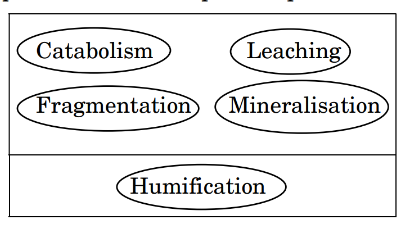
Arrange the given important steps of decomposition in their correct order of occurrence in the breakdown of complex organic matter and explain the fourth step in the process.
[2 Marks] Diagram 4 – CBSE Class 12 PCB Biology 2025 Set 5 Solutions
Answer: The correct order of decomposition steps is fragmentation, leaching, catabolism, humification, and mineralisation. The fourth step, humification, involves the transformation of decomposed organic matter into humus, a stable form of organic matter. This process enhances soil fertility and improves its structure. Humus retains moisture and nutrients, providing essential elements for plant growth. It also supports diverse microbial activity, which is crucial for nutrient cycling within the ecosystem.
Key Points: fragmentation-leaching-catabolism-humification
Question 23.

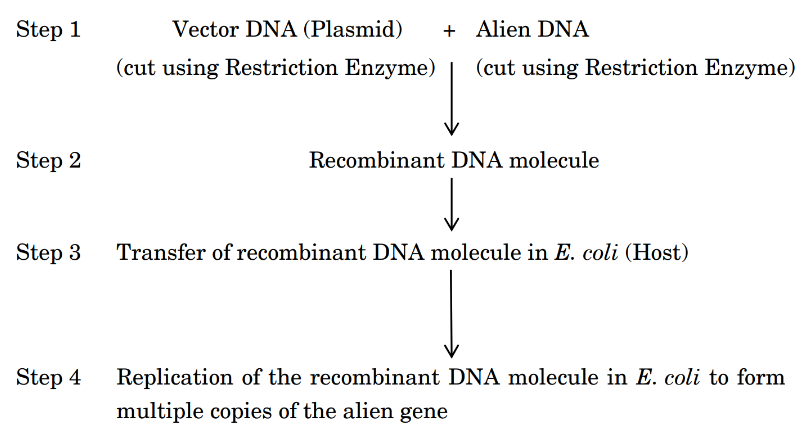
The basic scheme of the essential steps involved in the process of recombinant DNA technology is summarised below in the form of a flow diagram. Study the given flow diagram and answer the questions that follow.

(a)What is the technical term used for Step 4 in the above process ?

(b) Which of the given two combinations of restriction enzyme should

be used in Step 1 ? Justify your answer.

(i) EcoR I to cut the plasmid and Hind III to cut the alien DNA.

(ii) EcoR I to cut both the plasmid and alien DNA.
[2 Marks] Diagram 5 – CBSE Class 12 PCB Biology 2025 Set 5 Solutions
Answer: The technical term for Step 4 in recombinant DNA technology is 'ligation'. In this step, the cut fragments of DNA, including the gene of interest and the vector, are joined together with the help of the enzyme ligase. For Step 1, combination (i) is preferable: EcoR I to cut the plasmid and Hind III to cut the alien DNA. This ensures compatible sticky ends between the DNA fragments, facilitating successful ligation and the formation of recombinant DNA.
Key Points: Step 4 is 'ligation'- DNA fragments are joined by ligase- Combination (i) allows for compatible sticky ends- Ensures successful recombinant DNA formation.
Question 24.

(a) (i) Explain why the milk produced by the mother during the initial days of lactation is considered to be very essential for the newborn infant.

(ii) What is the term used for the milk produced during the initial days of lactation ?

[2 Marks]
Answer: The milk produced during the initial days of lactation, known as colostrum, is crucial for newborns as it is rich in antibodies, particularly immunoglobulin A (IgA). These antibodies help establish the infant's immune system and offer protection against infections. Colostrum also contains essential nutrients that support the growth and development of the baby. Its consumption during the first few days is recommended by doctors for ensuring a healthy start in life.
Key Points: Colostrum is the initial milk; it contains rich antibodies (IgA); essential for infant's immune protection; supports growth and development; recommended by doctors.
Question 25.

Many children in the metro cities are suffering from a very common exaggerated response of the immune system to certain weak antigens in air.

(i) What is the term used for the above mentioned disease ?

(ii) Name the main type of antibody produced by the immune system in response to this disease.

(iii) Which two main inflammation-causing chemicals are produced by the mast cells in such an immune response ?

[2 Marks]
Answer: The term used for the exaggerated response of the immune system to certain antigens is 'allergy'. The main type of antibody produced in response to allergies is IgE. Mast cells release two main inflammation-causing chemicals during an allergic reaction: histamine and leukotrienes. These substances contribute to allergy symptoms like sneezing, watery eyes, and difficulty in breathing.
Key Points: Allergy-IgE-Histamine-Leukotrienes
Question 26.

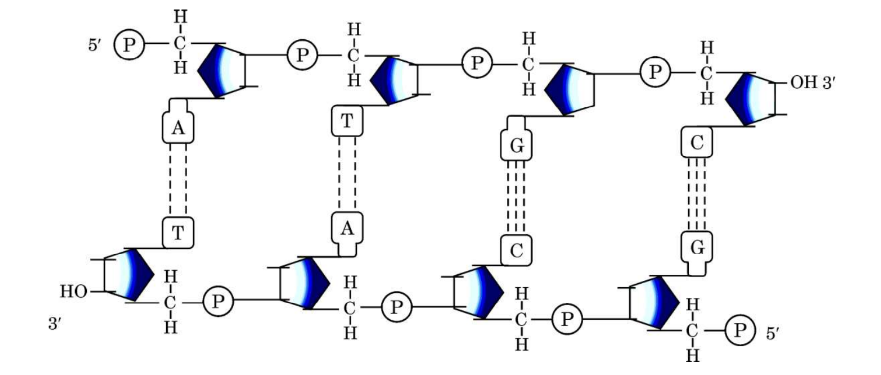
Study the given molecular structure of double-stranded polynucleotide chain of DNA and answer the questions that follow.

(a) How many phosphodiester bonds are present in the given double-stranded polynucleotide chain ?

(b) How many base pairs are there in each helical turn of double helix structure of DNA ? Also write the distance between a base pair in a helix.

(c) In addition to H-bonds, what confers additional stability to the helical structure of DNA ?
[2 Marks] Diagram 6 – CBSE Class 12 PCB Biology 2025 Set 5 Solutions
Answer: In a typical double-stranded DNA molecule, there are many phosphodiester bonds linking the nucleotides. Each nucleotide contributes to one phosphodiester bond for each neighboring nucleotide. In a full turn of DNA, there are about 10 base pairs, and the distance between base pairs is approximately 0.34 nm. Besides hydrogen bonds, base stacking interactions also contribute significantly to the stability of the DNA helix.
Key Points: Number of phosphodiester bonds depends on the nucleotides; 10 base pairs per helical turn; distance between base pairs is 0.34 nm; base stacking interactions add stability.
Question 27.

Why are restrictions imposed on MTP in India ? Up to how many weeks or trimesters, is MTP considered relatively safe for a female, if necessary to perform, by a medical practitioner ?

[2 Marks]
Answer: Restrictions on MTP in India are imposed to prevent misuse and ensure the procedure is conducted safely by qualified practitioners. MTP is relatively safe during the first trimester, specifically up to 12 weeks of pregnancy. However, second trimester abortions can be riskier. The law aims to curb illegal and unsafe abortions, which may lead to maternal fatalities, and to address social issues like female foeticide. MTP is legal under strict conditions.
Key Points: Restrictions prevent misuse-safety of procedure-qualified practitioners-12 weeks of pregnancy considered safe-riskier in the second trimester-curb illegal abortions-female foeticide concerns-legal under strict conditions.
Question 28.

How is the interaction between Ophrys and its specific bee

pollinator one of the best examples of co-evolution ? Explain.

[2 Marks]
Answer: The interaction between Ophrys, a type of orchid, and its specific bee pollinator is a classic example of co-evolution because both have evolved together to benefit each other. Ophrys flowers mimic the appearance and scent of the female bee. This deceives the male bee into attempting to mate with the flower, helping in pollination. If the female bee's colour or pattern changes, the orchid must also evolve to maintain the resemblance; otherwise, pollination success reduces. Thus, both species influence each other's evolution to improve pollination efficiency, showing a tightly linked mutual evolutionary relationship.
Key Points: Ophrys mimics female bee's appearance and scent - Male bee attempts mating, aiding pollination - Mutual evolution maintains this mimicry to ensure pollination success

Section D

Question 29.

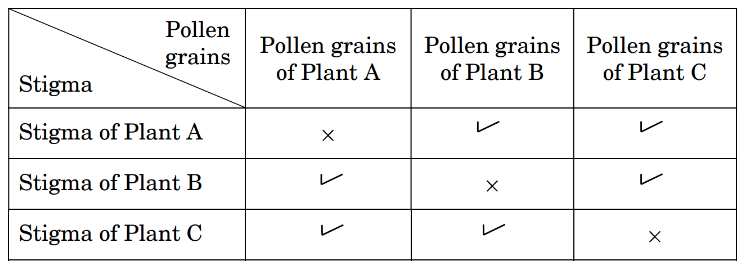
Flowering plants with hermaphrodite flowers have developed many reproductive strategies to ensure cross-pollination. Study the given outbreeding devices adopted by certain flowering plants and answer the questions that follow

All plants belong to the same species.

- No pollen tube growth/inhibition of pollen germination on stigma.

- Pollen germination on stigma.

(a) Name and define the outbreeding device described in the above

table.

(b) Explain what would have been the disadvantage to the plant in the

absence of the given strategy.
[3 Marks] Diagram 7 – CBSE Class 12 PCB Biology 2025 Set 5 Solutions
Answer: (a) The outbreeding device described is self-incompatibility. It is a genetic mechanism that prevents self-pollination by inhibiting the growth of pollen tubes or preventing pollen germination on the stigma from the same plant. (b) In the absence of self-incompatibility, plants could experience inbreeding depression, which leads to a decrease in genetic diversity and resilience. This could result in lower survival rates, and reduced adaptability to environmental changes, ultimately threatening the population's survival.
Key Points: Self-incompatibility defines a genetic mechanism preventing self-pollination; it inhibits pollen tube growth. Inbreeding depression occurs without this mechanism, lowering genetic diversity; decreased adaptability risks population survival.
Question 30.

(a) Alien species are highly invasive and are a threat to indigenous species. Substantiate this statement with the help of any two examples.

(b) State any two criteria for determining biodiversity hotspots

[3 Marks]
Answer: Alien species can have devastating impacts on local ecosystems by outcompeting native species for resources. One notable example is the Nile perch introduction into Lake Victoria, where it led to the extinction of numerous native fish species. Another example is the spread of the zebra mussel in North American freshwater systems, which disrupts local aquatic ecosystems and outcompetes native mussels. Biodiversity hotspots are determined based on two main criteria: a high level of endemism, meaning many species are native to that region and not found elsewhere, and significant levels of habitat loss, indicating that these areas face severe threats to their biodiversity.
Key Points: Nile perch in Lake Victoria causing extinction of native fish species-zebra mussel in North America outcompeting native species-endemism as a criterion for biodiversity hotspots-habitat loss as a criterion
Question 31.

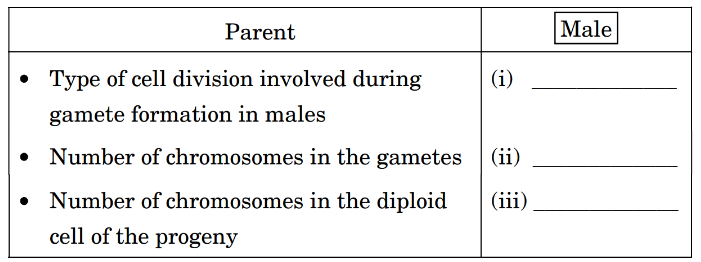
Answer the following questions with respect to the sex determining

mechanism observed in honey bee.

(a) Name the type of sex determination system observed in honey bee.

(b) Fill in the blanks (i), (ii) and (iii) in the given question.

(c) What will be the sex and chromosome number of the progeny formed from the unfertilised eggs of honey bee ?
[3 Marks] Diagram 8 – CBSE Class 12 PCB Biology 2025 Set 5 Solutions
Answer: The type of sex determination system observed in honey bees is known as haplodiploidy. In this system, fertilized eggs develop into females (either queens or workers) which have two sets of chromosomes (diploid), whereas unfertilized eggs develop into males (drones) which possess only one set of chromosomes (haploid). Therefore, the progeny resulting from unfertilized eggs will be male drones with a chromosome number of n, where n represents the haploid number of chromosomes in honey bees.
Key Points: Haplodiploidy system; Fertilized eggs = females (diploid); Unfertilized eggs = males (haploid); Progeny from unfertilized eggs = male drones, chromosome number n
Question 32.

Explain how the addition of lactose in the medium regulates the switching on of the lac operon in bacteria.

[3 Marks]
Answer: The addition of lactose to the growth medium serves as an inducer for the lac operon, a key mechanism for regulating lactose metabolism in bacteria. When lactose is present, some of it is converted to allolactose, which binds to the lac repressor protein. This binding inactivates the repressor, allowing it to detach from the operator region of the lac operon. Consequently, RNA polymerase can access the promoter region and initiate transcription of the genes necessary for lactose metabolism, including beta-galactosidase. This mechanism showcases both negative and positive regulation of gene expression in bacteria, with lactose acting as a substrate that directly influences enzyme synthesis.
Key Points: Lactose acts as an inducer; Repressor inactivation; RNA polymerase access; Transcription initiation; Regulation of enzyme synthesis by substrate
Question 33.

(a) Name and explain the role of inner and middle walls of the human female uterus.

(b) Write the location and function of fimbriae in human female

[3 Marks]
Answer: (a) The uterus has three layers: the outermost layer is the perimetrium, the middle layer is the myometrium, and the inner layer is the endometrium. The perimetrium is a thin membranous outer layer providing an additional protective covering. The myometrium, composed of smooth muscle, is responsible for the contractions during childbirth, thereby aiding in the delivery of the fetus. The endometrium is the innermost layer that thickens during the menstrual cycle and provides a nurturing environment for a fertilized ovum. If fertilization does not occur, the endometrium is shed during menstruation. (b) Fimbriae are finger-like projections located at the edges of the infundibulum, which is the part of the oviduct closest to the ovary. Their primary function is to help collect the ovum released during ovulation, guiding it into the fallopian tube for potential fertilization.
Key Points: Uterus has three layers: perimetrium, myometrium, endometrium - Perimetrium protects, Myometrium aids in contractions during childbirth, Endometrium thickens for implantation - Fimbriae are located at the infundibulum of the oviduct - Fimbriae collect the ovum after ovulation.
Question 34.

(a) What do you mean by activated sludge in an STP ?

(b) Explain the biological treatment of the major part of the sludge transferred from the large aeration tank into the anaerobic sludge digesters before its final release into the natural water bodies.

[3 Marks]
Answer: Activated sludge in a Sewage Treatment Plant (STP) refers to a mixture of water, microorganisms (bacteria and fungi), and organic matter that settles after the primary treatment of wastewater. During this process, the effluent is subjected to mechanical agitation and aeration in large tanks, allowing bacteria to proliferate and degrade organic pollutants. The major portion of this sludge is then transferred to anaerobic digesters where anaerobic bacteria further break down the material, producing biogas, mainly methane, along with carbon dioxide and hydrogen sulfide. This process reduces the volume and enhances the stability of the sludge before its final disposal as effluent into natural water bodies.
Key Points: Definition of activated sludge-Process of aeration-tank transfer to anaerobic digesters-biogas production
Question 35.

Explain the beneficial role of the following, produced as a result of the

processes of biotechnology, to mankind : 3

(a) Cow named Rosie

(b) -1-antitrypsin

[3 Marks]
Answer: Rosie, the first transgenic cow, was engineered to produce milk rich in human alpha-lactalbumin, a protein beneficial for infants. This milk has a higher nutritional value than regular cow's milk, making it potentially safer and better suited for human babies. On the other hand, alpha-1-antitrypsin is a crucial protein that protects the lungs from damage caused by enzymes; its deficiency leads to conditions like emphysema. Biotechnological production of this protein ensures a steady supply for therapeutic use, enhancing the quality of life for individuals with genetic disorders. Through these advancements, biotechnology is making significant contributions to health and nutrition.
Key Points: Transgenic cow Rosie produces human protein-enriched milk; milk is nutritionally balanced for babies; -1-antitrypsin protects the lungs; deficiency leads to emphysema; biotechnological production ensures therapeutic supply; enhances health and nutrition.

Section E

Question 36.

(i) Explain how some strains of Bacillus thuringiensis produce proteins that kill certain insects such as lepidopterans but do not kill the Bacillus.

(ii) How is the above mechanism exploited for the production of Bt cotton plant by biotechnologists ?

[5 Marks]
Answer: Bacillus thuringiensis (Bt) produces proteins known as delta-endotoxins during a specific growth phase. These proteins are formulated into crystalline structures. When these crystals are ingested by susceptible insects, such as lepidopterans, they are activated in the alkaline environment of the insect midgut. The activated toxin binds to specific receptors on the midgut epithelial cells, creating pores that lead to cell lysis, which ultimately causes the insect’s death. Importantly, these proteins are safe for Bacillus itself because the bacteria have evolved protection mechanisms against their own toxins. Biotechnologists utilize this natural insecticidal property to develop genetically modified organisms (GMOs) like Bt cotton. By incorporating the Bt toxin gene into the cotton plant’s genome, the plant can produce these proteins, thereby providing built-in pest resistance. This reduces the reliance on chemical pesticides, promoting environmentally friendly agricultural practices. Bt cotton effectively reduces damage from various pests while ensuring the safety of non-target organisms and the environment.
Key Points: Bacillus thuringiensis produces delta-endotoxins-crystalline structures activated in insect midgut-binding to receptors and disrupting cells-protective mechanisms for Bacillus-exploitation of this mechanism in genetic engineering-integrating Bt gene into cotton for pest resistance-reduction of chemical pesticide use-environmental benefits of Bt cotton.
Question 37.

(i) Explain how the amplification of gene of interest is done using PCR.

(ii) State two applications of the desired amplified fragment of DNA.

[5 Marks]
Answer: The amplification of a gene of interest using PCR (Polymerase Chain Reaction) involves a series of repetitive cycles, each consisting of three main steps: denaturation, primer annealing, and extension. First, the double-stranded DNA is heated to separate it into two single strands during denaturation. Next, two specific primers, which are short sequences of nucleotides complementary to the target gene, attach to the single-stranded DNA during the annealing step. Finally, DNA polymerase extends these primers, synthesizing new DNA strands by adding nucleotides complementary to the template strand. This results in multiple copies of the gene of interest from the original DNA template. Each cycle of PCR doubles the amount of target DNA, and typically 20 to 40 cycles are performed, resulting in millions of copies of the desired fragment.

Applications of the amplified DNA fragment include: (1) In genetic research, the amplified DNA can be used for cloning into vectors, enabling the study of gene function and protein expression. (2) It is also widely utilized in medical diagnostics, such as detecting genetic disorders and infectious diseases, allowing for early detection and treatment.
Key Points: PCR process includes denaturation, annealing of primers, and extension; DNA polymerase extends primers to create copies; typically 20-40 cycles create millions of copies; applications include cloning for research and medical diagnostics.
Question 38.

(i) Explain the structure of a mature embryo sac of a typical flowering plant.

(ii) How is triple fusion achieved in these plants ?

[5 Marks]
Answer: The mature embryo sac of a typical flowering plant, angiosperm, is a highly specialized structure that contains seven cells and eight nuclei, resulting from megasporogenesis and subsequent mitotic divisions. It consists of one egg cell, two synergy cells, three antipodal cells, and one central cell containing two polar nuclei. The egg cell is found at the micropylar end, while antipodal cells are located at the chalazal end. This arrangement plays a significant role in fertilization. Triple fusion occurs when one sperm nucleus fuses with the two polar nuclei in the central cell, forming the triploid endosperm nucleus. This process is a part of double fertilization, where another sperm nucleus unites with the egg cell to form the diploid zygote, crucial for the development of the embryo.
Key Points: Mature embryo sac structure; 7-celled, 8-nucleate composition; roles of egg cell, synergids, antipodal cells, and central cell; definition of triple fusion; process of double fertilization.
Question 39.

(b) Describe the changes in the ovary and the uterus as induced by the changes in the level of pituitary and ovarian hormones during menstrual cycle in a human female.

[5 Marks]
Answer: The menstrual cycle in human females is orchestrated by the interplay of pituitary and ovarian hormones. It typically lasts about 28 days and can be divided into four phases: menstrual, follicular, ovulatory, and luteal. During the menstrual phase (days 1-5), low estrogen and progesterone levels lead to the shedding of the endometrial lining. In the follicular phase (days 6-14), the pituitary gland secretes FSH and LH, promoting follicular development and estrogen release from the ovaries, resulting in the thickening of the endometrium. Ovulation occurs around day 14, triggered by a peak in LH levels, releasing a mature ovum. In the luteal phase (days 15-28), the ruptured follicle transforms into the corpus luteum, which produces progesterone to further prepare the endometrium for possible implantation. If fertilization does not occur, hormone levels drop, leading to the degeneration of the corpus luteum and the onset of menstruation. The cyclical changes in the ovaries and uterus are essential for reproduction and reflect the complex hormonal regulation of the female reproductive system.
Key Points: Menstrual phase: shedding of the endometrial lining; Follicular phase: FSH and LH stimulate follicular development and estrogen release; Ovulation: ovum release due to LH peak; Luteal phase: corpus luteum formation and progesterone secretion; hormonal regulation governs cyclical changes.
Question 40.

(i) Describe the Species-Area relationship as observed by Alexander von Humboldt, for a wide variety of taxa in nature.

(ii) Draw the graph showing Species-Area relationship for S = CAZ Species-Area relationship ?

[5 Marks]
Answer: Alexander von Humboldt's exploration revealed a significant correlation between species richness and area, known as the Species-Area relationship. He observed that as the area explored increased, the number of species present also increased, but only up to a certain limit. This pattern is often represented logarithmically by the equation log S = log C + Z log A, where S signifies species richness, A is the area, Z indicates the slope, and C is the Y-intercept. The general trend is a rectangular hyperbolic function across various taxa, demonstrating that communities with greater species diversity exhibit lower variability, enhanced productivity, and more resilience against invaders. This relationship holds for diverse groups, such as angiosperms, birds, and fishes, with consistent Z values across different regions. However, larger areas, such as entire continents, display steeper slopes, indicating a more pronounced increase in species richness relative to area. Hence, Humboldt's contributions laid the foundation for understanding biodiversity patterns and their implications for ecological dynamics.
Key Points: Species richness increases with area; the relationship is described by log S = log C + Z log A; Z values range from 0.1 to 0.2; the relationship holds for various taxa globally; larger areas show steeper slopes; communities with high diversity are less variable and more productive.
Question 41.

(i) Describe the logistic population growth curve with the help of a suitable graphical representation.

(ii) Write the equation of Verhulst-Pearl logistic growth curve and explain wHat "K" and 'r' suggest in the given equation

[5 Marks]
Answer: The logistic population growth curve illustrates how a population grows in an environment with limited resources. It typically features a sigmoid shape, starting with an initial exponential growth phase, followed by a deceleration as the population approaches the carrying capacity (K). The curve levels off as competition for resources increases. The Verhulst-Pearl logistic growth equation is expressed as N(t) = K / (1 + (K - N0) / N0 * e^(-rt)), where N(t) is the population size at time t, r is the intrinsic growth rate, and K is the carrying capacity. In this equation, 'r' indicates the potential growth rate under ideal conditions, while 'K' represents the maximum population size that the environment can sustain without degradation of resources.
Key Points: Logistic growth curve; Sigmoid shape; Initial exponential phase; Carrying capacity (K); Equation: N(t) = K / (1 + (K - N0) / N0 * e^(-rt)); 'r' as growth rate; 'K' as maximum sustainable population.

Paper Details

CBSE Board Exam 2025

Class

Class 12 PCB

Subject

Biology

Year

2025

Set

Set 5

Other Years — Biology

2022 Set-1

2022 Set-2

2022 Set-3

2022 Set-4

2022 Set-5

2023 Set-1

2023 Set-3

2023 Set-5

2024 Set-1

2024 Set-2

2024 Set-3

2024 Set-4

2024 Set-5

2025 Set-1

2025 Set-2

2025 Set-3

2025 Set-4

2025 Set-5

2025 Set-6

CBSE Class 12 Biology 2025 Set 5 Solutions | Prepzy