SOLUTIONS

2024 BOARD EXAM

CBSE Class 12 PCB Biology Board Paper 2024 — Set 3 Solutions

2024

Biology

Class 12 PCB

CBSE EXAMINATION PAPER-2024

BIOLOGY

(Solved)

Time allowed : 3 hours

Maximum Marks : 82

General Instructions :

Read the following instructions carefully and follow them :

  1. This question paper contains 39 questions. All questions are compulsory.
  2. This question paper is divided into 5 sections.
  3. Section A – questions number 1 to 3 are case based questions
  4. Section B – questions number 4 to 19 are multiple choice questions
  5. Section C – questions number 20 to 25 are very short answer
  6. Section D – questions number 26 to 33 are short answer
  7. Section E – questions number 34 to 39 are long answer
  8. There is no overall choice given in the question paper. However, an internal choice has been provided in few questions.
  9. Use of calculator is NOT allowed.

Section A

Question 1.
Question 2.

Read the passage given below and answer the questions that follow:

In recombinant DNA technology, restriction enzymes are used as they recognize and cut DNA within a specific recognition sequence. BamH I is one such restriction enzyme which binds at the recognition sequence 5 G-G-A-T-C-C 3 and cleaves this sequence between G and G on each strand, whereas Alu I binds at the recognition sequence 5 A-G-C-T 3 and cleaves these sequences between G and C on each strand.
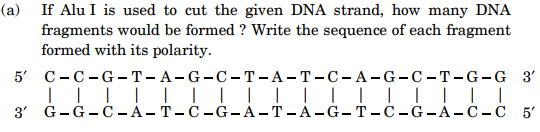
Diagram 1 – CBSE Class 12 PCB Biology 2024 Set 3 Solutions

(1)

If Alu I is used to cut the given DNA strand, how many DNA fragments would be formed ? Write the sequence of each fragment formed with its polarity.

[1 Mark]
Answer: Alu I will recognize its specific sequence in the DNA strand and cut it. The sequence is 5' A-G-C-T 3'. Based on this information, if there is one instance of the A-G-C-T sequence in the DNA, Alu I will generate 2 fragments. If we assume the sequence is part of a larger strand, for example, 5' ...A-G-C-T...3', the resulting fragments would be: 1) 5' ...A-3' (5' fragment) and 2) 5' ...C-T...3' (3' fragment).
Key Points: Alu I cuts DNA at A-G-C-T sequence-fragments depend on sequence context-2 fragments formed from 1 cut

(2)

Which one of the two restriction enzymes BamH I or Alu I willpreferably be used on the same given DNA strand to make are combinant DNA molecule and why ?

[1 Mark]
Answer: BamH I would preferably be used on the same given DNA strand to make a recombinant DNA molecule because it creates sticky ends which allow for easier ligation with other DNA fragments.
Key Points: BamH I creates sticky ends-Alu I creates blunt ends-sticky ends are advantageous for ligation

(3)

After binding to the two strands of the double helix DNA, where specifically does the restriction enzyme act to cut the two strands of DNA ? Write the specific term used for the specific nucleotidesequences of DNA recognised by a restriction endonuclease.

[2 Marks]
Answer: Restriction enzymes cut the two strands of DNA at specific points in their sugar-phosphate backbones after binding to the DNA. The specific nucleotide sequences recognized by a restriction endonuclease are known as 'palindromic nucleotide sequences.'
Key Points: restriction enzymes cut DNA at sugar-phosphate backbones-palindromic nucleotide sequences

(4)

Write the specific sequence of DNA segment recognised by the restriction endonuclease EcoRI.

[2 Marks]
Answer: The specific sequence of DNA recognized by the restriction endonuclease EcoRI is 5'-G-A-A-T-T-C-3'.
Key Points: Recognition sequence, EcoRI, G-A-A-T-T-C
Question 3.

Study the figures given below that depict the comparative age distribution of human populations in Sweden and Rwanda. (International Data Base 2003) and answer the questions that follow :
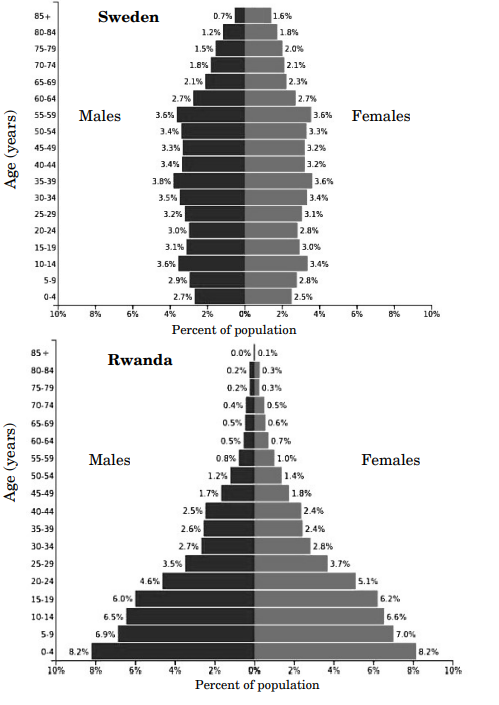
Diagram 2 – CBSE Class 12 PCB Biology 2024 Set 3 Solutions

(1)

(i) What can be inferred from the very broad base of Rawanda's age pyramid ? Support your answer with the data provided in the figure.

[2 Marks]
Answer: The very broad base of Rwanda's age pyramid indicates a high birth rate, which is characteristic of a growing population. This suggests that there is a large proportion of young individuals in the population, which often leads to future population increases. The broader base as compared to Sweden's pyramids reflects Rwanda's youthful demographic structure.
Key Points: broad base indicates high birth rate - suggests a large proportion of young individuals - implies future population growth

(2)

Sweden has an age distribution that is approximately of the same width near its base as at the apex. What does this indicate ?

[2 Marks]
Answer: The age distribution of Sweden, which exhibits a similar width at both its base and apex, indicates a stable population. This suggests that the birth rate is relatively balanced with the death rate, leading to minimal fluctuation in population size over time. Sweden's demographic profile typically shows low fertility rates and a higher life expectancy, resulting in a more balanced age distribution across the different age groups.
Key Points: Stable population growth pattern; equal width of age pyramid indicates balance of birth and death rates; reflects low fertility and high life expectancy.

(3)

Name the type of age pyramid shown above for Rwanda.

[1 Mark]
Answer: The type of age pyramid shown above for Rwanda is a 'pyramid-shaped age structure', indicating a rapidly growing population.
Key Points: Rwanda has a pyramid-shaped age structure - indicates high birth rates - suggests a growing population

(4)

Name the type of age pyramid shown above for Sweden.

[1 Mark]
Answer: The type of age pyramid shown for Sweden is a declining population pyramid, which typically has a smaller base and a larger proportion of older individuals.
Key Points: age pyramid, declining population, smaller base, larger proportion of older individuals

Section B

Question 4.

The part of the ovule that develops into protective coats of a seed after fertilization in a typical flowering plant is:

[1 Mark]
  • (A) integuments
  • (B) megaspore
  • (C) nucellus
  • (D) embryo sac
Explanation:

The correct answer is 'integuments' because these are the outer layers of the ovule that form the seed coat after fertilization, providing protection to the developing seed.

Question 5.

A DNA fragment has 2000 nucleotides, out of which 140 are Adenine. How many bases does this DNA segment possess that have triple hydrogen bonds between them?

[1 Mark]
  • (A) 1860
  • (B) 860
  • (C) 280
  • (D) 1720
Explanation: In DNA, Adenine (A) pairs with Thymine (T) via two hydrogen bonds and Guanine (G) pairs with Cytosine (C) via three hydrogen bonds. Given there are 140 Adenine bases in a DNA fragment of 2000 nucleotides, there are also 140 Thymine bases. Therefore, total A-T pairs = 140. The remaining bases are G and C, which form pairs with triple hydrogen bonds. Total nucleotides = 2000, so G + C = 2000 - (140 + 140) = 1720 bases. Since G and C pair together, the number of bases involved in triple hydrogen bond pairs is 1720.
Question 6.

During the 1850s in the pre-industrialisation era in England, the expected effect of natural selection on the number of dark-winged moths as compared to white-winged moths was:

[1 Mark]
  • (A) less in number
  • (B) more in number
  • (C) both were less in number
  • (D) both were equal in number
Explanation: Before industrialisation, tree trunks were lighter in color, so white-winged moths were better camouflaged from predators and were more in number. Dark-winged moths were less in number because they were more easily spotted and preyed upon. Natural selection favored white-winged moths in the pre-industrial environment.
Question 7.

In which one of the following floral plants are many embryos formed in the seeds without fertilisation of the egg cell?

[1 Mark]
  • (A) Black pepper
  • (B) Mustard
  • (C) Citrus
  • (D) Groundnut
Explanation: In citrus seeds, many embryos are formed without fertilisation of the egg cell, a phenomenon known as nucellar embryony or apomixis. This leads to multiple embryos in a single seed, including embryos that develop from nucellus tissue, not from the fertilised egg. Among the given options, Citrus is known for producing seeds with multiple embryos formed without fertilisation.
Question 8.

A Snapdragon plant bearing pink colour flowers is crossed with a Snapdragon plant bearing white colour flowers. The expected phenotypic percentage of the offspring is:

[1 Mark]
  • (A) 50% Pink : 50% White
  • (B) 25% Pink : 50% Red : 25% White
  • (C) 25% Red : 50% Pink : 25% White
  • (D) 50% Red : 50% White
Explanation:

The expected phenotypic ratio from a cross between a pink flower Snapdragon (represented by Rr) and a white flower Snapdragon (represented by rr) is 50% pink (Rr) and 50% white (rr). Therefore, the correct answer is 50% Pink : 50% White.

Question 9.

In which of the given chromosomal disorders does the individual have tall stature with feminised character?

[1 Mark]
  • (A) Edwards syndrome
  • (B) Turner syndrome
  • (C) Klinefelter syndrome
  • (D) syndrome
Explanation: Klinefelter syndrome occurs in males with an extra X chromosome (XXY), resulting in physical features such as tall stature and feminised characteristics, including breast development. Turner syndrome leads to short stature and underdeveloped feminine traits, Edwards syndrome does not involve these features, and the last option 'syndrome' is incomplete.
Question 10.

S.L. Miller in 1953, to support the theory of chemical evolution, created conditions in the closed flask that included:

[1 Mark]
  • (A) CH₄, NH₄, SO₂, H₂O vapour at 800C
  • (B) CH₄, H₂, NH₃, H₂O vapour at 800C
  • (C) CH₃, O₂, NH₃, H₂O vapour at 1800C
  • (D) CH₄, CO₂, H₂, H₂O vapour at 1800C
Explanation:

The correct option is 'CH₄, H₂, NH₃, H₂O vapour at 800C'. S.L. Miller's famous experiment demonstrated the synthesis of organic compounds under simulated early Earth conditions, using a mixture of methane (CH₄), hydrogen (H₂), ammonia (NH₃), and water vapor (H₂O) at a temperature of 800°C to mimic the environment thought to exist at that time.

Question 11.

In an experiment, E. coli is grown in a medium containing 14NH₄Cl. (14N is the light isotope of Nitrogen) followed by growing it for six generations in a medium having heavy isotope of nitrogen (15N). After six generations, their DNA was extracted and subjected to CsCl density gradient centrifugation. Identify the correct density (Light/Hybrid/Heavy) and ratio of the bands of DNA in CsCl density gradient centrifugation.

[1 Mark]
  • (A) Hybrid : Heavy, 1 : 31
  • (B) Light : Heavy, 1 : 31
  • (C) Light : Heavy, 1 : 05
  • (D) Hybrid : Heavy, 1 : 16
Explanation:

After six generations, the DNA will show hybrid bands as it has incorporated both light (14N) and heavy (15N) isotopes of nitrogen, resulting in a hybrid density. The ratio of the bands is 1:31 due to the presence of one strand of heavy DNA and three strands of light DNA at the end of DNA replication.

Question 12.

Which disease is the patient suffering from who is showing symptoms such as sustained high fever (39C to 40C), stomach pain, constipation, headache, loss of appetite and weakness?

[1 Mark]
  • (A) Amoebiasis
  • (B) Pneumonia
  • (C) Malaria
  • (D) Typhoid
Explanation:

The symptoms described are indicative of Typhoid, which is characterized by sustained high fever, abdominal pain, and gastrointestinal symptoms such as constipation and loss of appetite. Pneumonia typically presents with respiratory symptoms, Malaria usually involves episodes of fever with chills and sweating, and Amoebiasis generally presents with gastrointestinal distress and diarrhea, not constipation.

Question 13.

Which native plasmid did Stanley Cohen and Herbert Boyer use for the construction of the first recombinant DNA?

[1 Mark]
  • (A) Escherichia coli
  • (B) Haemophilus influenzae
  • (C) Streptococcus pneumoniae
  • (D) Salmonella typhimurium
Explanation:

The correct option is 'Escherichia coli' because Stanley Cohen and Herbert Boyer used the plasmid from E. coli, known as pSC101, to develop the first recombinant DNA technology, which allowed for the manipulation and combination of DNA from different organisms.

Question 14.

Which one of the following represents the correct annealing of primers to the DNA to be amplified in the PCR?
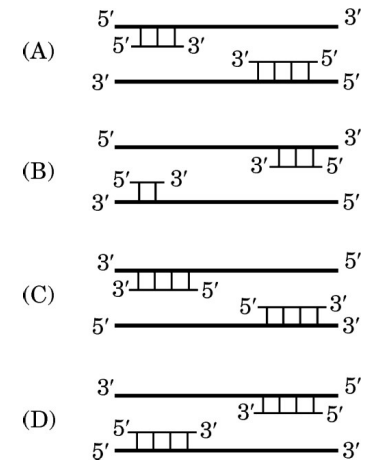
[1 Mark] Diagram 3 – CBSE Class 12 PCB Biology 2024 Set 3 Solutions
  • (A) Option D
  • (B) Option A
  • (C) Option B
  • (D) Option C
Explanation: Option A correctly shows the primers binding, or annealing, to the complementary sequences on the single DNA strands. According to the context, during the annealing step of PCR, short DNA primers attach to the single-stranded DNA at a temperature between 50–65°C, providing a starting point for DNA polymerase to extend the DNA in the 5' to 3' direction. The primers must bind to the complementary sequences flanking the target region, which is accurately represented by Option A.
Question 15.

The population growth curve applicable for a population growing in a geometric fashion, when the resources are not limiting in the habitat will be:
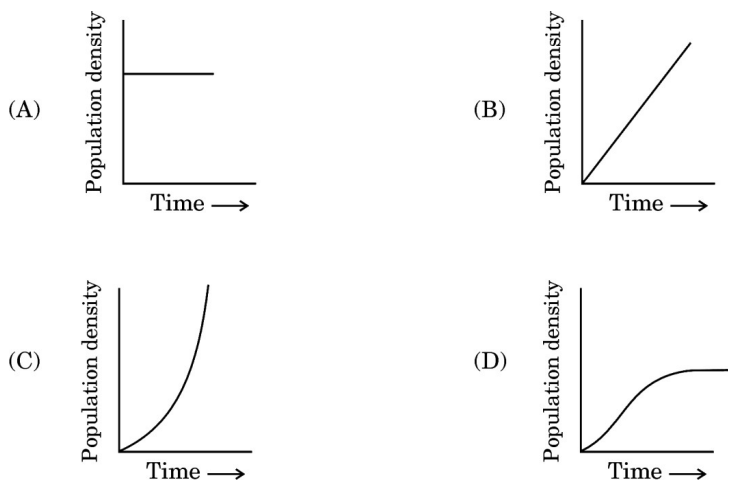
[1 Mark] Diagram 4 – CBSE Class 12 PCB Biology 2024 Set 3 Solutions
  • (A) Option C
  • (B) Option D
  • (C) Option B
  • (D) Option A
Explanation:

The correct answer is the exponential growth curve. In a geometric growth model, populations can grow without limits in their environment, leading to a rapid increase in population size over time, characterized by a J-shaped curve, which represents exponential growth under ideal conditions.

Question 16.

Assertion (A) : Primary transcripts in eukaryotes are subjected to splicing to remove the introns. Reason (R) : Primary transcripts contain both exons and introns and the introns are non-functional in eukaryotes.

[1 Mark]
  • (A) Both Assertion (A) and Reason (R) are true and Reason (R) is the correct explanation of the Assertion (A).
  • (B) Assertion (A) is false, but Reason (R) is true.
  • (C) Assertion (A) is true, but Reason (R) is false.
  • (D) Both Assertion (A) and Reason (R) are true, but Reason (R) is not the correct explanation of the Assertion (A).
Question 17.

Assertion (A) : The chronic use of alcohol by a person leads to cirrhosis. Reason (R) : Alcohol addiction at times becomes the cause of mental and financial distress to the entire family of the addicted person.

[1 Mark]
  • (A) Assertion (A) is false, but Reason (R) is true.
  • (B) Both Assertion (A) and Reason (R) are true, but Reason (R) is not the correct explanation of the Assertion (A).
  • (C) Assertion (A) is true, but Reason (R) is false.
  • (D) Both Assertion (A) and Reason (R) are true and Reason (R) is the correct explanation of the Assertion (A).
Explanation:

Question 18.

Assertion (A) : The zygote gives rise to heart-shaped embryo and subsequently proembryo in most angiosperms. Reason (R) : The zygote is present at the micropylar end of the embryo sac and develops into an embryo.

[1 Mark]
  • (A) Assertion (A) is false, but Reason (R) is true.
  • (B) Both Assertion (A) and Reason (R) are true, but Reason (R) is not the correct explanation of the Assertion (A).
  • (C) Both Assertion (A) and Reason (R) are true and Reason (R) is the correct explanation of the Assertion (A).
  • (D) Assertion (A) is true, but Reason (R) is false.
Explanation:

Question 19.

Assertion (A) : The stirrer facilitates the even mixing of oxygen availability in a bioreactor. Reason (R) : Stirred-tank bioreactors generally have a flat base.

[1 Mark]
  • (A) Assertion (A) is true, but Reason (R) is false.
  • (B) Assertion (A) is false, but Reason (R) is true.
  • (C) Both Assertion (A) and Reason (R) are true, but Reason (R) is not the correct explanation of the Assertion (A).
  • (D) Both Assertion (A) and Reason (R) are true and Reason (R) is the correct explanation of the Assertion (A).
Explanation:

Section C

Question 20. Oral contraceptives are widely accepted for controlling the increasing rate of population. Name the two important components of oral contraceptives.
[2 Marks]
Answer: The two important components of oral contraceptives are estrogen and progestin. Estrogen helps to regulate the menstrual cycle and is responsible for the development of female secondary sexual characteristics. Progestin, which mimics the hormone progesterone, helps to prevent ovulation and maintain the uterine lining. Together, they work to prevent pregnancy effectively.
Key Points: Estrogen-Progestin-Preventing Ovulation
Question 21. What is a vaccine? Write the basis on which it acts when administered in the body.
[2 Marks]
Answer: A vaccine is a biological preparation that provides immunity against a specific infectious disease. It typically contains an agent that resembles a disease-causing microorganism, often made from weakened or killed forms of the germ. When administered, vaccines stimulate the immune system to recognize the agent as a threat, remember it, and respond more effectively if exposed to the actual pathogen in the future, thereby preventing illness.
Key Points: biological preparation-immunity-agent resembling microorganism-stimulates immune system-remembers pathogen
Question 22.

Consider the given data of a hypothetical small portion of mRNA that codes for a functional polypeptide chain and answer the questions that follow :

mRNA 5 UCAUUACCACGAUUCUUUAAAAGA 3

(a) How many amino acids will be formed from the given codons, if substitution of U by C takes place at the 5th codon ? Explain your answer.

(b) Write the number of amino acids that would be in the polypeptide synthesised by a similar mRNA as above, where in the fourth ustify your answer.

[2 Marks]
Answer: The given mRNA sequence initially codes for amino acids based on its codons. Upon substituting U with C at the 5th codon (UCU changes to CCU), it alters the amino acid encoded from Serine (Ser) to Proline (Pro). Therefore, we still get a total of 6 amino acids before reaching the stop codon 'AAA' located at the end. The result of this substitution does not affect the number of amino acids formed in the polypeptide chain.
Key Points: Count the codons: 6 before stop codon - sequence change affects the amino acid without altering the total count.
Question 23.

With reference to the set-ups (A, B and C) given below, of the electrophoretic separation of a mixture of DNA fragments of varied lengths, answer the questions that follow :

(a) In which one of the two Set-ups, A or B, would you see the DNA fragments separated and why ? Justify your answer.

(b) In Set-up C, which one of the two, I / II, are the bands of longer fragments of DNA ? Justify your answer.
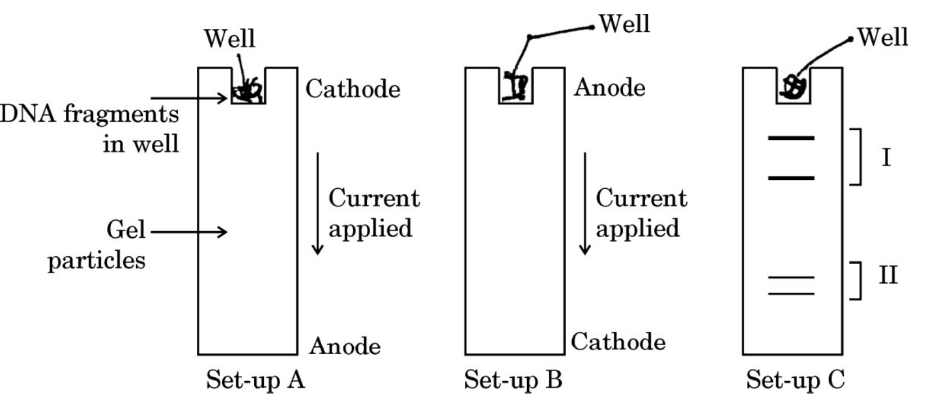
[2 Marks] Diagram 5 – CBSE Class 12 PCB Biology 2024 Set 3 Solutions
Answer: In Set-up A, we would see the DNA fragments separated. This is because DNA fragments are negatively charged; when an electric field is applied, they move towards the anode. Set-up B may not show separation if the gel concentration is not optimal or if the voltage is insufficient. In Set-up C, the longer fragments of DNA would be located in band II, as longer fragments migrate slower through the gel matrix than shorter ones.
Key Points: only separation occurs in A- DNA is negatively charged- longer fragments move slower in gel matrix
Question 24. Explain the decomposition cycle in a terrestrial ecosystem.
[2 Marks]
Answer: The decomposition cycle in a terrestrial ecosystem involves the breakdown of organic matter, usually dead plants and animals, by decomposers such as bacteria, fungi, and detritivores. These organisms convert complex organic substances into simpler inorganic materials, releasing nutrients back into the soil. This process enriches the soil, allowing plants to grow and absorb these nutrients, thus sustaining the ecosystem. Decomposition is essential for nutrient cycling and energy flow within the ecosystem.
Key Points: Role of decomposers-Essential for nutrient cycling-Process of breaking down organic matter
Question 25.

(i) Graphically represent the relationship between species richness and area on a log-log scale for bats and fishes. Write the equation for the relationship as on a logarithmic scale.

(ii) Write the equation for the relationship as on a logarithmic scale.

[2 Marks]
Answer: The relationship between species richness and area for bats and fishes can be represented on a log-log scale where the log of species richness is plotted against the log of area. This typically shows a linear relationship. The equation can be expressed as log(S) = log(c) + z * log(A), where S is species richness, A is area, c is a constant, and z is the slope of the line.
Key Points: Log-log scale visualization; Linear relationship; Equation: log(S) = log(c) + z * log(A)

Section D

Question 26.

Draw a longitudinal section of pistil of a flower showing growth of the pollen tube. Label the part :

(a) through which the pollen tube moves down.

(b) the cell wherein the pollen tube releases its contents.

[3 Marks]
Answer: In the longitudinal section of a flower's pistil, we can see the stigma, style, and ovary. The pollen tube, which is a part of the male gametophyte, emerges from the pollen grain that lands on the stigma. It grows down through the style, which is the structure labeled (a). As it reaches the ovary, it enters the ovule where the fertilization occurs. Here, in the ovule, the pollen tube releases its contents into the female gametophyte, which is labeled (b). This process is crucial for fertilization and the development of seeds.
Key Points: Pistil anatomy - Stigma, Style, Ovary - Pollen tube growth - Fertilization process - Ovule and contents release
Question 27.

Explain the IUI and IUT methods of assisted reproductive technologies.

[3 Marks]
Answer: Intrauterine Insemination (IUI) is a fertility treatment that involves placing sperm directly into a woman's uterus during ovulation, increasing the chances of fertilization. The process typically involves monitoring the ovulation cycle, preparing sperm in a laboratory, and timing the insemination precisely. This method is often used for unexplained infertility, cervical issues, or donor sperm. On the other hand, Intrauterine Transfusion (IUT) is a procedure used primarily in pregnancy, particularly for treating fetal anemia. It involves the transfusion of blood directly into the fetal circulation through the umbilical cord. IUT is essential in conditions like hemolytic disease of the fetus, where the fetus lacks healthy red blood cells. Both methods play crucial roles in reproductive medicine, addressing different fertility and prenatal challenges.
Key Points: IUI: sperm placed in uterus, enhances fertilization chances, used for unexplained infertility; IUT: transfusion of blood into fetus, treats fetal anemia, essential for hemolytic disease.
Question 28.

Three crosses were carried out in pea plants with respect to flower colour violet/white (V/v) and flower position axial/terminal (A/a). Study in the table the crosses 'a', 'b' and 'c' where parental phenotypes and their F₁ progeny phenotypes are given.

Find the genotypes of each of the parental pairs of crosses 'a', 'b' and 'c'.
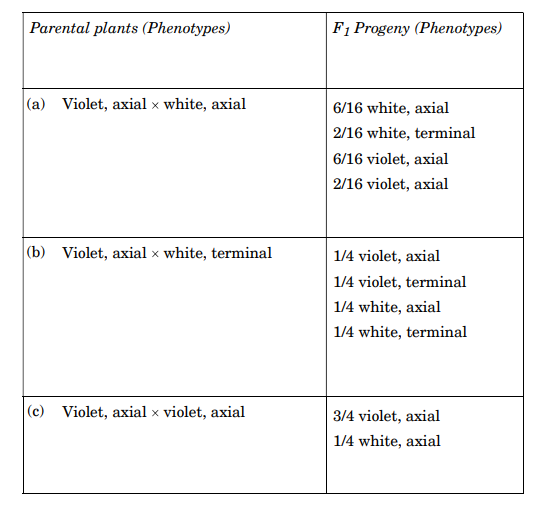
[3 Marks] Diagram 6 – CBSE Class 12 PCB Biology 2024 Set 3 Solutions
Answer: To determine the genotypes of the parental pairs from crosses 'a', 'b', and 'c', we analyze the inheritance patterns of flower color (V/v) and flower position (A/a). For cross 'a', if the parental plants are violet axial (V/A) and white terminal (v/a), the genotypes are likely VvAa and vvAa for the F1 generation. In cross 'b', assuming violet axial (V/A) and violet terminal (V/a) parents, the genotypes could be VvAa and VvAa. For cross 'c', with white axial (v/A) and white terminal (v/a) parents, both would be vvAA or vvAa. Thus, the genotypes vary depending on observed phenotypes and combinations.
Key Points: Identify parental phenotypes; Determine possible genotypes from observed F1 traits; Apply Mendelian inheritance for multiple traits
Question 29.

A population of snakes lived in a desert with brown sand. Study the drawings given below showing the change in the population from to over time and answer the question that follows. Brown snakes and Grey snakes are represented by alleles A/a (Dominant/recessive).

(a) If the frequency of the recessive trait is 9% in population-one, work out the frequency of homozygous dominant and heterozygous dominant snakes.

(b) Name the mechanism of evolution that must have operated so that population-two evolved from population-one.
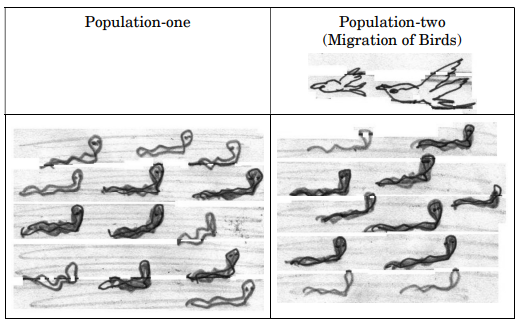
[3 Marks] Diagram 7 – CBSE Class 12 PCB Biology 2024 Set 3 Solutions
Answer: To determine the frequency of homozygous dominant (AA) and heterozygous (Aa) snakes in the first population, we can use the Hardy-Weinberg principle. The frequency of the recessive trait, represented by allele 'a', is 9% (0.09). To find the frequency of homozygous recessive individuals (aa), we square the frequency of 'a': q² = 0.09. Therefore, q = √0.09 = 0.3. To find p (the frequency of the dominant allele A), we use p + q = 1; thus, p = 1 - 0.3 = 0.7. The frequencies of homozygous dominant (AA) and heterozygous (Aa) can be calculated: AA = p² = (0.7)² = 0.49 (49%) and Aa = 2pq = 2(0.7)(0.3) = 0.42 (42%). Therefore, the frequencies of the genotypes are 49% homozygous dominant, 42% heterozygous, and 9% homozygous recessive. The mechanism of evolution for the change from population one to population two is likely natural selection, as the adaptation to the brown sand environment would favor brown-colored snakes.
Key Points: Hardy-Weinberg principle, frequency of homozygous recessive, calculate with p and q, calculate AA and Aa frequencies, natural selection as mechanism of evolution
Question 30.

(i) List two major reasons for using cow-dung in a biogas plant instead of using domestic sewage.

(ii) Mention one use of the unspent slurry of the biogas plant.

[3 Marks]
Answer: Two major reasons for using cow-dung in a biogas plant instead of domestic sewage are: firstly, cow-dung has a higher percentage of organic matter, which can produce more biogas efficiently than domestic sewage. Secondly, cow-dung is more easily available in rural areas, making it a convenient and sustainable resource for biogas production. One use of the unspent slurry from the biogas plant is as an effective organic fertilizer for improving soil fertility in agricultural practices.
Key Points: Higher organic matter in cow-dung; More efficient biogas production; Cow-dung is easily available; Unspent slurry as organic fertilizer
Question 31.

Name the bioactive molecule and its microbial source generally used by physicians to treat the patients for :

(i) Myocardial infarction

(ii) High blood cholesterol level

(iii) Organ transplantation

[3 Marks]
Answer: For myocardial infarction, physicians commonly use the bioactive molecule Streptokinase, which is produced by the bacterium Streptococcus. This enzyme helps in dissolving blood clots, improving blood flow to the heart. To manage high blood cholesterol levels, Statins, particularly Atorvastatin, derived from the fungus Aspergillus, are often prescribed. Statins inhibit cholesterol synthesis, thereby reducing overall cholesterol levels in the bloodstream. In organ transplantation, immunosuppressant drugs like Cyclosporine, derived from the fungus Tolypocladium inflatum, are utilized to prevent organ rejection by the immune system.
Key Points: Streptokinase-Streptococcus (myocardial infarction)-Atorvastatin-Aspergillus (high cholesterol)-Cyclosporine-Tolypocladium inflatum (organ transplantation)
Question 32.

(i) Give the scientific name of the bacteria widely used in biotechnology to create a GM cotton crop resistant to bollworm attacks.

(ii) Explain how GM cotton crop is able to resist insect attacks.

[3 Marks]
Answer: The scientific name of the bacteria used to create genetically modified (GM) cotton resistant to bollworm attacks is Bacillus thuringiensis, commonly referred to as Bt. The GM cotton is engineered to express a specific protein from this bacterium, which is toxic to certain pests, including bollworms. When the bollworm feeds on the cotton plant, it ingests the Bt toxin, which then disrupts the insect's digestive system, causing it to stop feeding and eventually die. This built-in pest resistance helps in reducing the reliance on chemical insecticides, thereby promoting sustainable agricultural practices and increasing crop yield.
Key Points: Bacillus thuringiensis; GM cotton engineering; Bt toxin mechanism; pest resistance; reducing chemical insecticide reliance; sustainable agriculture
Question 33.

Describe how fig tree and wasp relationship is a spectacular example of mutualism.

[3 Marks]
Answer: The relationship between fig trees and wasps exemplifies mutualism through a unique and reciprocal interaction. Female wasps enter the fig's specialized flowers to lay their eggs. In doing so, they inadvertently pollinate the fig, allowing it to produce seeds. This mutual benefit is crucial since each fig species is pollinated by a specific wasp species, ensuring reproductive success for both. In return, the developing wasp larvae feed on some of the fig’s seeds, illustrating the tight co-evolution of these two species. This interdependence showcases how evolution has shaped their relationship, making it a spectacular example of mutualism in nature.
Key Points: 1. Female wasps pollinate the fig while laying eggs. 2. Fig trees provide developing seeds as food for wasp larvae. 3. Each fig species is pollinated by its specific wasp species. 4. Represents co-evolution between two species.

Section E

Question 34.

(i) Explain any four devices that flowering plants have developed to encourage cross-pollination.

(ii) Why do plants discourage self-pollination ? State any one reason.

[5 Marks]
Answer: Flowering plants have evolved various mechanisms to promote cross-pollination, crucial for genetic diversity and adaptability. Firstly, many plants exhibit dioecy, where male and female flowers are on separate plants, ensuring that pollen must be transferred between individuals. Secondly, some species have temporal separation of male and female reproductive parts, known as dichogamy, which prevents self-pollination by maturing at different times. Thirdly, the structure of flowers is designed so that pollinators can access them effectively, facilitating cross-pollination; this includes different flower shapes and colors to attract specific pollinators. Lastly, some plants produce odors or nectar that lure pollinators, further promoting cross-pollination. On the other hand, plants discourage self-pollination to avoid inbreeding, which can lead to a decrease in genetic variability and vigor, potentially increasing susceptibility to diseases and reducing adaptability to environmental changes.
Key Points: Dioecy promotes cross-pollination; Dichogamy prevents self-pollination; Flower structure attracts pollinators; Production of odors or nectar aids in cross-pollination; Discouragement of inbreeding decreases genetic variability.
Question 35.

Explain the ovarian and uterine events taking place along with the role of pituitary and ovarian hormones, during menstrual cycle in a normal human female under the following phases :

  1. Follicular phase/proliferative phase

  2. Luteal phase/secretory phase

  3. Menstrual phase

[5 Marks]
Answer: The menstrual cycle, approximately 28 days, comprises three main phases: the follicular (proliferative) phase, luteal (secretory) phase, and menstrual phase. In the follicular phase, FSH from the pituitary stimulates ovarian follicles to mature, leading to estrogen production. Estrogen promotes thickening of the endometrium in the uterus. Around Day 14, a surge in LH triggers ovulation. The luteal phase follows, characterized by the corpus luteum forming and secreting progesterone, maintaining the endometrial lining. If fertilization does not occur, progesterone levels drop, leading to vasoconstriction of the uterine vessels. Consequently, the menstrual phase begins, marking the shedding of the endometrial lining accompanied by menstrual bleeding. Throughout these phases, the interplay of hormones ensures coordination between ovarian and uterine events, crucial for reproductive health.
Key Points: Follicular phase begins with FSH stimulation, leading to estrogen secretion; endometrium thickens in response to estrogen; LH surge leads to ovulation; luteal phase involves corpus luteum and progesterone secretion to maintain endometrium; menstrual phase signifies the shedding of the uterine lining due to hormonal drop.
Question 36.

The influence of both the alleles in a heterozygous state is clearly expressed in codominance." Explain with the help of inheritance of ABO blood group in humans.

[5 Marks]
Answer: Codominance is a genetic phenomenon where both alleles in a heterozygous state fully express their traits without blending. The ABO blood group system in humans is an excellent example of codominance. It consists of three alleles: A, B, and O. Individuals inherit one allele from each parent, resulting in four possible blood types: A (AA or AO), B (BB or BO), AB (AB), and O (OO). In individuals with blood type AB, both A and B alleles are expressed equally, leading to the presence of both A and B antigens on the surface of red blood cells. This is unlike incomplete dominance, where traits blend, as seen in flower color inheritance. Here, both alleles maintain their identities, demonstrating how codominance operates. The importance of codominance in blood type identification can also be crucial in medical situations, especially in blood transfusions, as introducing incompatible blood types can lead to severe reactions. Thus, the ABO blood group inheritance not only illustrates the principle of codominance but also emphasizes its practical implications in healthcare.
Key Points: Definition of codominance-ABO blood group system-Three alleles A, B, O-Example of blood types: A, B, AB, O-Codominance in AB blood type-Essential for medical applications
Question 37.

A group of genes are regulated and expressed together as a unit in lac operon.

(i) "Explain the mechanism of switching 'on' of the structural genes of lar operon.

(ii) "Regulation of lac operon' is referred to be negatively regulated. Justify giving a reason.

[5 Marks]
Answer: The lac operon, found in E. coli, consists of three structural genes: lacZ, lacY, and lacA. These genes are transcribed as a single mRNA. The mechanism of switching 'on' these genes occurs in the presence of lactose. When lactose is available, it is converted to allolactose, which acts as an inducer. Allolactose binds to the lac repressor protein, causing a conformational change that prevents the repressor from binding to the operator region of the operon. This allows RNA polymerase to access the promoter and initiate transcription of the structural genes, leading to the production of enzymes necessary for lactose metabolism. The negative regulation refers to the lac repressor's role, which inhibits transcription when lactose is absent. This ensures that the genes are only expressed when lactose is present, conserving energy for the bacteria. Thus, the operon is an excellent example of how bacteria can regulate gene expression based on environmental triggers.
Key Points: Structure of lac operon; Role of lactose and allolactose; Action of the lac repressor; Induction of transcription; Negative regulation concept
Question 38.

(i) Describe the life cycle of Plasmodium from the time it enters the human body till a female Anopheles mosquito bites an infected person.

(ii) Mention the two events of Plasmodium life cycle that occur within the female Anopheles body.

[5 Marks]
Answer: (i) Life cycle of Plasmodium from entering human body till mosquito bites an infected person:
Plasmodium enters the human body when an infected female Anopheles mosquito bites a person and injects sporozoites into the bloodstream. These sporozoites travel to the liver and invade liver cells where they multiply asexually and form merozoites. The liver cells burst, releasing merozoites into the bloodstream. These merozoites invade red blood cells and multiply inside them, causing the cells to burst and infect more red blood cells. Some merozoites develop into sexual forms called gametocytes (male and female). When a female Anopheles mosquito bites this infected person, it sucks blood containing these gametocytes, thus completing this part of the cycle.
(ii) Two events that occur within female Anopheles mosquito:
1. Gametocytes ingested by the mosquito develop into male and female gametes in the stomach of the mosquito and fertilize to form a zygote.
2. The zygote develops into motile ookinetes which penetrate the stomach wall and form oocysts. Inside the oocysts, many sporozoites are formed which migrate to the salivary glands of the mosquito, making it infectious and ready to transmit malaria again.
Key Points: Sporozoites enter human bloodstream - Merozoites formed in liver and infect red blood cells - Gametocytes develop in human blood - Gametocytes ingested by mosquito - Fertilization and formation of zygote in mosquito - Formation of sporozoites stored in mosquito salivary glands
Question 39.

(i) Write two differences between malignant tumor and benign tumor.

(ii) Explain any three diagnostic techniques for the detection of cancer.

[5 Marks]
Answer: Cancer can manifest in different forms, primarily categorized as benign or malignant tumors. The first significant difference between them is their behavior; benign tumors are non-cancerous and typically remain localized, posing little threat since they do not invade surrounding tissues or metastasize. Conversely, malignant tumors are invasive, proliferating rapidly and spreading to nearby tissues or organs, leading to severe health complications. Another key distinction lies in their potential threat; benign tumors can generally be managed or removed surgically with minimal risk, whereas malignant tumors require aggressive treatment strategies, including chemotherapy and radiation, due to their aggressive nature. For cancer detection, various diagnostic techniques are employed. Biopsy is crucial, where a sample of tissue is removed and examined histopathologically to identify cancerous cells. Imaging techniques such as CT scans and MRIs are vital for visualizing the extent of tumors in internal organs. Additionally, blood tests can detect unusual cell counts indicative of certain cancers, such as leukemia, thereby facilitating early diagnosis and treatment.
Key Points: Difference in behavior of tumors; benign tumors are localized, while malignant tumors invade surrounding tissues. Difference in treatment; benign tumors can be surgically removed, whereas malignant tumors often require chemotherapy and radiation. Diagnostic techniques include biopsy for histopathological analysis, imaging techniques like CT and MRI for internal visualization, and blood tests for abnormal cell counts.

Paper Details

CBSE Board Exam 2024

Class

Class 12 PCB

Subject

Biology

Year

2024

Set

Set 3

Other Years — Biology

2022 Set-1

2022 Set-2

2022 Set-3

2022 Set-4

2022 Set-5

2023 Set-1

2023 Set-3

2023 Set-5

2024 Set-1

2024 Set-2

2024 Set-3

2024 Set-4

2024 Set-5

2025 Set-1

2025 Set-2

2025 Set-3

2025 Set-4

2025 Set-5

2025 Set-6

CBSE Class 12 Biology 2024 Set 3 Solutions | Prepzy