Class 7 . Social Science . Exploring Society India and Beyond Part II . Turning Tides 11th and 12th Centuries
Chapter 4: Turning Tides: 11th and 12th Centuries
Ch 4
Social Science
Class 7
Introduction
A Period of Transition
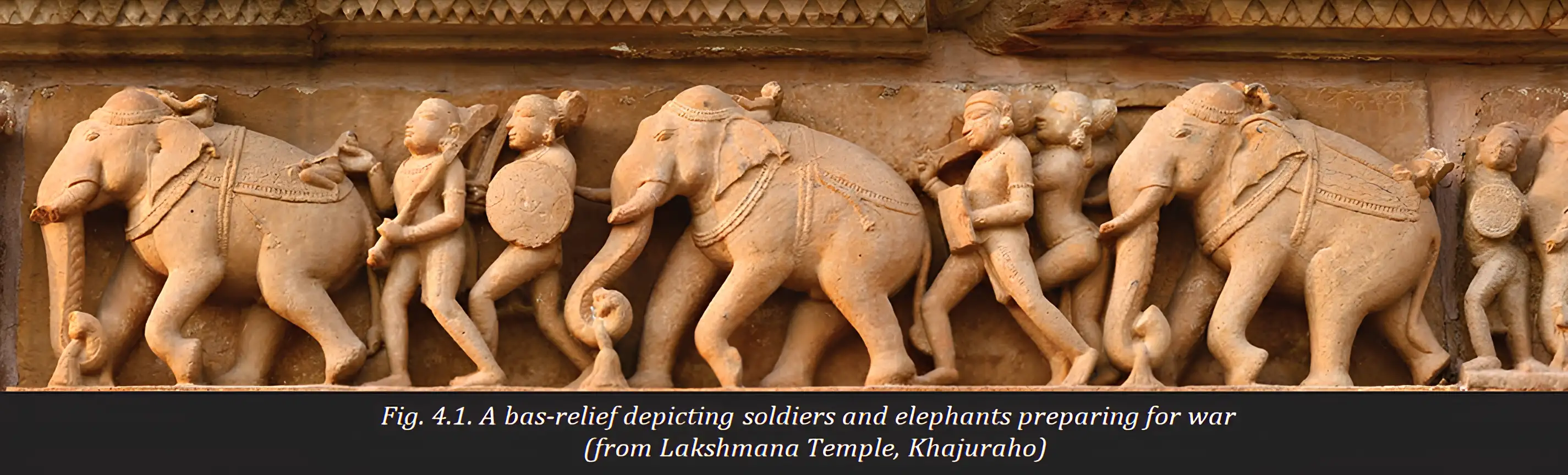
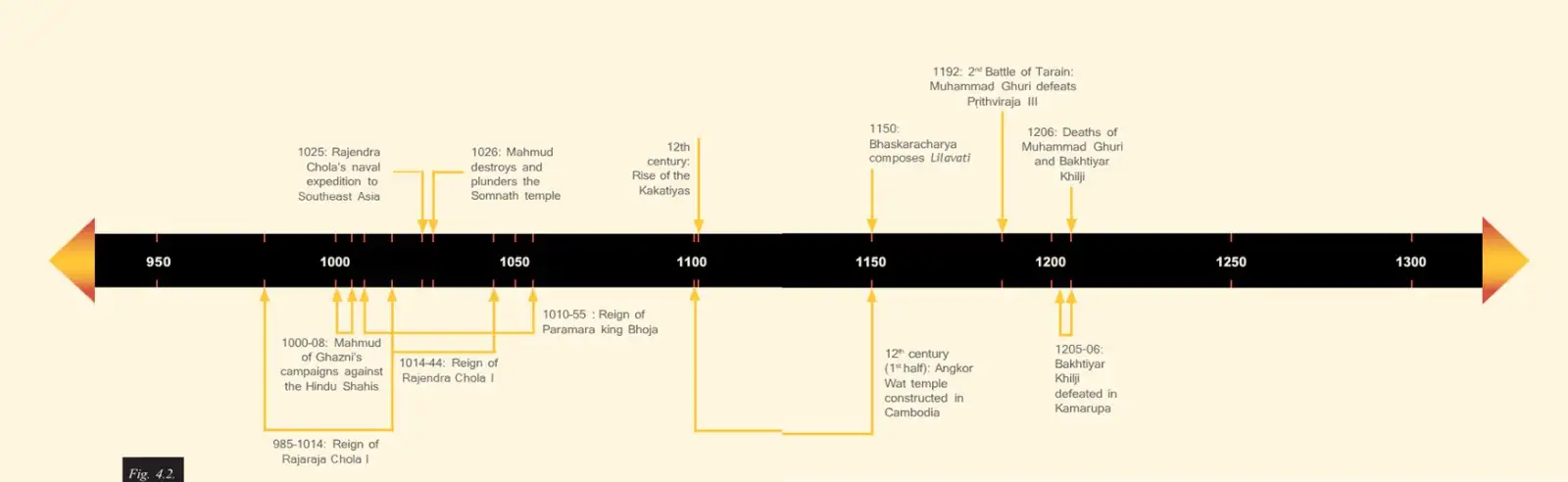
Conflict, Destruction and Historical Understanding
- Turkic
- Relating to peoples, languages and cultures historically associated with a vast region from Central Asia to Turkey and Siberia.
- Transition
- A period of significant change, here involving invasions, resistance, political activity and cultural accomplishments.
Why are the 11th and 12th centuries presented as a period of transition?
Quick recap
- Turkic incursions reached deeper into north India than earlier Arab incursions had.
- Native kingdoms resisted the invaders, though they also fought among themselves.
- Rulers undertook naval expeditions and extended India’s influence abroad.
- The period produced notable monuments and contributions by poets, philosophers, saints and scientists.
- Studying conflict should be balanced with recognition of creativity and should not be used to blame people today.
The Ghaznavid Invasions Part-1
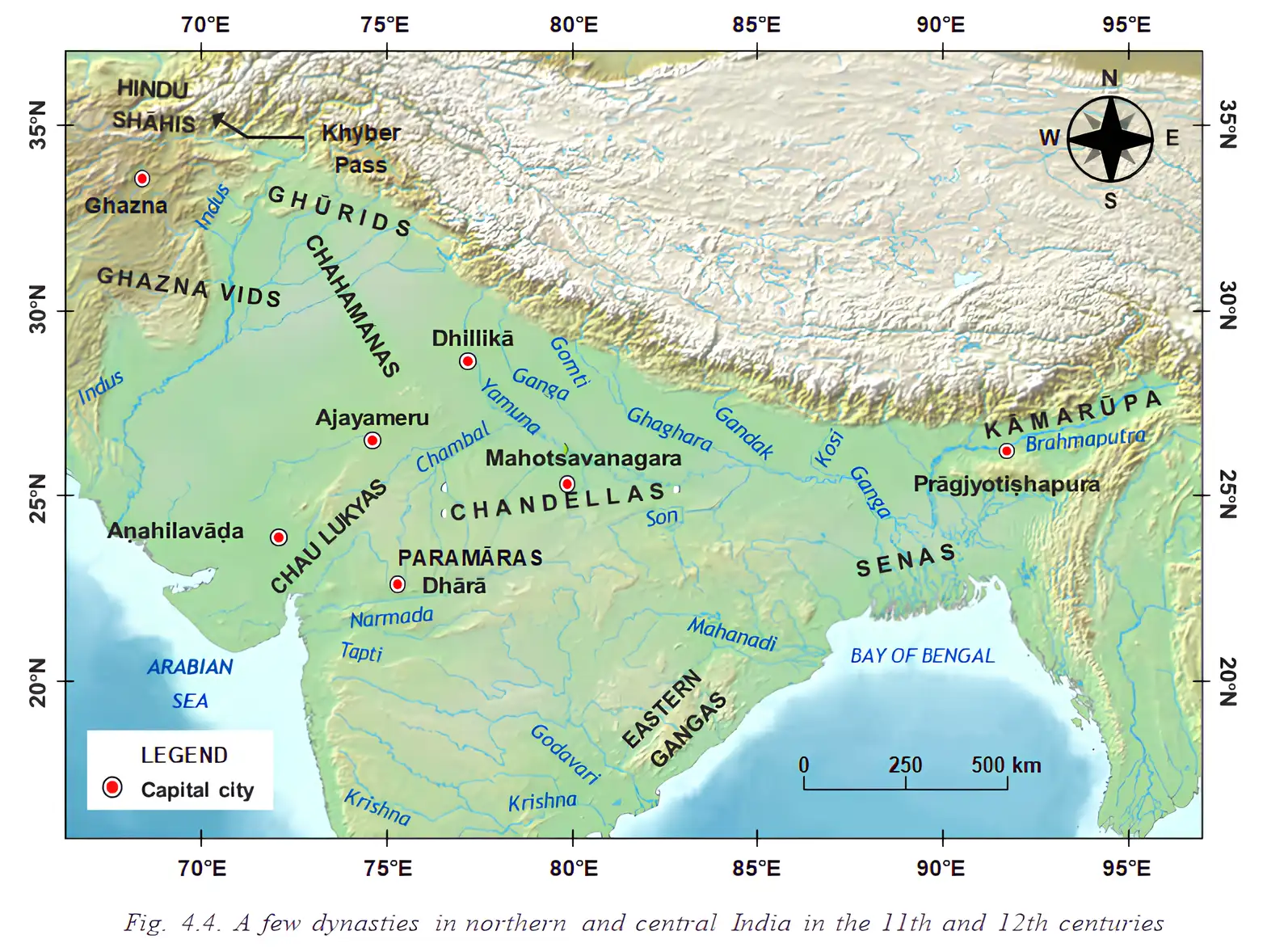
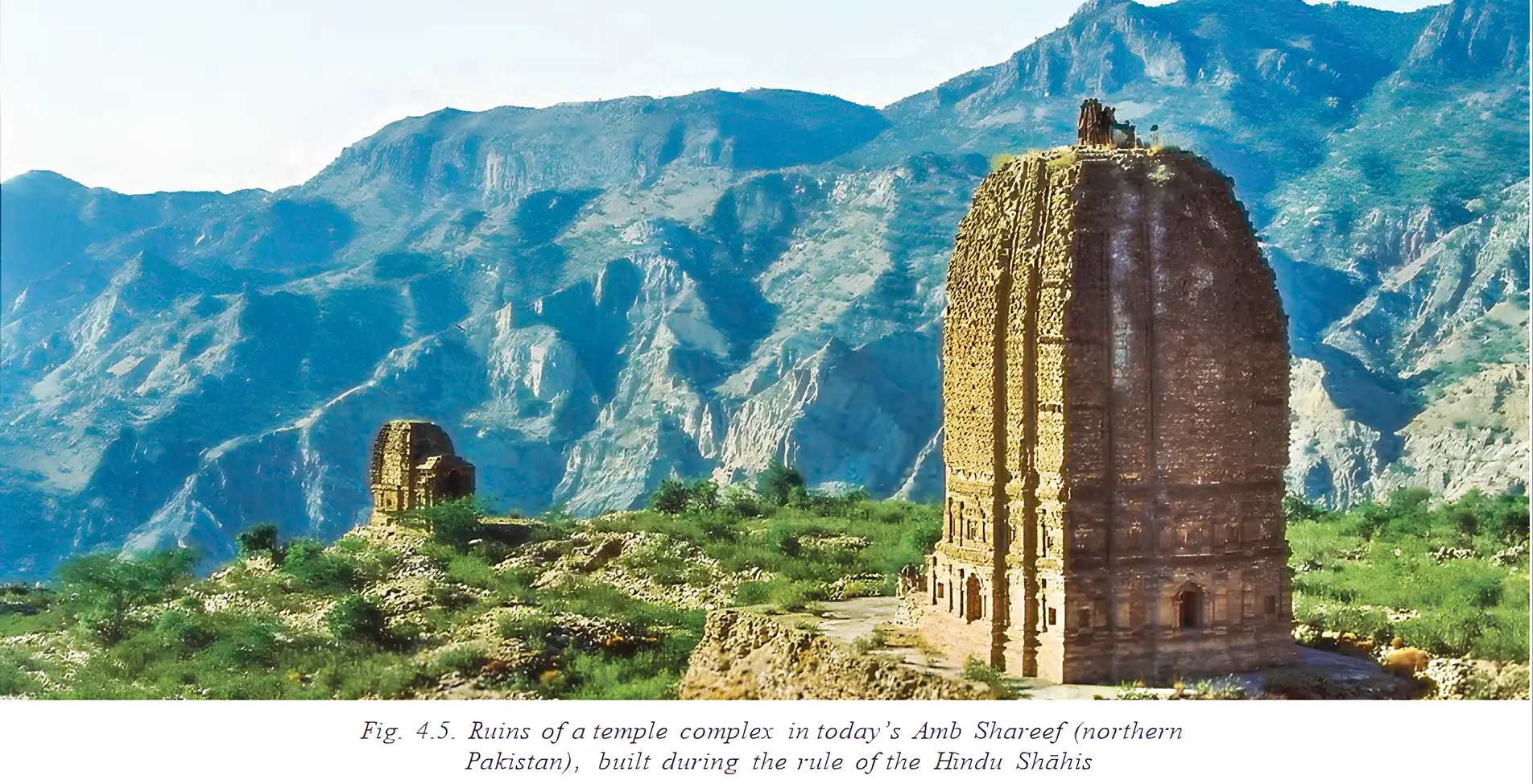
The Hindu Shahis and the Khyber Pass
The Shahis and their strategic position
- Hindu Shahis: A powerful dynasty that ruled parts of present-day Afghanistan, northern Pakistan and Punjab during the 9th and 10th centuries.
- Resistance: With help from other Indian rulers, the Shahis resisted several attempted invasions.
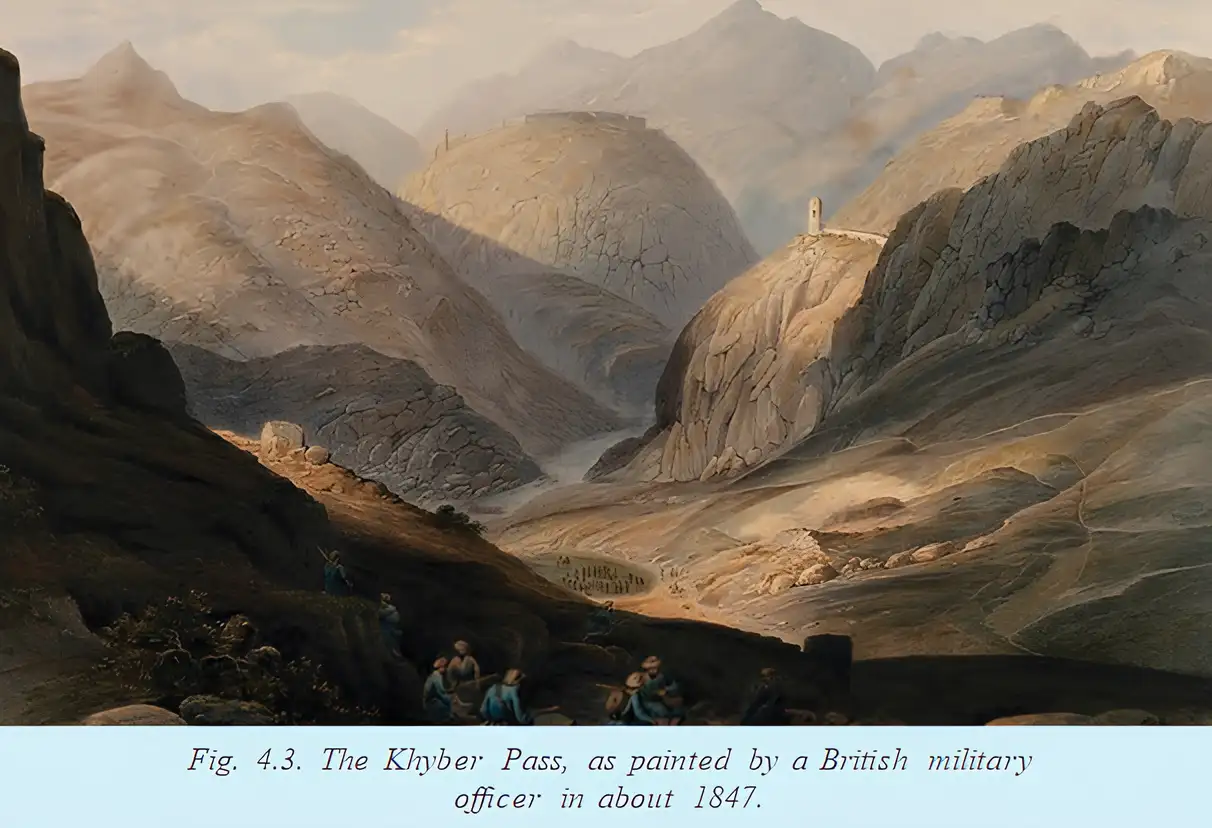
- Khyber Pass: A major mountain route through the Hindu Kush, connecting the Subcontinent with Central Asia and beyond for at least 2,500 years.
- Importance: The pass was used by invading armies, traders, Buddhist scholars and monks.
Ghaznavid conquest of the Shahis
Mahmud’s victory and its consequences
- Ghaznavids: A Turkic power whose capital, Ghazna, is modern Ghazni in Afghanistan; after defeating a rival Muslim kingdom, they overran the Shahis.
- Mahmud: In the first decade of the 11th century, he defeated Jayapala and completed the conquest of the Shahis.
- Battle of 1008: Mahmud defeated Jayapala’s son Anandapala in northern Punjab after a long battle, despite Anandapala’s support from several north Indian rulers.
- Result: The victory gave Mahmud easier access to the Indus plains and regions beyond.
| Evidence | Interpretation | |
|---|---|---|
| Al-Biruni on the Hindu Shahis | He wrote that the dynasty was extinct, but praised its rulers’ noble character and commitment to doing what was right. | A scholar who accompanied Mahmud could still acknowledge virtues in the dynasty Mahmud defeated. |
Mahmud’s campaigns in India
Sultan — A title from Arabic meaning authority or power; in the Muslim world, it came to mean a sovereign ruler or king.
Campaigns, title and military tactics
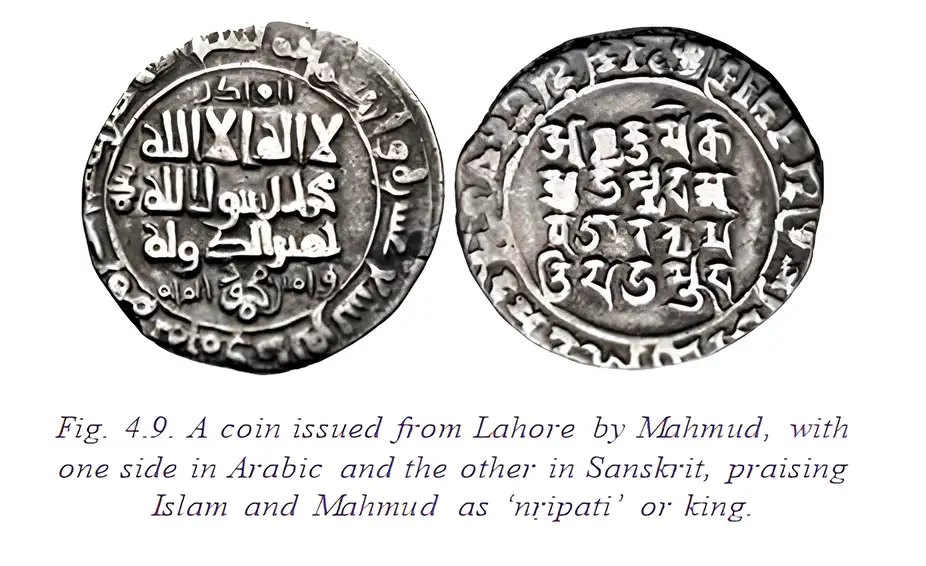
- Title: Mahmud assumed the title of sultan.
- Campaigns: He conducted 17 campaigns in India and returned to Ghazni with large amounts of booty after each.
- Resistance: The Chandellas of central India and other rulers resisted; Mahmud was close to defeat on some occasions.
- Tactics: Rapid marches and daring cavalry attacks, including archers on horseback, helped his large army prevail.
| Place and date | What happened |
|---|---|
| Mathura, 1018 | Mahmud found a wealthy city with a magnificent temple overlooking it; he destroyed the temple and plundered its treasure. |
| Kannauj | He surprised one of the last Pratihara rulers, then looted and destroyed many temples. |
| Gujarat and Somnath | After several days of fighting, strong local resistance and severe army losses, Mahmud gained the upper hand, destroyed the Somanatha Shiva temple and looted its enormous treasures. |
Accounts of Mathura and Somnath
- Mathura: Mahmud’s court historian al-Utbi said the temple’s beauty and decoration were beyond the description of writers or painters.
- Somnath: The temple was in a bustling seaport in Saurashtra and contained enormous treasures.
Later events and the human cost
After Mahmud’s campaigns
- Somnath temple: It was rebuilt and destroyed several times in later centuries. The present temple was built in 1950 and inaugurated in 1951 by President Rajendra Prasad.
- Salar Masud: Around the time Mahmud died, his nephew attacked the Gangetic region. Oral history and a 17th-century Muslim chronicle say that ruler Suheldev resisted him at Bahraich and Masud fell in battle.
- Civilian suffering: Mahmud’s campaigns involved plunder, the killing of tens of thousands of Indian civilians and the capture of prisoners, including children, for sale in Central Asian slave markets.
- Ruthlessness: His biographers portrayed him as a powerful but cruel general who targeted Hindus, Buddhists and Jains, as well as believers from rival Islamic sects.
Key dates
- 9th–10th centuriesThe Hindu Shahis ruled parts of Afghanistan, northern Pakistan and Punjab.
- First decade of the 11th centuryMahmud defeated Jayapala and completed the conquest of the Shahis.
- 1008Mahmud defeated Anandapala in northern Punjab.
- 1018Mahmud campaigned at Mathura.
- 1030Mahmud died in Ghazni at the age of 58.
- Khyber Pass
- A strategic mountain route through the Hindu Kush linking the Subcontinent with Central Asia and beyond.
- Ghaznavids
- The Turkic dynasty based at Ghazna, modern Ghazni, whose ruler Mahmud led campaigns into India.
- Sultan
- A sovereign ruler; the title derives from an Arabic word meaning authority or power.
- Booty
- Valuables seized during a campaign or raid.
Quick recap
- The Hindu Shahis ruled parts of Afghanistan, northern Pakistan and Punjab and helped resist invasions through the strategic Khyber Pass.
- Mahmud defeated Jayapala and Anandapala; his 1008 victory opened easier access to the Indus plains.
- Mahmud assumed the title of sultan and conducted 17 campaigns, using rapid marches and cavalry attacks despite resistance.
- His campaigns included temple destruction and plunder at Mathura, Kannauj and Somnath.
- Accounts describe civilian deaths, enslavement and attacks on people from different religious communities.
- Oral history and a 17th-century chronicle say Suheldev resisted Salar Masud at Bahraich.
The Ghaznavid Invasions Part-2
Al-Biruni
Impact of Mahmud’s campaigns on knowledge
- Al-Biruni’s observation: Mahmud’s campaigns damaged India’s prosperity and disrupted its scientific traditions.
- Displacement: Al-Biruni said scholars and scientific learning moved away from conquered areas towards places such as Kashmir and Varanasi.
Bhaskaracharya
Mahmud’s campaigns and their motives
- Limits of conquest: Mahmud did not establish a permanent base in India beyond Punjab.
- Plunder: Historians have often identified the wealth of temples as a major target; large temples held offerings accumulated over centuries.
- Religious motive: Contemporary accounts also describe Mahmud destroying temples and building mosques in conquered territories.
| Evidence | Interpretation | |
|---|---|---|
| Plunder | Temples could contain great wealth from devotees’ offerings. | Historians have often considered plunder a chief motive for temple destruction. |
| Religious policy | Al-Utbi described temple destruction, the taking of captives and booty, and mosques built in place of sacred buildings. | The campaigns also aimed to spread Mahmud’s version of Islam. |
| Somnath | Al-Biruni recorded that Mahmud had the shivalinga broken and transported to Ghazni; part was placed before a mosque. | The account shows the destruction and public humiliation of a sacred image. |
Key dates and periods
- Around 1017Al-Biruni accompanied Mahmud of Ghazni on his campaign into India.
- 1114Bhāskara II was born, probably in present-day Maharashtra.
- Mughal periodSeveral of Bhāskarāchārya’s works were translated into Persian.
- Khwarizm
- Al-Biruni’s homeland, in present-day Uzbekistan.
- Lilavati
- Bhāskarāchārya’s work teaching basic mathematics through problems.
- Bijaganita
- Bhāskarāchārya’s work on advanced algebra.
- Siddhantashiromani
- Bhāskarāchārya’s treatise on mathematical astronomy.
What did al-Biruni contribute to the study of Indian knowledge?
Name Bhāskarāchārya’s three famous works and their subjects.
What motives have been suggested for Mahmud’s destructive campaigns?
Quick recap
- Al-Biruni studied Indian texts and scholarship after accompanying Mahmud to India around 1017.
- He recorded that Mahmud’s campaigns disrupted prosperity and drove scientific learning towards areas such as Kashmir and Varanasi.
- Bhāskarāchārya’s major works cover basic mathematics, algebra and mathematical astronomy.
- His clear, engaging works influenced students and scholars over a long period.
- Mahmud’s campaigns are explained in terms of both temple plunder and religious aims.
- Al-Utbi and al-Biruni provide contemporary evidence about destruction, while historians interpret the motives behind it.
Eastern India Part-1
The Sena Dynasty
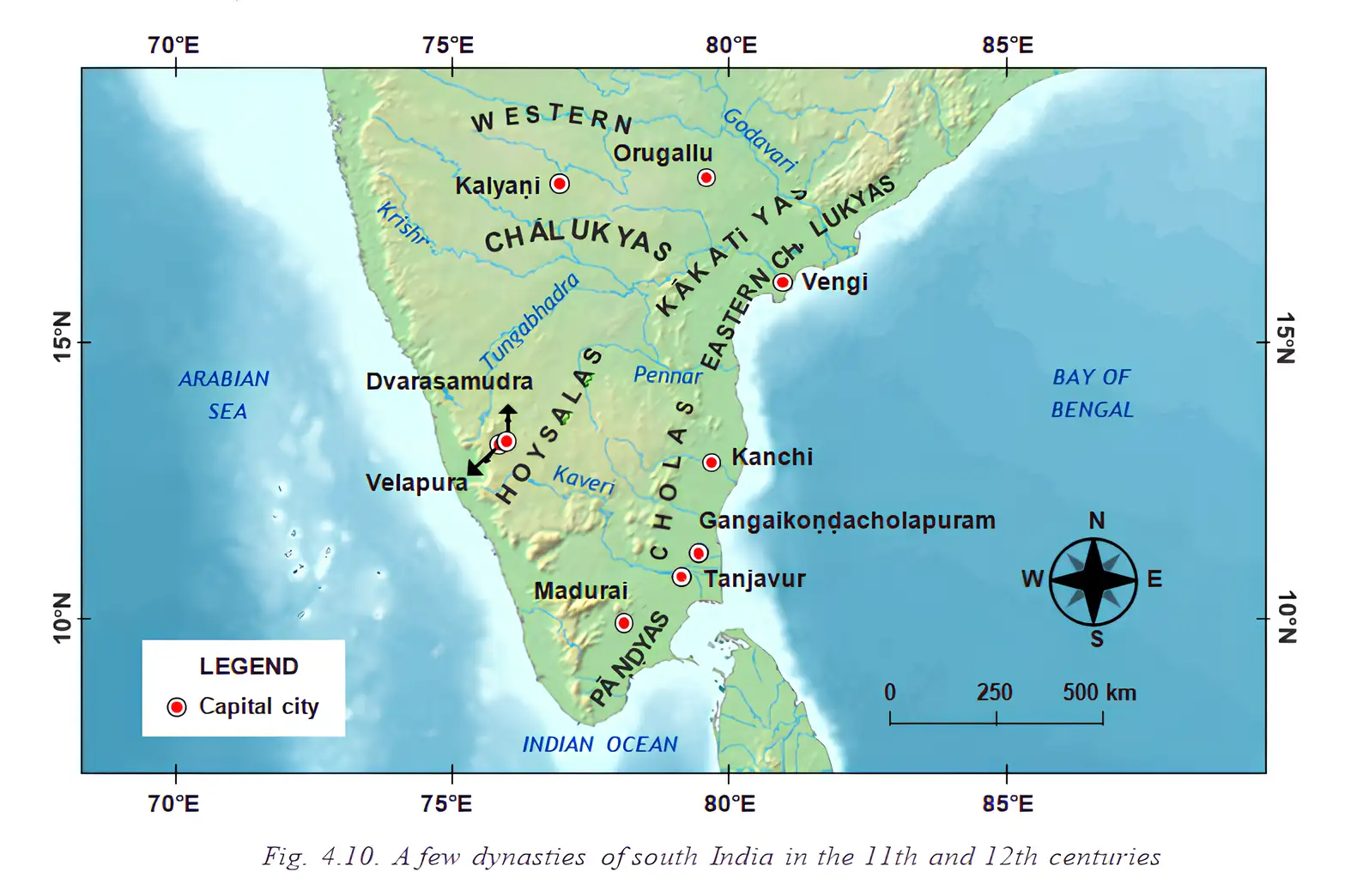
- Rise and territory: After the decline of the Palas, the Senas became the dominant power over much of Bengal.
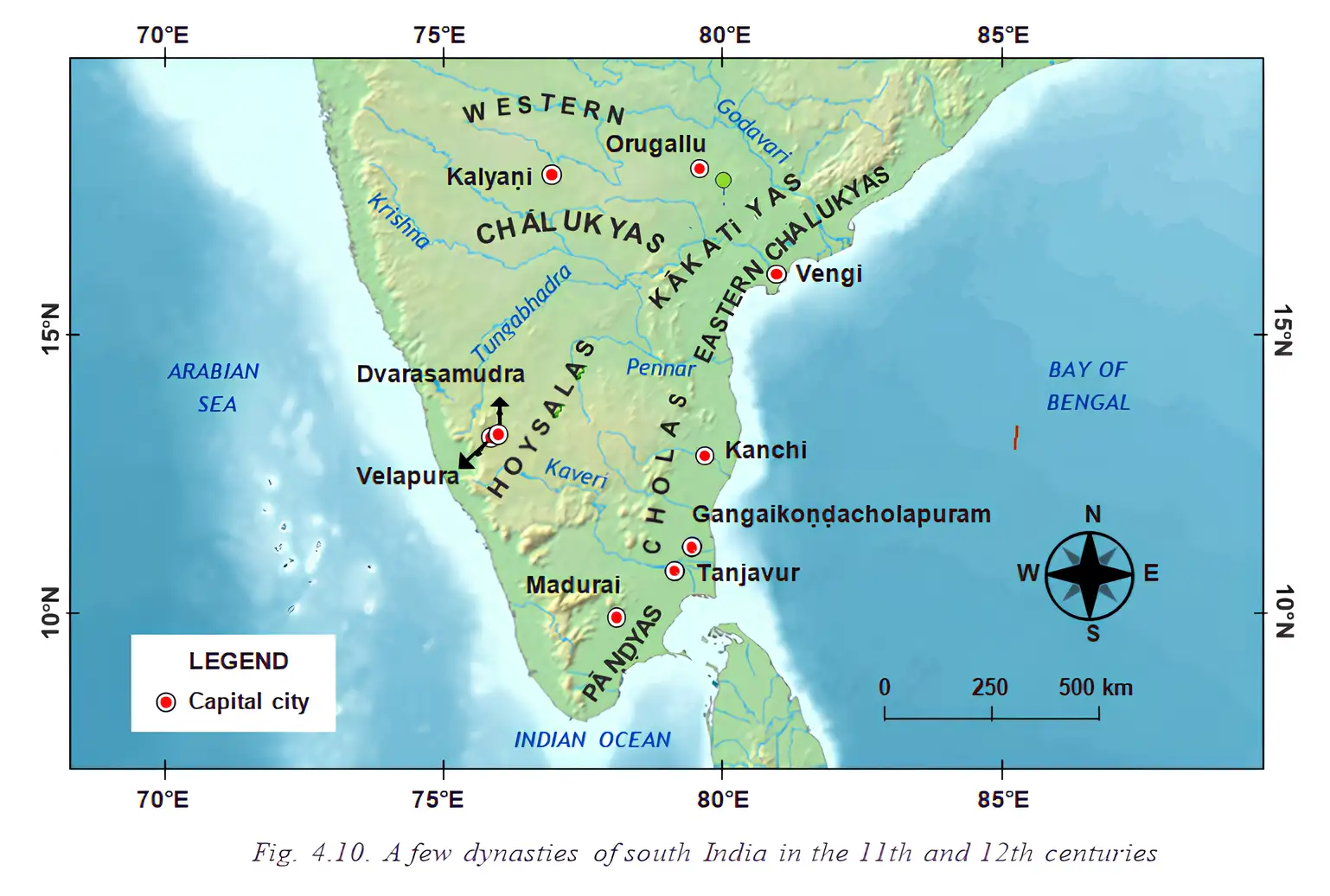
- Capital: Their capital was Nadiya, in present-day Nadia district near the Bangladesh border.
- Neighbours: Relations with Kamarupa (Assam) and Kalinga (roughly present-day Odisha) shifted between friendship and conflict.
- Patronage: Unlike the Buddhist institutions supported by the Palas, the Senas promoted Hindu thought and literature.
- Literature: The Sena court hosted poets such as Jayadeva, author of *Gitagovindam*, about Krishna and Radha.
| Point | Palas | Senas |
|---|---|---|
| Main patronage | Buddhist institutions | Hindu thought and literature |
The Eastern Gangas of Kalinga
- Political ties: The Eastern Gangas formed marriage alliances with the Cholas, but also fought them and other neighbours.
- Extent and stability: By the end of the 12th century, they had become one of eastern India’s most stable powers; inscriptions claimed their realm stretched “from the Ganga to the Godavari.”
- Architecture: The dynasty began construction of the Jagannatha temple at Puri and, in the mid-13th century, the grand Sun temple at Konark.
Eastern Ganga Milestones
- By the end of the 12th centuryThe Eastern Gangas had become one of eastern India’s most stable powers.
- Mid-13th centuryThe Eastern Gangas initiated construction of the Sun temple at Konark.
Further South: Chalukyas and Their Successors
| Point | Western Chalukyas | Eastern Chalukyas |
|---|---|---|
| Capital | Kalyani (Kalyana) | Vengi |
| Position | Major Deccan power; at one point its rule reached the Narmada River | Gradually drawn into the Chola sphere of influence through marriage alliances |
| Key conflict | Fought the Cholas over Vengi and its fertile surrounding region | Vengi and its region became the object of Chola–Western Chalukya wars |
Changing Powers in the Deccan
- Marriage alliances brought the Eastern Chalukyas into the Chola sphere of influence.
- Vengi and its fertile region became contested between the Cholas and Western Chalukyas.
- The Western Chalukyas weakened and faded away.
- The Kakatiyas and Hoysalas grew stronger and eventually replaced them.
The Kakatiyas
- Territory and capital: In the 12th century, the Kakatiyas established authority over much of present-day Telangana and Andhra Pradesh, with their capital at Orugallu (modern Warangal).
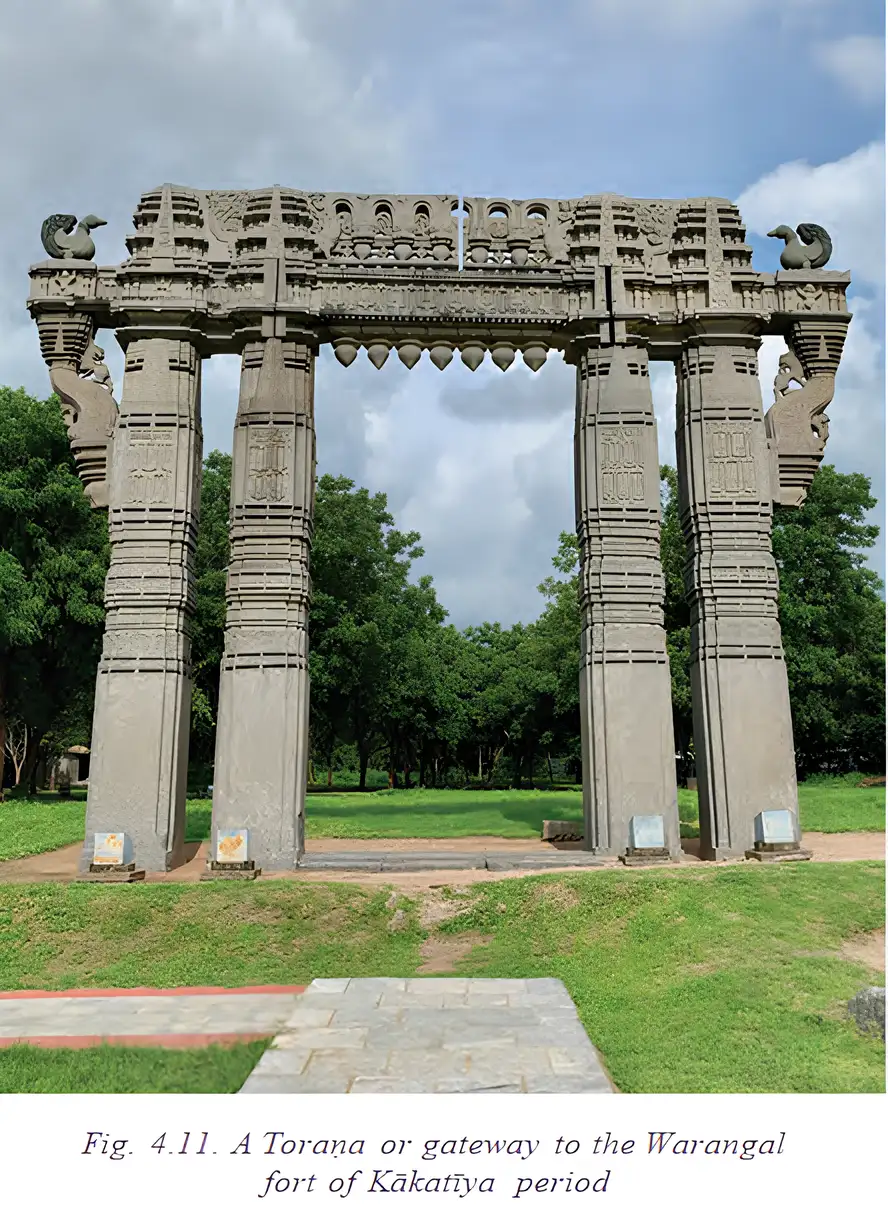
- Fort architecture: They built a fort at Orugallu with impressive stone toraṇas, or gateways.
- Literature and temples: Some Kakatiya kings composed works in Sanskrit and patronised Telugu literature; the Thousand Pillar temple at Hanamkonda is a notable architectural example.
- Administration: They encouraged strong local administration based on village self-governance and developed an efficient revenue system.
- Agriculture: Irrigation infrastructure supported agricultural prosperity.
- Nadiya
- Capital of the Sena dynasty, in present-day Nadia district.
- Vengi
- Eastern Chalukya capital and a fertile region contested by the Cholas and Western Chalukyas.
- Toraṇa
- An ornamental gateway; the Kakatiyas built stone toraṇas at Warangal Fort.
- Village self-governance
- Local administration in which villages manage their own affairs.
How did the Kakatiyas support agricultural prosperity?
Quick recap
- The Senas became the dominant power over much of Bengal after the decline of the Palas and promoted Hindu thought and literature.
- The Eastern Gangas grew into a stable eastern Indian power by the end of the 12th century and initiated major temple construction.
- The Cholas and Western Chalukyas fought over Vengi as the Eastern Chalukyas entered the Chola sphere of influence.
- As the Western Chalukyas declined, the Kakatiyas and Hoysalas grew stronger.
- The Kakatiyas ruled much of present-day Telangana and Andhra Pradesh from Orugallu and supported literature, temples, local administration and irrigation.
Eastern India Part-2
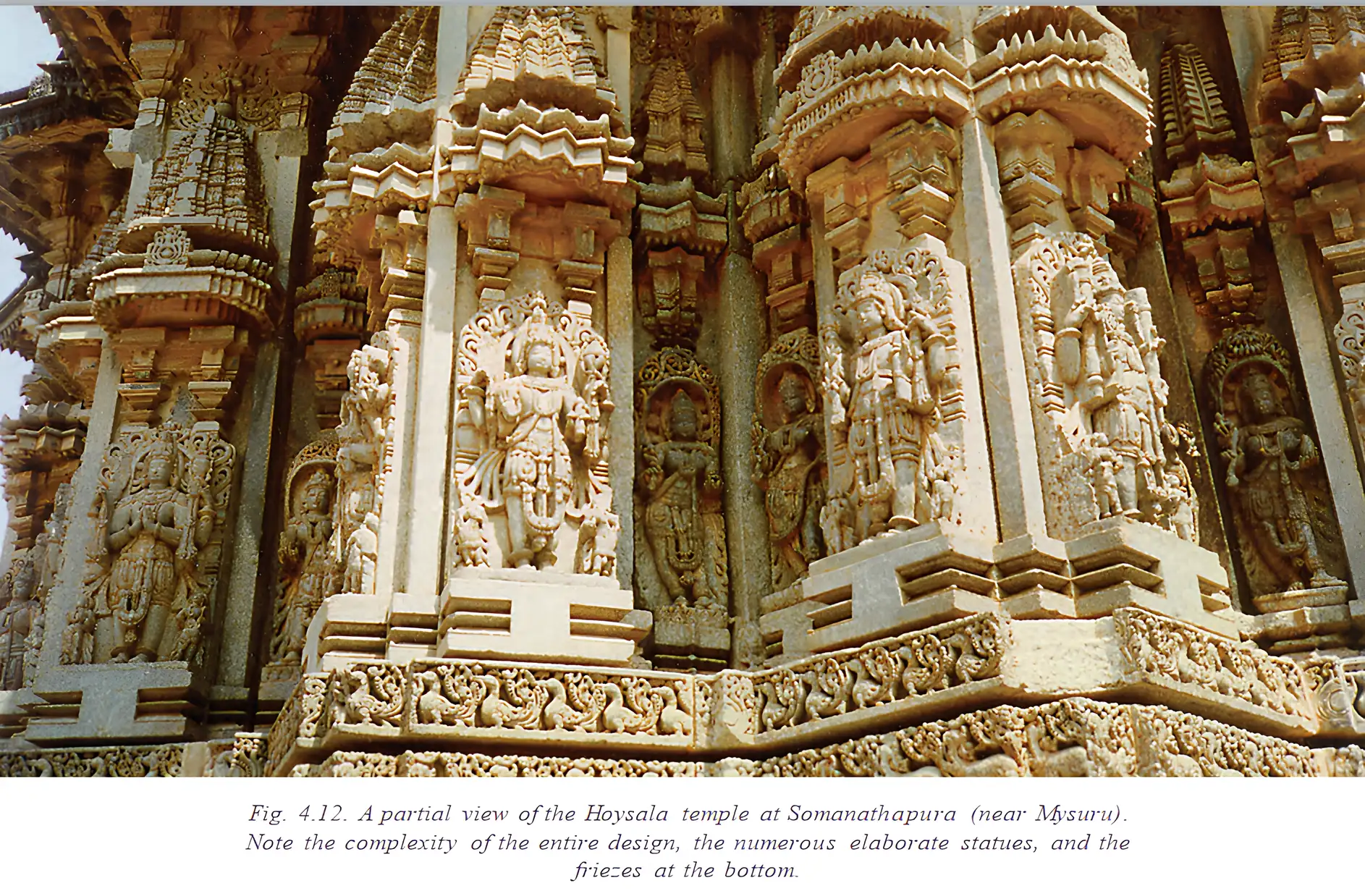
The Hoysalas
The Cholas: Masters of the Seas
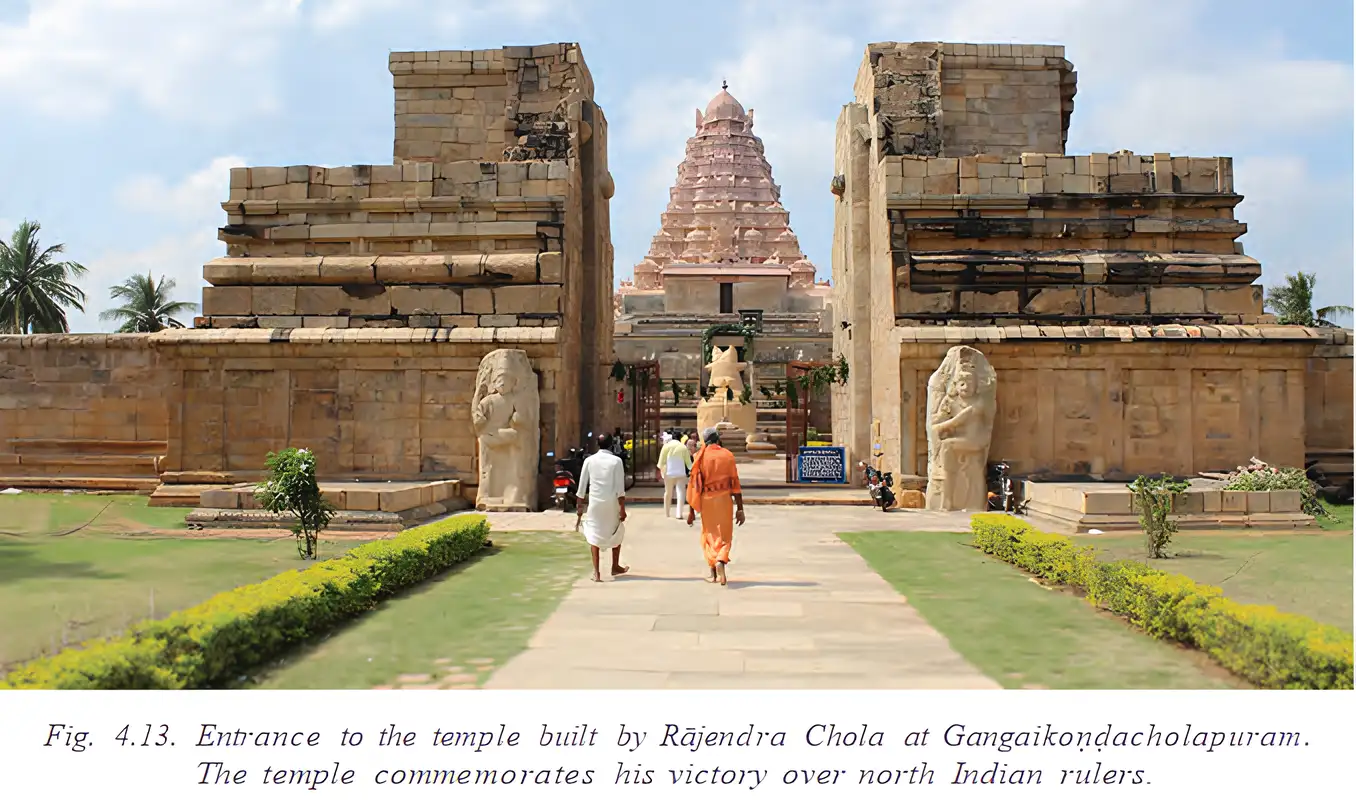
Rajendra Chola I and the Expansion of the Empire
Naval Expedition against Shrivijaya
Why the Cholas attacked Shrivijaya
- Chola trade with China expanded.
- A major sea route passed through the Strait of Malacca.
- The Shrivijaya king controlled this route.
- Control of the route created competition with the Cholas, leading Rajendra to send a naval expedition.
Cultural Links and Relations
- Regional ties: Chola relations with Shrivijaya and Sri Lanka included cultural exchange and peaceful connections as well as conflict.
- Shared heritage: Shrivijaya rulers supported Nalanda, while links between India and Sri Lanka were strengthened through marriage alliances.
Public Works and the Decline of the Cholas
The Chola Empire’s decline
- Frequent and extensive conflicts with neighbouring kingdoms.
- Wars drained the Chola treasury.
- The empire weakened and shrank considerably by the 13th century.
- The Pandyas eventually absorbed the remaining Chola Empire.
Key Dates and Periods
- From 985Rajaraja Chola ruled for about three decades.
- About half a centuryNorthern Sri Lanka remained part of the Chola Empire after Rajendra’s expansion, until Vijayabahu I drove the Cholas out.
- By the 13th centuryThe Chola Empire had greatly shrunk and was absorbed by the Pandyas.
- Shaivite
- A follower of Shaivism, a tradition centred on the worship of Shiva.
- Vihara
- A Buddhist monastery.
- Strait of Malacca
- A narrow sea passage between Malaysia and the Indonesian island of Sumatra.
- Merchant guild
- An organised association of merchants.
Why did Rajendra Chola I launch a naval expedition against Shrivijaya?
State two causes of the decline of the Chola Empire.
Quick recap
- The Hoysalas originated in southern Karnataka and developed a distinctive style of richly carved temple architecture.
- Under Vishnuvardhana, the Hoysalas broke from Chālukya overlordship and extended their control over much of present-day Karnataka.
- Rajaraja Chola expanded Chola power, conquered northern Sri Lanka and built the Brihadishvara temple at Thanjavur.
- Rajendra Chola I conquered parts of Odisha and Bengal and led a naval expedition against Shrivijaya.
- Chola–Shrivijaya relations also included cultural links and peaceful exchanges, including support for a monastery at Nalanda.
- Public works benefited the kingdom, but repeated wars drained the treasury and contributed to the Chola decline.
Back to the North Part-1
The Paramaras
Rise and rule
- Origins: The Paramaras were originally vassals of the Pratiharas and Rashtrakutas.
- Independent power: In the second half of the 10th century, they became independent in Malwa, in present-day Madhya Pradesh.
- Capital: Their capital was Dhara, present-day Dhar.
- Bhoja’s campaigns: Bhoja extended his kingdom from the Konkan coast to parts of Rajasthan and sent forces to help the Hindu Shahi rulers against Mahmud of Ghazni.
The Paramaras and Bhoja
- Second half of the 10th centuryThe Paramaras emerged as an independent power in Malwa.
- 1010Bhoja began his reign, which lasted almost half a century.
- 1055Bhoja died; the Paramaras gradually declined afterwards.
The Paramara decline
- Bhoja’s death in 1055
- Conflicts with neighbouring powers
- Gradual decline of the Paramaras
Bhoja: The Scholar-King
| Point | Bhoja Paramara | Bhoja of the Gurjara-Pratiharas |
|---|---|---|
| Dynasty | Paramara | Gurjara-Pratihara |
| Period | Ruled from 1010 | Lived in the 9th century |
Governance and public works
- Governance: Bhoja was known as an efficient ruler and supported public works.
- Bhojpur and the lake: He is credited with founding Bhojpur and building a vast lake between Bhojpur and Bhopal by harnessing the waters of several rivers.
- Purpose and remains: The lake supported irrigation and water management; only a small part, called Bhojtal, remains near present-day Bhopal. Earthen or stone embankments can still be seen farther away.
- Bhopal’s name: It is linked to “Bhojpal,” meaning Bhoja’s dam or fort.
- Temple: Bhoja built the impressive Bhojeshwar Temple, an architectural marvel that was never completed.
Learning and literature
- Patronage: Bhoja supported scholars and promoted Sanskrit literature; arts and sciences flourished under his patronage.
- Centre of learning: His capital attracted scholars, poets and artists from across India.
- Scholar and author: Bhoja wrote on many subjects, including architecture, town planning, temple construction, sculpture, mechanical devices, governance, Sanskrit poetics and medicine.
- Major work: *Samarangana Sutradhara* is a long treatise on architecture, town planning, temple construction, sculpture and mechanical devices.
- Other writings: Works attributed to Bhoja include treatises on governance and Sanskrit poetics, a commentary on Patanjali’s *Yogasutras*, and medical texts.
- Legacy: Bhoja’s reputation as a wise, learned ruler inspired many stories and folk tales.
- Vassal
- A subordinate ruler who acknowledges the authority of a more powerful ruler.
- Malwa
- A region in present-day Madhya Pradesh where the Paramaras established their independent power.
- Bhojtal
- The small remaining portion of the large lake built by Bhoja near present-day Bhopal.
- Samarangana Sutradhara
- Bhoja’s treatise on architecture, planning, construction, sculpture and mechanical devices.
Describe Bhoja’s contributions to public works and learning.
Quick recap
- The Paramaras became independent in Malwa in the second half of the 10th century, with Dhara as their capital.
- Bhoja ruled from 1010 for almost half a century, expanded his kingdom and aided the Hindu Shahis against Mahmud of Ghazni.
- After Bhoja’s death in 1055, conflicts with neighbouring powers contributed to the Paramaras’ gradual decline.
- Bhoja’s public works included a vast lake near Bhojpur and the unfinished Bhojeshwar Temple.
- Bhoja patronised learning and wrote on many subjects; works attributed to him include a commentary on Patanjali’s Yogasutras.
Back to the North Part-2
The Ghurids rise to power
From Ghaznavid decline to Ghurid expansion
- Ghaznavid decline: After Mahmud of Ghazni, attacks weakened the Ghaznavid Empire until it disintegrated.
- Ghur: Its chiefs, formerly Ghaznavid vassals, took control of Ghazni and built their own power.
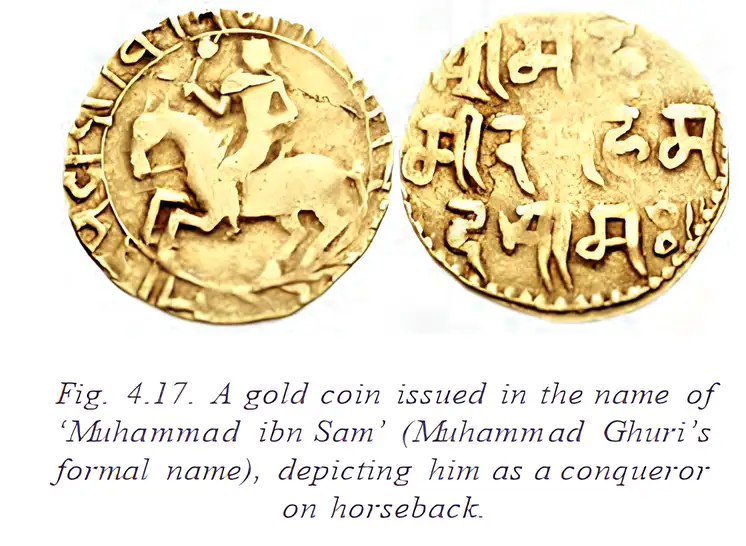
- Muhammad of Ghur: Also called Muhammad Ghuri, he brought parts of Punjab and Sindh under his rule.
- Territorial ambition: Unlike Mahmud, who raided and withdrew, Muhammad Ghuri aimed to conquer and hold territory.
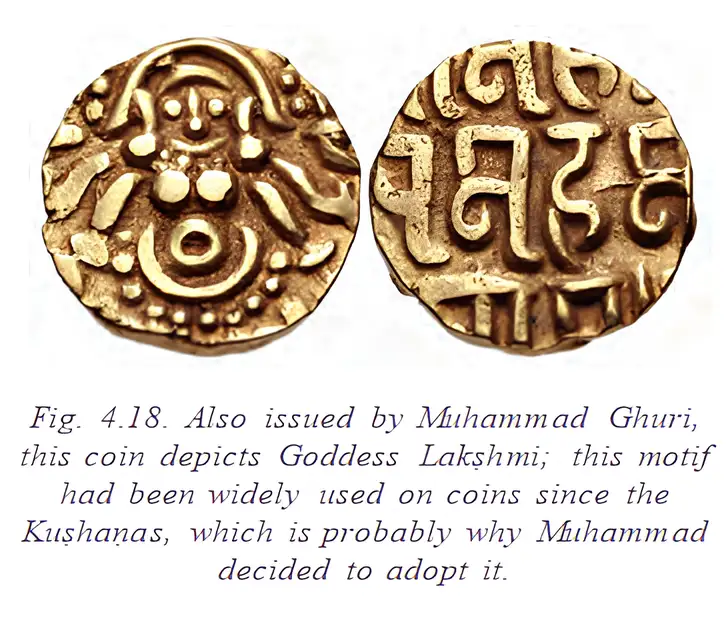
The Chaulukyas and Chahamanas
Regional kingdoms and the 1178 defeat
- Chaulukyas: Also known as Solankis or Chalukyas of Gujarat, they ruled parts of Gujarat and Rajasthan from the 10th to 13th centuries.
- Capital: The Chaulukya capital was Anahilavada, present-day Patan. This dynasty was distinct from the Deccan Chalukyas.
- Ghurid defeat: Muhammad Ghuri’s attempt to enter Gujarat failed in 1178, when he was defeated near Mount Abu by the Chaulukya king Mularaja II.
- Chahamanas: Also called Chauhans, this Rajput dynasty ruled from Ajayameru (Ajmer) and expanded across Rajasthan, Delhi, Haryana, and parts of Punjab and Uttar Pradesh.
- Delhi: Chahamana inscriptions called the city Dhillika; the name later became Dhilli and then Delhi.
| Evidence | Interpretation | |
|---|---|---|
| Battle | Sources record Muhammad Ghuri’s defeat near Mount Abu. | The victory was against his Gujarat campaign. |
| Who led the army? | Merutunga, a Jain scholar, wrote over a century later that Queen Naikidevi led the army, with her son Mularaja II in her lap. | Historians differ on whether Naikidevi or Mularaja II should receive credit; the defeat itself is recorded. |
The Battles of Tarain and Ghurid control
Prithviraja III and Muhammad Ghuri
- Prithviraja III: Often called Prithviraj Chauhan, he fought neighbouring rulers, including the kings of Gujarat and Malwa.
- First Battle of Tarain (1191): Prithviraja defeated Muhammad Ghuri at Tarain, present-day Taraori in Haryana.
- Second Battle of Tarain: Muhammad returned within a year with a larger army, defeated Prithviraja, and executed him.
- After Tarain: Muhammad Ghuri captured Delhi, then returned to Ghazni, leaving trusted commanders to secure his gains.
- Qutb-ud-din Aibak: Muhammad’s general expanded Ghurid control despite strong resistance in north India; he later founded the Delhi Sultanate.
| Point | Mahmud of Ghazni | Muhammad Ghuri |
|---|---|---|
| Aim in India | Raided for plunder, then withdrew. | Sought territorial conquest and lasting control. |
| After leaving | His empire later weakened and disintegrated. | Left commanders, including Qutb-ud-din Aibak, to consolidate territory. |
Bakhtiyar Khilji and the eastern campaigns
Bihar, Bengal, and Nalanda
- Bakhtiyar Khilji: Also called Bakhtiyar Khalji, he was a commander under Aibak and campaigned in eastern India from the end of the 12th century.
- Bihar and Bengal: His campaigns conquered these regions and involved the destruction of major Buddhist centres, including Nalanda and Vikramashila.
- Historical account: Minhaj al-Siraj Juzjani wrote about the campaign around 60 years later, describing a captured college, its books, and inhabitants with shaved heads.
- Identifying the college: The clues point to Nalanda Mahavihara: a Buddhist monastery and college; the inhabitants described as “Brahmans” were likely Buddhist monks.
- Impact: Historians of Buddhism broadly agree that the destruction of large learning centres helped precipitate Buddhism’s decline in India, though other factors also contributed.
Nalanda’s library and its aftermath
- Library: Nalanda’s famous collection held lakhs of manuscripts across three multi-storey buildings; Chinese pilgrims Yijing and Xuanzang studied there and took manuscripts to China.
- After the attack: The library is said to have burned for months. Tibetan scholars fled to Tibet carrying as many manuscripts as they could.
- Later visit: About three decades afterwards, Tibetan monk Dharmasvamin found Nalanda partly ruined.
- Final teaching: A 90-year-old teacher, Rahula Shribhadra, was still teaching a class of about 70 students.
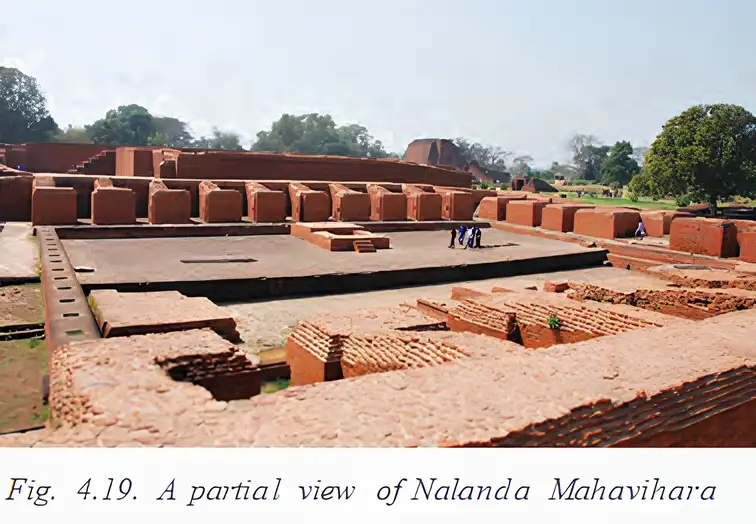
The eastern campaigns end
Bengal, Kāmarūpa, and the end of the commanders
- Nadiya (1203–04): Bakhtiyar surprised the Sena ruler and ended Sena control over much of Bengal.
- Tibet expedition: Bakhtiyar’s reasons for attempting an expedition into Tibet are unclear.
- Defeat in Kāmarūpa (1205): Local forces inflicted severe losses; people reportedly destroyed food and fodder, starving the invading army. Bakhtiyar escaped with few men and returned to Bengal weakened.
- Deaths (1206): Muhammad Ghuri was killed, and Bakhtiyar Khilji was assassinated, apparently by his own men.
- Aftermath: Muhammad’s north Indian territories remained under the control of his generals.
Key dates
- 1178Mularaja II’s forces defeated Muhammad Ghuri near Mount Abu.
- 1191Prithviraja III defeated Muhammad Ghuri at the First Battle of Tarain.
- Within a year of 1191Muhammad Ghuri won the Second Battle of Tarain and executed Prithviraja.
- End of the 12th centuryBakhtiyar Khilji campaigned in eastern India, conquering Bihar and Bengal.
- 1203–04Bakhtiyar surprised the Sena ruler at Nadiya.
- 1205Kāmarūpa’s forces defeated Bakhtiyar’s army during its march towards Tibet.
- 1206Muhammad Ghuri was killed and Bakhtiyar Khilji was assassinated.
- Ghurids
- Rulers from Ghur who took Ghazni and expanded into parts of north India.
- Chaulukyas
- Also called Solankis; the dynasty ruling parts of Gujarat and Rajasthan, distinct from the Deccan Chalukyas.
- Chahamanas
- Rajput dynasty also known as Chauhans, with its capital at Ajayameru (Ajmer).
- Dhillika
- Name used for Delhi in Chahamana inscriptions.
- Mahavihara
- A large Buddhist monastery and centre of learning; Nalanda was known as Nalanda Mahavihara.
How did Muhammad Ghuri’s approach to India differ from Mahmud of Ghazni’s?
What happened at the two Battles of Tarain?
How did Bakhtiyar Khilji’s campaigns affect Nalanda and Buddhism in India?
Quick recap
- The Ghurids rose as the Ghaznavid Empire weakened and pursued territorial conquest in India.
- Muhammad Ghuri was defeated in Gujarat in 1178, but later defeated Prithviraja III at the Second Battle of Tarain.
- Qutb-ud-din Aibak and other commanders consolidated Ghurid gains in north India.
- Bakhtiyar Khilji conquered Bihar and Bengal and his campaigns destroyed major Buddhist centres, including Nalanda.
- Bakhtiyar’s expedition through Kāmarūpa failed in 1205; both he and Muhammad Ghuri died in 1206.
Governance, Trade and Cultural Life
Governance and the Needs of Warfare
Why powerful kingdoms needed efficient administration
- Armies: Warfare required rulers to pay soldiers and provide weapons, horses, elephants and, in parts of north India, camels for carrying supplies.
- Revenue: Administrations collected tribute from vassals and taxes from traders to support the army and kingdom.
- Muhammad Ghuri: His more centralised system gave officers temporary land assignments in return for collecting revenue and providing military service.
- Later development: This system was developed further during the Delhi Sultanate.
How warfare shaped administration
- Frequent warfare → rulers needed large armies.
- Large armies → high costs for soldiers, weapons and transport animals.
- High costs → kingdoms needed efficient systems to collect tribute and taxes.
Trade, Agriculture and Irrigation
Trade and the economic base
- Overseas trade: Trade with China and Southeast Asia continued to grow despite political disturbances.
- Evidence: Coins and pottery from these regions have been found at many sites on India’s west coast.
- Ports and ships: The west coast had many seaports and shipyards that built seafaring ships.
- Guilds: Powerful trade guilds supported brisk trade within India and overseas.
- Agriculture: Trade grew, but agriculture remained the mainstay of the economy.
| Region | Agricultural produce |
|---|---|
| Ganga plains and Bengal | Rice and barley |
| Kashmir | Saffron |
| Kerala | Spices |
| Bengal | Ginger |
| Northwest India | Wheat |
| Western India and the Deccan | Cotton |
Irrigation
- Rulers’ role: Many rulers maintained or developed irrigation works.
- Importance: Irrigation helped reduce the effects of unreliable seasonal rains on farming.
Cultural and Artistic Life
Literature, knowledge and architecture
- Cultural growth: A thriving economy supported the arts, literature, science and religious life.
- Writers and scholars: Harsha and Bhoja composed works in Sanskrit; Bhāskarāchārya is noted for his scientific work.
- Someshvara III: This Chālukya ruler authored *Manasollasa* in the 12th century, an encyclopaedia on topics including astronomy, architecture, music, medicine, cooking and games.
- Royal duties: *Manasollasa* also discussed royal life and governance, including kings’ duties towards their subjects.
- Khajuraho temples: The Chandellas built dozens of temples, including the Kandariya Mahadeva and Lakshmana temples.
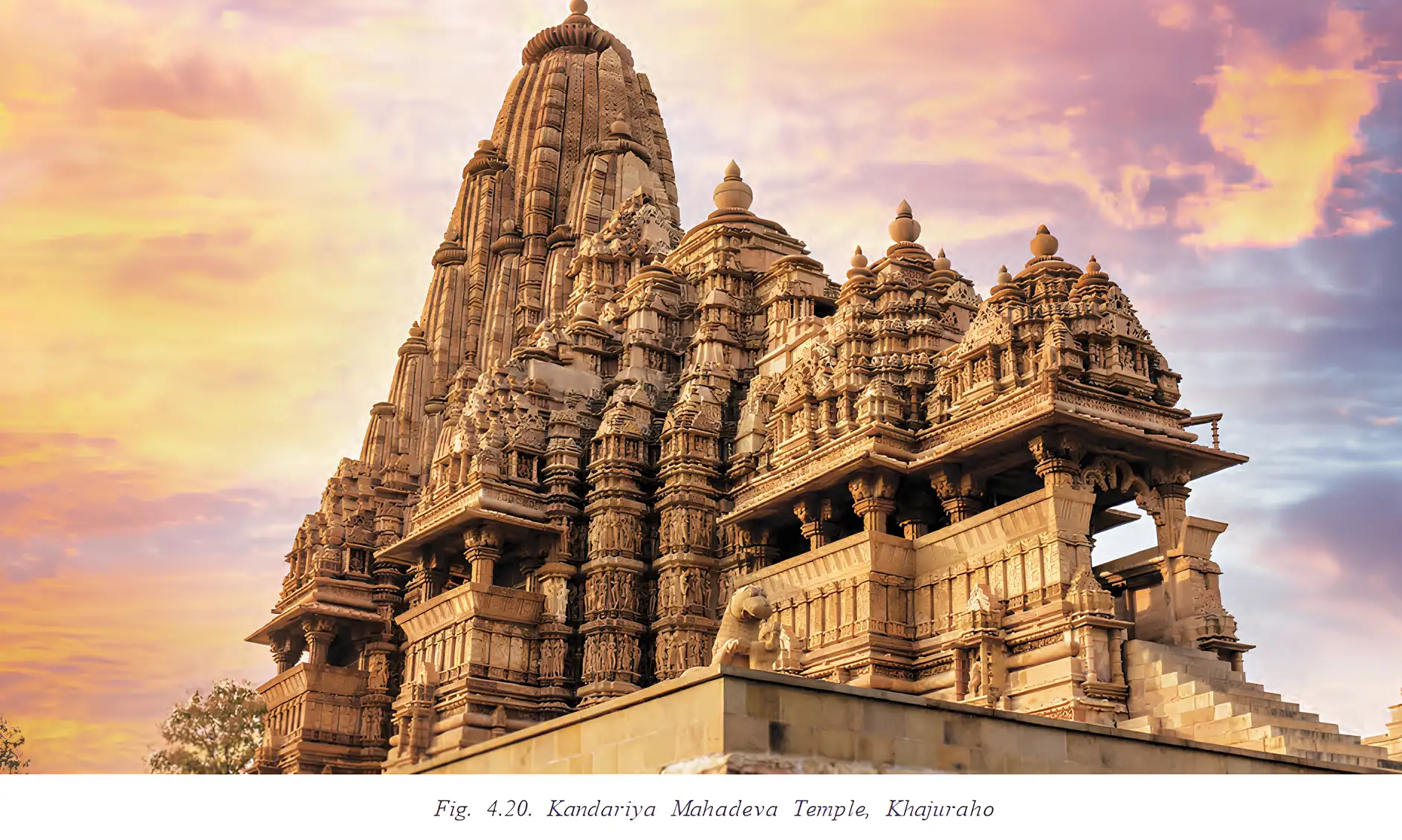
Cultural works and developments
- 11th and 12th centuriesThe Chandellas constructed many temples at Khajuraho, including the Kandariya Mahadeva and Lakshmana temples.
- 12th centuryChālukya ruler Someshvara III authored the encyclopaedia *Manasollasa*.
Thinkers and Religious Reformers
| Point | Advaita Vedanta | Vishishtadvaita Vedanta |
|---|---|---|
| Associated thinker | Adi Shankaracharya | Ramanujacharya |
| View described in this lecture | The dominant philosophical school of Ramanuja’s time | The world and individual souls are real |
| Path emphasised | Not specified here | Bhakti and surrender to the divine lead to liberation |
Ramanujacharya
- Role: A philosopher-saint from south India who challenged the dominant Advaita Vedanta school.
- Teaching: He developed Vishishtadvaita Vedanta, which regards the world and individual souls as real.
- Path to liberation: He emphasised devotion (bhakti) and surrender to the divine.
Basaveshvara (Basavanna or Basava)
- Role: A royal minister at Kalyani who left office to become a social and religious reformer.
- Movement: He founded the Lingayat movement, which rejected caste distinctions and ritualism.
- Teachings: It promoted personal devotion, dedicated work and the equal spiritual potential of women and men.
- Vachanas: His short Kannada poems expressed his devotion and ethical and spiritual ideas.
- Anubhava maṇḍapa: At Kalyani, he established a gathering place where people of all backgrounds could discuss life, values and religion.
Impact of the thinker-saints
- Ramanuja and Basavaṇṇa taught personal devotion and spiritual commitment.
- Their teachings made spirituality more personal and accessible.
- Like other Bhakti saints, they helped weaken some existing social barriers, especially in south India.
- Vassal
- A subordinate ruler who owed tribute or service to a more powerful king.
- Guild
- An organised group that supported and conducted trade.
- Vishishtadvaita Vedanta
- Ramanuja’s school, which holds that the world and individual souls are real and stresses devotion and surrender.
- Lingayat movement
- A movement founded by Basava that rejected caste distinctions and ritualism and taught devotion and dedicated work.
- Vachana
- A short Kannada poem expressing Basavaṇṇa’s spiritual and ethical vision.
- Anubhava maṇḍapa
- A gathering place for people from different backgrounds to discuss life, moral values and religion.
How did Muhammad Ghuri’s system differ from the usual administration described for this period?
What were the main teachings of Basava’s Lingayat movement?
Quick recap
- Large armies required revenue from vassals and traders, making efficient administration essential.
- Muhammad Ghuri used a more centralised system with temporary land assignments for officers.
- Overseas and internal trade expanded, but agriculture remained the economy’s mainstay.
- Irrigation works helped protect farming from uncertain seasonal rains.
- Cultural life included literary and scholarly works, as well as major temples built at Khajuraho.
- Ramanuja and Basavaṇṇa promoted devotion and helped make spiritual life more accessible.
Taking Stock
Change and Continuity
Political and Military Changes
- Turkic campaigns brought foreign rule to parts of northern India, changing political power.
- Destruction and plunder affected temples, cities and centres of learning.
- Religious change included the spread of Islam in India.
- Limits of foreign rule: large parts of northern India and all of south India remained outside Turkic control.
- Relations among kingdoms included wars, alliances and, occasionally, coalitions by native rulers against foreign invaders.
| Aspect | Change | Continuity |
|---|---|---|
| Power and rule | Turkic campaigns established foreign rule in parts of northern India. | Much of northern India and all of south India remained outside Turkic control. |
| Religion and culture | Islam spread in India. | Existing traditions continued alongside new schools of thought and belief. |
| Trade and learning | Conflict disrupted parts of the north. | Trade, merchant guilds, learning and creative work continued. |
Angkor Wat and Cultural Influence
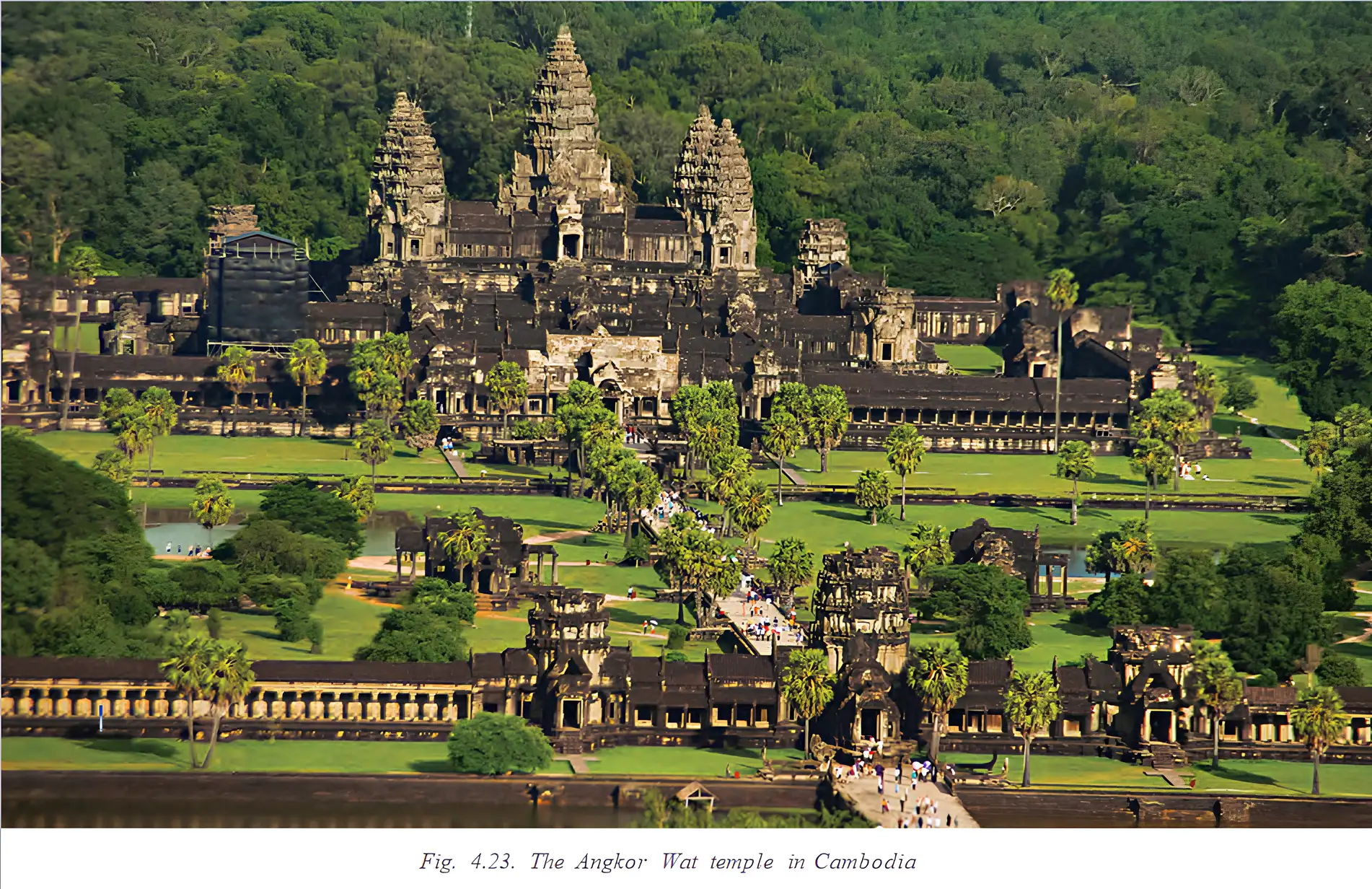
Angkor Wat
- Construction: Khmer king Suryavarman II built Angkor Wat in the 12th century; it is the world's largest religious monument.
- Original dedication: It was dedicated to Vishnu and carried inscriptions in Old Khmer and Sanskrit.
- Art and symbolism: Its huge bas-reliefs show scenes from the Ramayana and Mahabharata; five towers symbolise Mount Meru.
- Architecture: The temple shares features with south Indian temples, but on a grander scale.
- Religious change: After a change in political power, it was gradually converted into a Buddhist temple later in the 12th century.
- Cultural influence: Angkor Wat shows how Indian religious and artistic traditions influenced Southeast Asia.
Key Events
- 11th and 12th centuriesTurkic campaigns and foreign rule affected parts of northern India.
- 12th centurySuryavarman II built Angkor Wat, originally dedicated to Vishnu.
- Later in the 12th centuryAngkor Wat was gradually converted into a Buddhist temple after a political change.
Trade, Learning and Resilience
Trade and Cultural Exchange
- Internal and external trade continued despite conflict.
- Merchant guilds survived and adapted.
- External trade carried Indian culture to Southeast Asia and China.
Cultural and Intellectual Continuity
- Cultural traditions persisted across much of India.
- New ideas developed through new schools of thought and belief.
- Knowledge and creativity continued in literary and scientific works.
- Languages of composition included Sanskrit and regional languages.
- Overall lesson: society showed resilience amid conflict, with learning and creativity enduring.
- Merchant guild
- An organised association of merchants that supported trade and adapted to changing conditions.
- Mount Meru
- The cosmic mountain in Hindu mythology, symbolised by Angkor Wat's five towers.
- Bas-relief
- A sculpted design that projects slightly from a flat surface.
How did trade support cultural exchange during this period?
Give two examples of Indian influence visible at Angkor Wat.
Quick recap
- Turkic campaigns changed power in parts of northern India, but their control did not cover all of India.
- Conflict brought plunder and destruction, while kingdoms also formed alliances and occasional coalitions.
- Islam spread, while older cultural traditions and new schools of thought continued.
- Angkor Wat reflects Indian religious and artistic influence in Southeast Asia.
- Trade and merchant guilds endured, supporting cultural exchange with Southeast Asia and China.
- Literary, scientific and creative work persisted in Sanskrit and regional languages.
Before we move on
A Turning Point in Indian History
Political Changes
- 11th centuryMahmud of Ghazni defeated the Hindu Shahis and raided northern India, taking plunder and prisoners and destroying temples; he did not seek to rule India.
- 12th centuryMuhammad Ghuri and his generals conquered Delhi and much of the Gangetic plains, reaching Bengal; their campaigns caused destruction, including to centres of learning.
| Point | Mahmud of Ghazni | Muhammad Ghuri and his generals |
|---|---|---|
| Main action | Raided northern India repeatedly | Conquered Delhi and large parts of northern India |
| Extent | Raids brought plunder and prisoners | Conquests extended across the Gangetic plains to Bengal |
| Aim or outcome | Did not seek to establish rule in India | Established control over conquered territories |
| Impact | Temples were destroyed | Warfare caused widespread destruction, including to learning centres |
Political Diversity and Cultural Continuity
What Continued Alongside the Invasions
- Limits of Turkic control: Large parts of northern India and all of southern India remained outside the invaders’ control.
- Regional kingdoms: Powerful kingdoms often fought one another, but alliances were also formed.
- Economic and cultural life: Internal and external trade, art, literature and monumental architecture continued to flourish.
- Cultural connections: Indian cultural influences travelled abroad, especially to Southeast Asia and China.
- Hindu Shahis
- A ruling dynasty defeated by Mahmud of Ghazni.
- Gangetic plains
- The northern Indian region along the Ganga and its tributaries, conquered in part by Muhammad Ghuri and his generals.
- Turkic invaders
- Turkic forces whose control remained limited to parts of northern India.
- Centres of learning
- Important institutions of scholarship; some were left in ruins during the 12th-century conquests.
How did Mahmud of Ghazni’s actions differ from those of Muhammad Ghuri?
What continued to thrive despite the invasions and wars?
Quick recap
- The 11th and 12th centuries were a turning point in Indian history.
- Mahmud of Ghazni raided northern India but did not seek to establish rule there.
- Muhammad Ghuri and his generals conquered Delhi and territories across the Gangetic plains to Bengal.
- Turkic control did not extend across all northern India or into southern India.
- Kingdoms fought and formed alliances; trade, arts, literature and architecture continued to thrive.
- Indian cultural influences reached Southeast Asia and China.
Social Science — ALL CHAPTERS
1
Geographical Diversity of India
2
Understanding the Weather
3
Climates of India
4
New Beginnings Cities and States
5
The Rise of Empires
6
The Age of Reorganisation
7
The Gupta Era: An Age of Tireless Creativity
8
How the Land Becomes Sacred
9
From the Rulers to the Ruled: Types of Governments
10
The Constitution of India - An Introduction
11
From Barter to Money
12
Understanding Markets
1
The Story of Indian Farming
2
India and Her Neighbours
3
Empires and Kingdoms: 6th to 10th Centuries
4
Turning Tides: 11th and 12th Centuries
5
India, a Home to Many
6
The State, the Government, and You
7
Infrastructure: Engine of India’s Development
8
Banks and the Magic of Finance