Class 10 . Social Science . Understanding Economic Development . Development
Chapter 1: DEVELOPMENT
Ch 1
Social Science
Class 10
Introduction & What Development Promises Different People, Different Goals
Meaning of Development

Different People, Different Goals
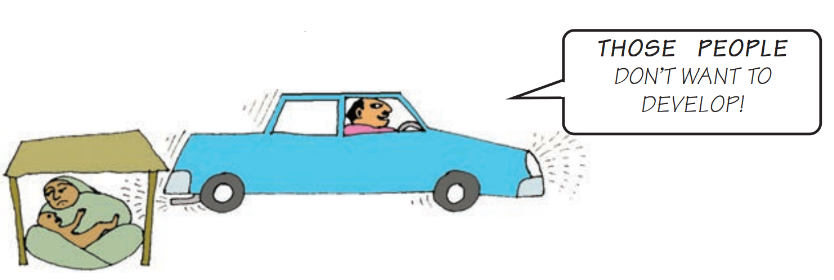
- Aspirations
- Hopes or desires about how to live and what to achieve.
- Developmental goals
- The outcomes people seek to fulfil their needs and aspirations.
- Conflicting goals
- Goals that cannot all be achieved together or that harm another person’s interests.
Why can different people have different ideas of development?
Give an example of a development goal that may harm another group.
Quick recap
- Development involves people’s aspirations and efforts to improve life and society.
- People and groups can seek different developmental goals.
- A goal that benefits one group may conflict with or harm another group’s interests.
- Dams may increase electricity but can also displace people and submerge land.
- Historical context and democratic political processes matter in achieving development goals.
Income and Other Goals
Income and Other Goals
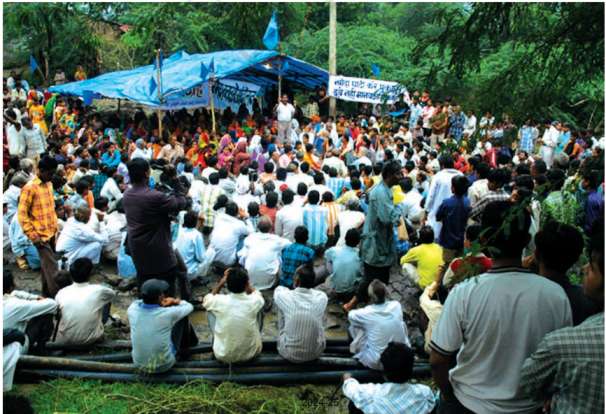
Why Income Is Not Enough
- Job choices may depend on family facilities, the work environment and opportunities to learn, not just pay.
- Security A lower-paid job with regular employment may feel more desirable than a higher-paid job with no job security.
- Freedom and family life A high-paying job that leaves no time for family may reduce a person's freedom and sense of security.
- Women and development Paid work can increase women's dignity; respect for women can encourage sharing housework and acceptance of their work outside the home.
- Safety A safe and secure environment can help more women take up different jobs or run businesses.
| Point | Different goals | Conflicting goals |
|---|---|---|
| Meaning | People want different things for their development. | One person's or group's desired outcome may oppose another's. |
| Example | One person may prioritise a secure job; another may prioritise higher pay. | A development choice may benefit some people while going against the interests of others. |
- Material goals
- Goals linked to income and goods that money can buy.
- Non-material goals
- Goals such as respect, freedom, security and equal treatment.
- Development goals
- The mix of material and non-material aims people want to achieve.
National Development
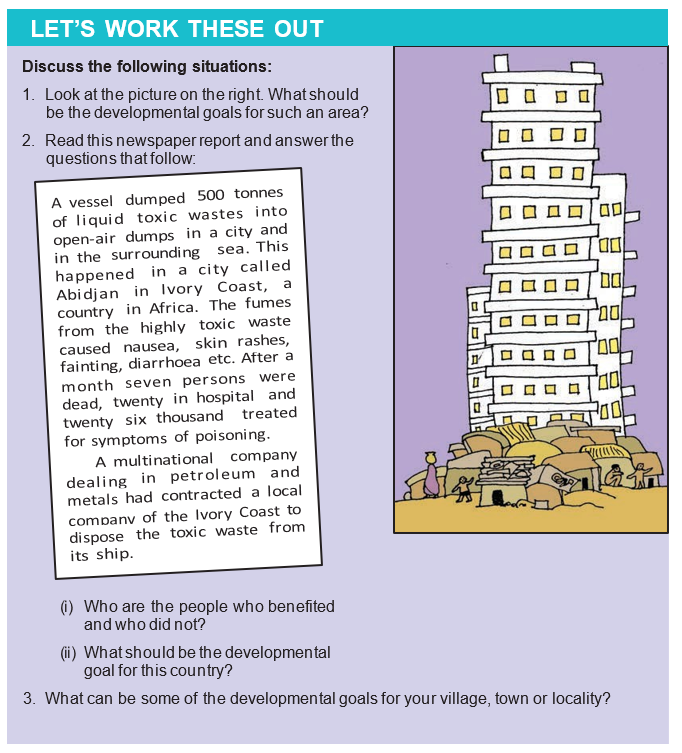
Why do different people have different notions of development?
Give examples of factors other than income that matter in people's lives.
What questions should be considered when deciding a path for national development?
Quick recap
- People seek income as well as non-material goals such as respect, freedom and security.
- Income alone does not determine quality of life or whether a job is desirable.
- People have different development goals because their needs and life situations differ.
- Different goals are not always conflicting, but some choices can oppose other people's interests.
- National development means weighing different views and considering fairness and who benefits.
How to Compare Different Countries or States & Income and Other Criteria
Choosing Criteria for Comparison
How comparisons are made
- Criterion: The basis for comparison depends on its purpose; different purposes can require different characteristics.
- Development: Countries can be compared using one or more important characteristics, but people may disagree about which characteristics matter most.
- Income: A country's income is commonly used as a key development criterion because higher income can help people obtain more of the things they need and value.
Total Income and Per Capita Income
Per capita income (average income) — A country's total income divided by its total population; it estimates the income of an average person.
Use this to compare average income between countries or states; is total income and is total population.
Using income to compare countries
- Total income: It is the combined income of all residents, but is not a fair comparison by itself when populations differ.
- Average income: Per capita income allows comparison of what an average person is likely to earn.
- World Bank: World Development Reports use per capita income to classify countries by income group.
- India: The lecture gives India's 2019 per capita income as 6,700 US dollars per annum and places it in the lower-middle-income category.
- Developed countries: Rich countries, excluding Middle Eastern countries and certain small countries, are generally called developed countries.
Why Average Income Does Not Tell the Whole Story
| Country | Citizen I | Citizen II | Citizen III | Citizen IV | Citizen V | Average |
|---|---|---|---|---|---|---|
| A | 9,500 | 10,500 | 9,800 | 10,000 | 10,200 | 10,000 |
| B | 500 | 500 | 500 | 500 | 48,000 | 10,000 |
| Point | Country A | Country B |
|---|---|---|
| Average income | Rs. 10,000 | Rs. 10,000 |
| Distribution | Incomes are relatively similar | Most people have very low incomes; one person has a very high income |
| What the average hides | More equitable distribution | Large gap between rich and poor |
Do not assume equal per capita income means equal living standards for everyone: averages hide how income is distributed.
Income and Other Development Criteria
What people and societies value
- Beyond income: People also value security, respect, equal treatment and freedom.
- Development comparison: Average income should be considered alongside other important social outcomes and opportunities.
| State | Per capita income (Rs.) | Relative position by income |
|---|---|---|
| Haryana | 2,36,147 | Highest of these three |
| Kerala | 2,04,105 | Between Haryana and Bihar |
| Bihar | 40,982 | Lowest of these three |
Other indicators for the same states
- State income measure: These figures are per capita Net State Domestic Product at current prices, used here as an approximate measure of state per capita income.
| State | Infant mortality rate per 1,000 live births (2018) | Literacy rate (2017–18, %) | Net attendance ratio, ages 14–15 (2017–18, per 100) |
|---|---|---|---|
| Haryana | 30 | 82 | 61 |
| Kerala | 7 | 94 | 83 |
| Bihar | 32 | 62 | 43 |
- Infant Mortality Rate (IMR)
- Number of children per 1,000 live births who die before reaching one year of age.
- Literacy rate
- Proportion of the population aged 7 and above that is literate.
- Net attendance ratio
- Children aged 14–15 attending school per 100 children in that same age group.
| Point | Income comparison | Other indicators |
|---|---|---|
| Haryana and Kerala | Haryana has higher per capita income | Kerala has lower IMR and higher literacy and school attendance |
| What it shows | Income alone would rank Haryana above Kerala | Health and education measures show advantages not captured by income alone |
| Bihar | Lowest per capita income among the three | Also has the lowest literacy and attendance, and the highest IMR of the three |
Reading the comparisons
- Kerala and Haryana: Kerala's IMR is 7 per 1,000 live births, compared with Haryana's 30, even though Haryana has higher per capita income.
- Bihar: A net attendance ratio of 43 means fewer than half of the 14–15-year-old age group attend school, compared with 83 in Kerala.
- Conclusion: States or countries should be compared using income as well as health, education and other valued outcomes.
Why is per capita income more useful than total income for comparing countries?
Why can two countries with the same per capita income have different living standards?
Why is income alone not enough to judge development? Give evidence from the states compared.
Quick recap
- The right comparison criterion depends on the purpose.
- Per capita income equals total income divided by total population.
- Per capita income is more useful than total income when populations differ.
- Averages hide income inequality and do not show how income is shared.
- Development also includes health, education, security, respect, equal treatment and freedom.
- Kerala's health and education indicators outperform Haryana's despite having lower per capita income.
Public Facilities
Income and Development
- Per capita income: Average income is used to compare the development of countries and states.
- Broader goals: Income matters, but development also includes people’s well-being and other important aspects of life.
Why Public Facilities Matter
- Limits of income: Money alone cannot ensure access to every essential good or service, or protect people from shared risks.
- Collective provision: Public facilities and services can be provided more effectively for everyone through community or government action.
- Health and nutrition: Basic health services and a well-functioning Public Distribution System can improve people’s well-being.
Educational Access in Rural Uttar Pradesh
- Access to schooling: Children need adequate school facilities and social support to continue their education.
- Unequal opportunity: In many areas, children—particularly girls—cannot attend high school when adequate facilities are not provided.
Nutrition and BMI
Here, is weight in kilograms and is height in metres. Interpret BMI using age-specific tables.
Human Development Index
| Comparison | What the data show |
|---|---|
| Sri Lanka and India | Sri Lanka is ahead of India in all listed indicators and has a better HDI rank. |
| Nepal and Bangladesh compared with India | Both have lower per capita income than India but higher life expectancy. |
| HDI rank | The ranks are out of 189 countries; a lower rank number indicates a better position. |
- Public facilities
- Essential goods and services made available through collective provision.
- PDS
- Public Distribution System, which provides access to essential food supplies through ration shops.
- HDI
- Human Development Index, a country-comparison measure based on health, education and income.
- PPP
- Purchasing power parity, a basis for comparing what income can buy in different countries.
Dates and Periods Mentioned
- 1960Expected year for achieving free and compulsory education for all children up to age 14.
- 2021Year of the country data presented in the Human Development Report table.
- 2021–22Human Development Report period used for the HDI world rankings.
Why is income alone an inadequate measure of development?
Why are public facilities often best provided collectively?
Which indicators does the Human Development Report use to compare countries?
Quick recap
- Income matters, but cannot by itself guarantee good health or access to essential services.
- Collective provision often makes facilities more effective and affordable.
- In rural Uttar Pradesh, 10–14-year-old girls have 13% illiteracy and boys have 10%; school attendance is a separate measure.
- BMI is weight in kilograms divided by height in metres squared and is interpreted using age-specific tables.
- HDI compares countries using health, education and per capita income.
- Nepal and Bangladesh have lower per capita income than India but higher life expectancy.
Sustainability of Development
Sustainability and Future Generations
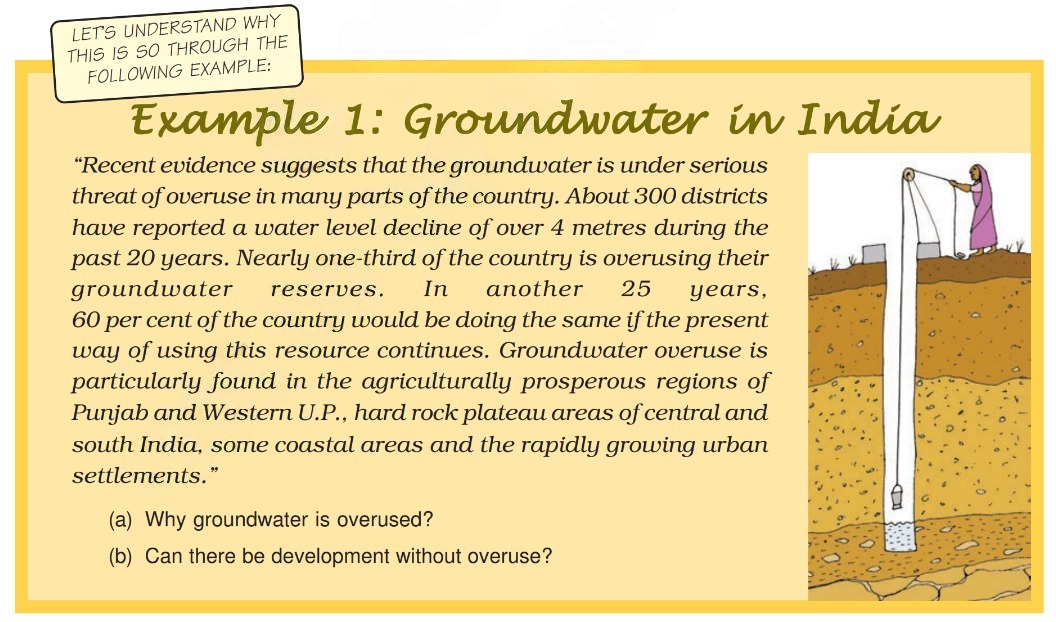
Groundwater Overuse
- Groundwater is replenished mainly through rainfall.
- Extraction exceeds replenishment by rain.
- The groundwater stock falls: a renewable resource is being overused.
Crude Oil: A Non-renewable Resource
Why Oil Reserves Matter
- Estimate: At the extraction rate used for the estimate, world crude oil reserves were expected to last about 50 years.
- Unequal reserves: Countries face different situations; India depends on imported oil because its own stocks are insufficient.
- Price impact: Rising oil prices increase costs and can burden people and the economy.
- Geopolitics: Countries with limited reserves, such as the USA in the cited data, may seek secure oil supplies through economic or military power.
Development and Environmental Interdependence
- Sustainability
- Maintaining development over time without undermining the resource base needed in the future.
- Renewable resource
- A resource naturally replenished, though it can be depleted through overuse.
- Non-renewable resource
- A resource with a finite stock that cannot be naturally replenished on a human timescale.
- Environmental degradation
- Damage to the environment that can affect people and places beyond the area where it begins.
Key Periods and Data
- Second half of the twentieth centuryScientists increasingly warned that existing development patterns and levels might not be sustainable.
- 2017The crude oil reserves data reported in the lecture are for this year.
- June 2018The cited BP Statistical Review of World Energy was published.
Why can groundwater be overused even though it is renewable?
What problems may India face because it imports crude oil?
Why is environmental degradation a global concern?
Quick recap
- Sustainable development maintains progress without compromising the resource base of future generations.
- Renewable resources can still be depleted when use exceeds natural replenishment.
- Non-renewable resources such as crude oil have finite stocks, even if new sources are discovered.
- The 2017 data estimated that world oil reserves would last about 50 years at the stated extraction rate.
- India’s dependence on imported oil makes it vulnerable to limited supplies and price rises.
- Environmental degradation crosses borders, so sustainability is a shared, multidisciplinary concern.
Social Science — ALL CHAPTERS
1
RESOURCES AND DEVELOPMENT
2
FOREST AND WILDLIFE RESOURCES
3
WATER RESOURCES
4
AGRICULTURE
5
MINERALS AND ENERGY RESOURCES
6
MANUFACTURING INDUSTRIES
7
LIFELINES OF NATIONAL ECONOMY
1
POWER SHARING
2
FEDERALISM
3
GENDER, RELIGION AND CASTE
4
POLITICAL PARTIES
5
OUTCOMES OF DEMOCRACY
1
THE RISE OF NATIONALISM IN EUROPE
2
NATIONALISM IN INDIA
3
THE MAKING OF A GLOBAL WORLD
4
THE AGE OF INDUSTRIALISATION
5
PRINT CULTURE AND THE MODERN WORLD
1
DEVELOPMENT
2
SECTORS OF THE INDIAN ECONOMY
3
MONEY AND CREDIT
4
GLOBALISATION AND THE INDIAN ECONOMY
5
CONSUMER RIGHTS