Class 10 . Social Science . India And Contemporary World II . The Making of a Global World
Chapter 3: THE MAKING OF A GLOBAL WORLD
Ch 3
Social Science
Class 10
Introduction & the Pre-modern World
The Pre-modern World
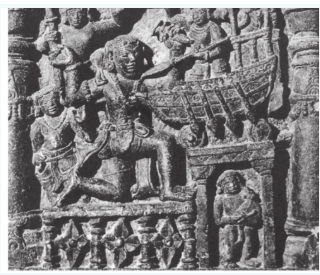
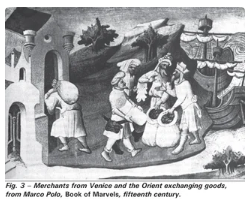
Silk Routes Link the World

Food Travels: Spaghetti and Potato
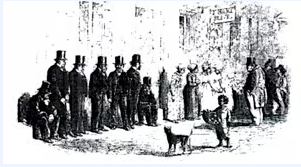
Potato Dependence and the Irish Famine
- Potatoes became a staple for Ireland's poorest peasants.
- A disease destroyed the potato crop in 1845–1849.
- Around 1,000,000 people died of starvation.
- About twice that number emigrated in search of work.
Conquest, Disease and Trade
Disease and the Conquest of the Americas
- The Americas' long isolation left original inhabitants without immunity to many European diseases.
- Spanish conquerors brought smallpox and other germs with them.
- Smallpox spread through communities, sometimes ahead of European arrivals.
- Mass deaths weakened communities and helped clear the way for conquest.
Smallpox as a Weapon
- Not just firepower: European conquest depended not only on weapons but also on disease, especially smallpox.
- Unequal vulnerability: Guns could be captured and used against invaders; diseases were harder to resist when local people lacked immunity and conquerors were mostly immune.
- Colonial attitude: In 1634, Massachusetts Bay governor John Winthrop described smallpox deaths among Native people as a blessing for the colonists.
Migration, Slavery and the Shift in World Trade
- European emigration: Until the nineteenth century, poverty, hunger, crowded cities, disease, religious conflict and persecution drove many Europeans to seek refuge in America.
- Plantation labour: By the eighteenth century, enslaved Africans were working on American plantations producing cotton and sugar for European markets.
- Asian wealth: Until well into the eighteenth century, China and India were among the world's richest countries and leading participants in Asian trade.
- Changing centre: From the fifteenth century, China reduced overseas contact and turned towards isolation; as the Americas grew in importance, the centre of world trade gradually shifted west to Europe.
- Dissenter
- A person who rejects established beliefs or practices.
- Immunity
- The body's protection against a particular disease; lack of immunity made Native Americans especially vulnerable to European infections.
What does it mean to say that the world 'shrank' in the 1500s?
Why did smallpox help European conquest in the Americas?
How did trade and migration change the position of Europe in the world economy?
Quick recap
- Early links: Trade and travel connected societies long before modern globalisation.
- Silk routes: These carried goods, religions and ideas between Asia, Europe and northern Africa.
- Food exchange: Crops from the Americas changed diets; potato dependence contributed to Ireland's devastating famine.
- Disease and conquest: Smallpox spread among people without immunity and facilitated European conquest in the Americas.
- Changing trade centre: American silver, European colonial expansion and China's reduced overseas role shifted trade's centre towards Europe.
The Nineteenth Century (1815-1914)
Three Flows in the World Economy
| Flow | Meaning | Example |
|---|---|---|
| Trade | Movement of goods between countries | Cloth and wheat |
| Labour | Migration of people in search of employment | Workers moving overseas |
| Capital | Movement of money for short- or long-term investment | Investment from financial centres such as London |
How the Flows Interacted
- Interdependence: Trade, labour and capital flows were closely connected and together shaped people’s lives.
- Uneven movement: Labour migration was often more restricted than the movement of goods or capital.
A World Economy Takes Shape
Corn Laws — British laws that restricted the import of corn to protect domestic producers.
Britain’s Shift to Imported Food
- Population growth, expanding cities and industry increased demand for food grains.
- Higher demand and restricted corn imports pushed up food prices, causing hardship and social conflict.
- Industrialists and urban dwellers pressed for the Corn Laws to be abolished.
- Cheaper food imports undercut British agriculture; land was left uncultivated and agricultural workers lost jobs.
- Displaced workers moved to cities or migrated overseas, while lower food prices increased consumption.
Food Imports Connected the World
- British food demand grew with lower prices and rising incomes from industrial growth.
- Land in Eastern Europe, Russia, America and Australia was cleared and farm production expanded.
- Railways, harbours, homes and settlements were built to connect farms to ports and support cultivation.
- These projects required capital, much of it from London, and labour in places such as America and Australia.
- Overseas labour demand encouraged migration and linked distant producers to British consumers.
Scale and Effects of Migration
- European migration: Nearly 50 million people emigrated from Europe to America and Australia during the nineteenth century.
- Global migration: An estimated 150 million people worldwide left their homes and crossed oceans or vast distances over land.
- By 1890: A global agricultural economy had developed; food could travel thousands of miles and be produced by wage workers on large farms.
- Transport labour: Ships increasingly relied on low-paid workers from southern Europe, Asia, Africa and the Caribbean.

Canal Colonies of West Punjab
- British irrigation: Canals transformed semi-desert land into fertile agricultural areas.
- Export production: The irrigated land grew wheat and cotton for export.
- Settlement: Peasants from other parts of Punjab settled in the Canal Colonies.
Growth of World Trade
- Commodity specialisation: Cotton production expanded to supply British textile mills; rubber was another globally traded commodity.
- Trade growth: Between 1820 and 1914, world trade multiplied an estimated 25–40 times.
- Primary products: Nearly 60% of world trade consisted of agricultural goods such as wheat and cotton, and minerals such as coal.
The Role of Technology
Technology and Global Trade
- Key technologies: Railways, steamships and the telegraph helped transform nineteenth-century connections.
- Wider causes: Technology was also shaped by social, political and economic forces; colonisation encouraged transport investment and improvement.
- Cheaper transport: Faster railways, lighter wagons and larger ships moved food more quickly and cheaply from distant farms to markets.
| Point | Live-animal trade (until the 1870s) | Refrigerated meat trade |
|---|---|---|
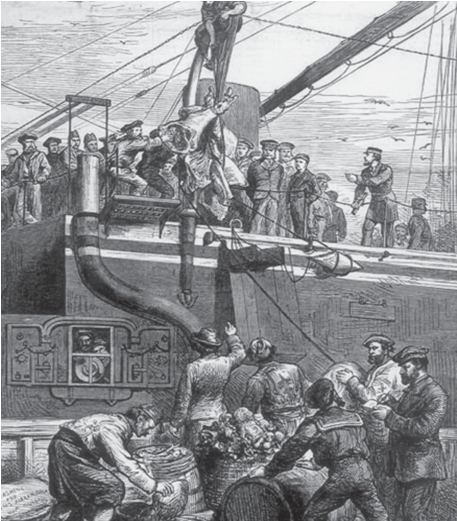
| Transport | Animals were shipped alive from America to Europe and slaughtered on arrival. | Animals were slaughtered at the source; frozen meat was shipped to Europe. |
| Problems or benefits | Animals took up much ship space; some died, became ill, lost weight or were unfit to eat. | Refrigerated ships carried perishable food over long distances, reducing shipping costs. |
| Price and diet | Meat was an expensive luxury, limiting demand and production. | Lower prices let many Europeans add meat, butter and eggs to bread-and-potato diets. |
Effects of Cheaper Meat
- Living standards: A more varied diet improved conditions for many, though not all, Europeans.
- Social and political effects: Better living conditions helped promote social peace at home and support for imperialism abroad.
Late Nineteenth-Century Colonialism
Colonial Expansion and Its Costs
- Expansion: Trade and markets grew, but this did not bring prosperity or freedom to everyone.
- Colonised societies: European conquest often meant loss of livelihoods and freedoms, alongside painful economic, social and ecological changes.
- Integration: These changes brought colonised societies more closely into the world economy, often on unequal terms.
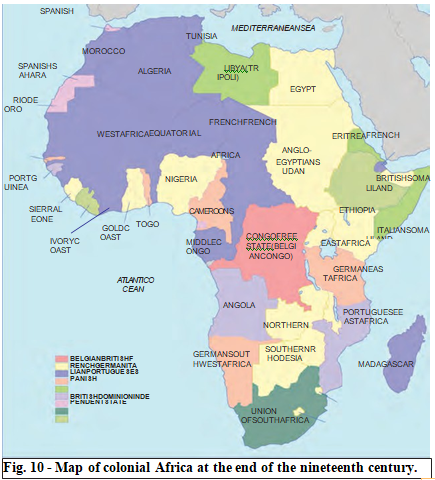
- African borders: Rival European powers drew territorial boundaries, many of them unusually straight.
Key Developments
- Late eighteenth century onwardPopulation growth increased Britain’s demand for food grains.
- Mid-nineteenth centuryFaster British industrial growth raised incomes and increased food imports.
- Until the 1870sLive animals were shipped from America to Europe before slaughter.
- 1885European powers met in Berlin to complete the division of African territories among themselves.
- By 1890A global agricultural economy had taken shape.
- Late 1890sThe United States became a colonial power by taking over some former Spanish colonies.
- 1820–1914World trade multiplied an estimated 25–40 times.
Colonial Powers
- Britain and France: Added vast overseas territories in the late nineteenth century.
- Belgium and Germany: Emerged as new colonial powers.
- United States: Became a colonial power in the late 1890s by taking over some colonies formerly held by Spain.
- Corn Laws
- British import restrictions on corn, later abolished under pressure from industrialists and urban dwellers.
- Primary products
- Raw or minimally processed goods such as agricultural produce and minerals.
- Canal Colonies
- West Punjab areas irrigated by British canals and settled by peasants from elsewhere in Punjab.
- Colonialism
- Control of territories and peoples by an outside power, often involving economic, social and ecological harm.
How did the abolition of the Corn Laws contribute to migration?
How did refrigerated ships change the meat trade?
What happened at the Berlin meeting of 1885?
Quick recap
- International exchange involved interwoven flows of goods, labour and capital, though migration was often more restricted.
- The abolition of the Corn Laws led to cheaper food imports, weakened British agriculture and contributed to worker migration.
- Food imports linked distant farms to railways, ports, investment and migrant labour; by 1890 a global agricultural economy had taken shape.
- Canal irrigation in west Punjab created export-growing Canal Colonies settled by peasants from elsewhere in Punjab.
- World trade grew dramatically from 1820 to 1914, with primary products making up nearly 60% of trade.
- Railways, steamships and refrigeration lowered transport costs and helped broaden European food supplies.
- Late nineteenth-century colonial expansion connected societies to the world economy while often damaging their livelihoods, freedoms and environments.
Rinderpest, or the Cattle Plague
Rinderpest and the Conquest of Africa
Rinderpest — A fast-spreading cattle disease that devastated African herds and livelihoods in the 1890s.
African livelihoods and the demand for labour
- Before colonial expansion: Abundant land and livestock supported African livelihoods; few consumer goods were available to buy with wages.
- Labour shortage: Europeans wanted workers for plantations and mines, but many Africans had little reason to seek wage work.
- Taxes: Heavy taxes could be paid only by earning wages, pushing people towards employment.
- Inheritance laws: Laws were changed so only one family member could inherit land; others were displaced into the labour market.
- Mine compounds: Mineworkers were confined and not allowed to move about freely.

Gold and European expansion
- Gold rush: After gold was discovered in the Witwatersrand, Europeans travelled there despite disease risks and difficult journeys.
- Transport: Crossing the Wilge River was the quickest route to the Transvaal gold fields.
- Economic importance: By the 1890s, South Africa produced over 20% of the world’s gold.
- European aims: Europeans sought land and minerals for plantations and mines producing exports for Europe.

Rinderpest: spread and impact
- Infected cattle were brought from British Asia to feed Italian soldiers invading Eritrea in East Africa.
- The disease entered Africa in the east in the late 1880s and spread westwards like a forest fire.
- It reached the Atlantic coast in 1892 and the Cape five years later.
- Around 90% of cattle died along its route.
- Cattle losses damaged livelihoods; European employers and colonial governments took control of the remaining cattle and strengthened their power.
How cattle loss strengthened colonial control
- Rinderpest killed most cattle.
- African households lost a vital source of livelihood.
- Planters, mine owners and colonial governments monopolised the scarce cattle that remained.
- Greater dependence on wage work helped Europeans conquer and subdue African communities.
Indentured Labour Migration from India
| Aspect | Growth and opportunity | Misery and coercion |
|---|---|---|
| Economy | Faster economic growth and higher incomes for some. | Poverty persisted or increased for others. |
| Technology and labour | Technological advances developed in some areas. | New forms of coercion, including indentured labour, expanded elsewhere. |
Indentured labour — Contract labour for a fixed period, often undertaken to repay the cost of passage to a new country; Indian workers were promised return travel after five years on a plantation.
Why people migrated
- Scale and work: Hundreds of thousands of Indian and Chinese labourers worked on plantations, in mines, and on road and railway projects around the world.
- Origins: Many Indian migrants came from eastern Uttar Pradesh, Bihar, central India and the dry districts of Tamil Nadu.
- Pressures at home: Cottage industries declined, rents rose, and land was cleared for mines and plantations.
- Result: Poverty, unpaid rent and debt pushed many people to migrate in search of work.
| Region | Destinations or work |
|---|---|
| Caribbean | Trinidad, Guyana and Surinam |
| Other overseas destinations | Mauritius and Fiji |
| Closer to India | Tamil migrants went to Ceylon and Malaya |
| Within India | Tea plantations in Assam |
Recruitment and the migrant experience
- Employers hired recruitment agents and paid them a small commission.
- Some migrants hoped to escape poverty or oppression in their villages.
- Agents often gave false information about destinations, travel, work and living conditions; some migrants were abducted.
- On plantations, workers faced harsh conditions and few legal rights; the system was described as a “new system of slavery.”

Survival, cultural expression and diaspora
- Survival: Some workers escaped into the wilds; if caught, they faced severe punishment.
- Hosay: In Trinidad, the Muharram procession became a carnival joined by people of different races and religions.
- Cultural links: The text connects Rastafarianism with social and cultural links to Indian migrants in the Caribbean.
- Chutney music: Popular in Trinidad and Guyana, it is a creative expression of the post-indenture experience.
- Cultural fusion: Traditions from different places mixed, changed and formed new cultural expressions.
- Diaspora: Many workers stayed after their contracts or returned after a short visit to India, creating large communities of Indian descent abroad.
End of indenture and its legacy
- Opposition: Indian nationalist leaders began opposing indentured migration in the 1900s as abusive and cruel.
- Abolition: The system ended in 1921.
- Continuing effects: Descendants of indentured workers often remained an uneasy minority and were sometimes called “coolies.”
- Examples: Writer V. S. Naipaul and cricketers Shivnarine Chanderpaul and Ramnaresh Sarwan descended from Indian indentured migrants.
- Identity and loss: Some of Naipaul’s early novels express descendants’ feelings of loss and alienation.

Evidence of plantation conditions
- Ram Narain Tewary: His testimony describes ten years on Demerara in the early twentieth century, including heavy assigned work and bruised hands.
- Wages and punishment: He said wages were deducted for unsatisfactory work; after he could not work because of his injuries, he was prosecuted and jailed for 14 days.
- Evidence of exploitation: His account shows that workers could face punishment and wage loss while under indenture.
- Workers treated as numbers: For employers, indentured workers’ numbers—not their names—mattered, reflecting their treatment as units of labour rather than individuals.
Indian Entrepreneurs Abroad
Finance and trade networks
- Need for capital: Export agriculture required investment; large plantations could borrow from banks and markets.
- Indian financiers: Shikaripuri shroffs and Nattukottai Chettiars financed export agriculture in Central and Southeast Asia.
- Methods: They used their own funds or borrowed from European banks, and developed systems to transfer money over long distances.
- Organisation: These groups developed indigenous forms of corporate organisation.
- Hyderabadi Sindhi traders: They followed European colonisers into Africa but also ventured beyond European colonies.
- Emporia: From the 1860s, they established shops at busy ports, selling local and imported curios to tourists; safer, more comfortable passenger vessels helped tourism grow.
Indian Trade, Colonialism and the Global System
How British industrialisation reduced Indian cotton exports
- Fine Indian cotton textiles were historically exported to Europe.
- British cotton manufacturing expanded with industrialisation.
- British industrialists pressed the government to protect local industries.
- Tariffs were imposed on cloth imports into Britain.
- Imports of fine Indian cotton into Britain declined.
Key dates and periods
- From the 1860sHyderabadi Sindhi traders established emporia at busy ports around the world.
- Late 1880sRinderpest entered Africa from the east, carried by infected cattle from British Asia.
- 1892Rinderpest reached Africa’s Atlantic coast.
- Five years laterRinderpest reached the Cape.
- The 1890sSouth Africa produced over 20% of the world’s gold; rinderpest killed around 90% of cattle along its route.
- The 1900sIndian nationalist leaders began opposing indentured labour migration.
- 1916Ram Narain Tewary’s testimony was recorded by the Department of Commerce and Industry, Emigration Branch.
- 1921Indentured labour migration was abolished.
- Rinderpest
- A contagious cattle disease that devastated African herds in the 1890s.
- Indentured labour
- Contract labour for a fixed period, often linked to repayment of travel costs.
- Shroff
- A banker or moneylender; Shikaripuri shroffs financed export agriculture abroad.
- Cultural fusion
- The blending of cultural forms from different places into new traditions.
How did rinderpest help European colonisers strengthen their control in Africa?
Why was indentured labour described as a “new system of slavery”?
How did indentured migrants contribute to cultural change in their new homes?
Quick recap
- Rinderpest spread across Africa from the late 1880s, killing around 90% of cattle along its route.
- Cattle loss damaged African livelihoods and helped colonisers control scarce livestock and expand wage labour.
- The nineteenth-century world combined economic and technological growth with poverty, misery and new forms of coercion.
- Indentured workers were recruited under contracts but often faced deceptive recruitment, harsh conditions and limited legal protection.
- Migrants formed lasting overseas communities and created new cultural expressions through cultural fusion.
- Indian financiers and traders connected export agriculture and port economies across regions.
- British tariffs protecting domestic cotton production contributed to declining imports of fine Indian cotton.
Indian Trade, Colonialism and the Global System & the Inter-war Economy
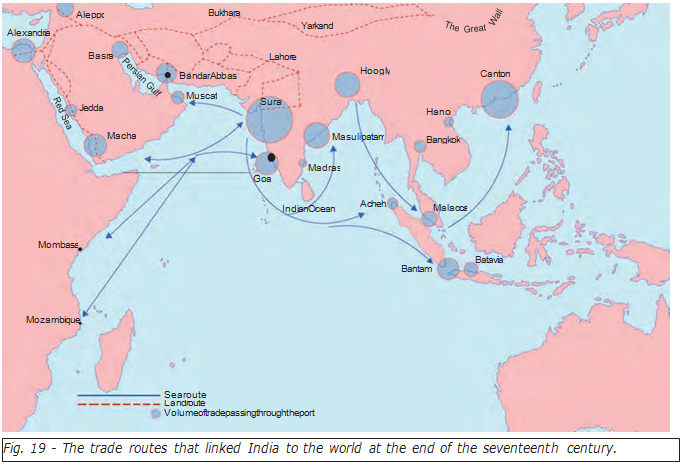
India’s Trade under Colonial Rule

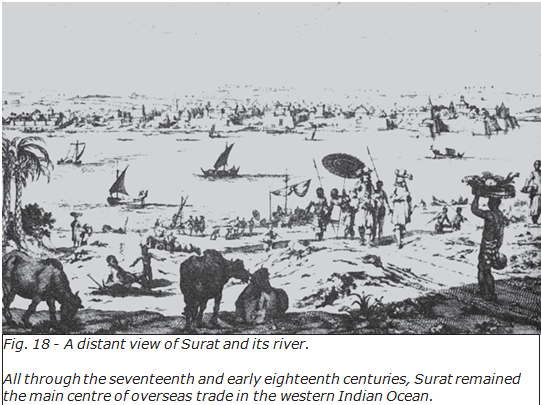
Trade Surplus and the Global System
How multilateral settlement worked
- Britain earned a trade surplus from India.
- Britain used that surplus to pay for deficits with other countries.
- India’s surplus therefore helped Britain meet payments across the wider world.
The Inter-war Economy
- Inter-war period: The decades between the First and Second World Wars were marked by prolonged economic and political instability.
- Global crisis: The crisis took more than three decades to overcome and culminated in another catastrophic war.
Wartime Transformations

War and shifts in global finance
- War disrupted economic links between countries that were now fighting each other.
- Britain borrowed large sums from US banks and the American public to pay for the war.
- The United States changed from an international debtor into an international creditor.
- At the war’s end, the United States and its citizens owned more overseas assets than foreigners owned in the United States.
Post-war Recovery
Wartime wheat disruption and post-war rural crisis
- War disrupted wheat supplies from eastern Europe.
- Canada, the United States and Australia expanded wheat production.
- Eastern European production revived after the war, creating a glut.
- The glut lowered grain prices and rural incomes, increasing farmers’ debts.
Rise of Mass Production and Consumption
| Point | Benefit | Cost |
|---|---|---|
| Production | Quicker output and lower costs | Workers had to keep pace with the conveyor belt |
| Work | More output per worker | Repetitive tasks and little control over work speed |
| Workers | Higher wages could support consumer demand | Stress led many Ford workers to quit |
Fordism and the Consumer Boom
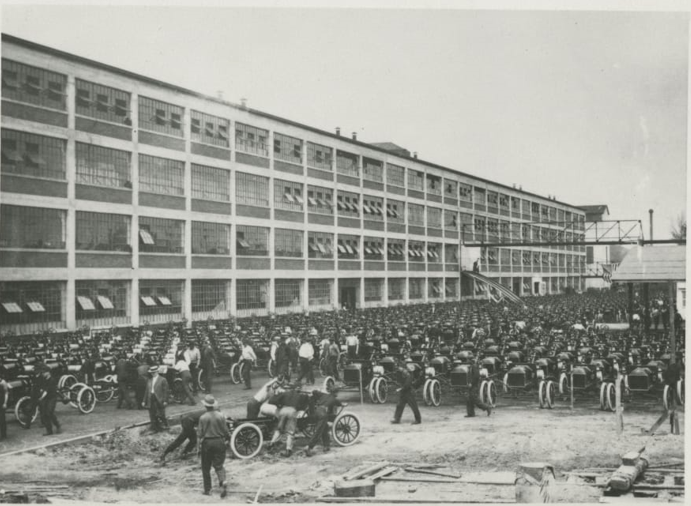
- Workers’ response: Many workers quit because they could not cope with the stress and pace of assembly-line work.
- Wages and unions: In January 1914, Ford doubled the daily wage and banned trade unions from operating in his plants.
- Productivity: Ford recovered the higher wage cost by repeatedly speeding up the production line and intensifying work. He later called the wage decision his ‘best cost-cutting decision’.
- Spread of Fordism: Mass-production methods spread across the United States and were widely copied in Europe during the 1920s.
- Consumer goods: Lower prices and higher wages enabled more workers to buy durable goods such as cars, refrigerators, washing machines, radios and gramophone players.
- Hire purchase: Goods could be bought on credit and repaid in weekly or monthly instalments. Loans also financed house construction and home ownership.
- Car production: US car output rose from 2 million in 1919 to more than 5 million in 1929.
The 1920s Prosperity Cycle
- Investment in housing and household goods increased employment and incomes.
- Higher incomes supported greater consumer spending.
- Growing demand encouraged further investment.
- More investment created additional employment and income.
US Lending and the Road to Depression
- Overseas lending: In 1923, the United States resumed exporting capital and became the world’s largest overseas lender.
- Global recovery: US imports and capital exports supported European recovery, world trade and income growth over the next six years.
- Depression: This prosperity did not last; by 1929 the world was entering an unprecedented depression.
Key Dates
- Around 1800Cotton textiles made up about 30% of India’s exports.
- 1812–1871The share of raw cotton in Indian exports rose from 5% to 35%.
- 1815Cotton textiles’ share of Indian exports had fallen to about 15%.
- From the 1820sOpium shipments from India to China grew rapidly.
- By the 1870sCotton textiles’ share of Indian exports had fallen below 3%.
- January 1914Henry Ford doubled the daily wage at his factory.
- August 1914–1918The First World War was fought.
- 1921One in every five British workers was unemployed.
- 1923The United States resumed exporting capital and became the largest overseas lender.
- 1919–1929US car production rose from 2 million to more than 5 million.
- 1929The world was plunged into an unprecedented depression.
- Trade surplus
- Exports to a trading partner are worth more than imports from that partner.
- Multilateral settlement
- Using a surplus with one country to settle a deficit with another.
- Home charges
- Payments from India for British remittances, debt interest and officials’ pensions.
- Hire purchase
- Buying goods on credit and repaying the cost in instalments.
How did India help Britain balance its international payments?
State two effects of the First World War on the world economy.
How did mass production encourage consumption in the United States during the 1920s?
Quick recap
- Colonial rule reduced India’s manufactured textile exports and increased raw-material exports; opium shipments to China grew from the 1820s.
- Britain used its trade surplus with India to settle deficits elsewhere and pay home charges.
- The First World War was an industrial war that caused huge human and economic losses.
- Post-war Britain faced debt and unemployment; wheat oversupply also hurt farmers.
- Mass production began in the late nineteenth century; Ford’s assembly line boosted output but made work repetitive and tightly paced.
- Credit, consumer demand and US overseas lending supported 1920s growth before the depression of 1929.
The Great Depression & Rebuilding a World Economy: the Post-war Era
The Great Depression
The Great Depression — A worldwide economic crisis that began around 1929 and lasted until the mid-1930s, marked by steep falls in production, employment, incomes and trade.
Causes and uneven impact
- Uneven impact: The timing and severity varied between countries, but agricultural regions and communities were generally hit hardest because farm prices fell more sharply and for longer than prices of industrial goods.
- Agricultural overproduction: Falling prices reduced farm incomes, so farmers increased production and sales to maintain earnings; this deepened the glut, pushed prices lower and left produce unsold.
- Withdrawal of US loans: Many countries financed investment with US loans. Overseas lending exceeded 1 billion in the first half of 1928; a year later it was only one quarter of that amount.
- US protectionism: The United States doubled import duties to protect its economy, further reducing world trade.
How the crisis spread
- Overproduction and falling farm prices, alongside US loan withdrawals
- Farm incomes fall and countries lose access to crucial credit
- Banks, businesses and households face mounting losses and debt
- Unemployment, bank failures and company closures increase
- Trade contracts further, deepening the global slump
Effects in the United States and worldwide
- Europe: The withdrawal of US loans contributed to major bank failures and the collapse of currencies, including the British pound sterling.
- Latin America and other regions: The slump intensified falls in agricultural and raw-material prices.
- United States: It was the industrial country most severely affected. US banks cut domestic lending and called in loans, worsening the crisis for farms, households and businesses.
- Households: Many people could not repay debts and lost homes, cars and other consumer goods; unemployment soared.
- Bank and business collapse: Over 4,000 US banks had closed by 1933; about 110,000 companies collapsed between 1929 and 1932.
- Unemployment relief: A census recorded 10 million people out of work. Local governments in many states provided small allowances, and queues came to symbolise Depression-era poverty.
- Recovery: A modest recovery began in most industrial countries by 1935, but the Depression’s social, political and international effects lasted longer.
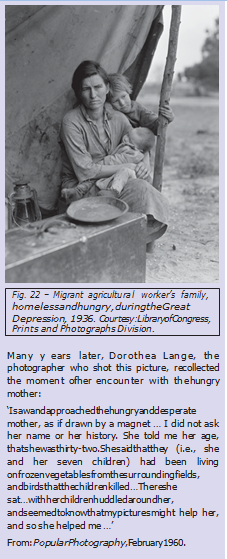
Key dates
- First half of 1928US overseas loans amounted to over 1 billion.
- Around 1929The Great Depression began; a year after the first half of 1928, US overseas loans were down to one quarter of their earlier amount.
- 1929–1932About 110,000 US companies collapsed.
- 1933Over 4,000 US banks had closed.
- By 1935A modest recovery was under way in most industrial countries.
India and the Great Depression
- Global economic integration
- Trade and financial links that allow a crisis in one region to affect economies and people elsewhere.
- Tariff protection
- Import duties used to protect domestic industries from foreign competition.
- Indebtedness
- The condition of owing debts, which increased among Indian peasants during the Depression.
Effects on Indian trade, prices and people
- Colonial trade pattern: India exported agricultural goods and imported manufactured goods, so the global slump quickly affected its economy.
- Trade and prices: Indian exports and imports nearly halved between 1928 and 1934. Wheat prices in India fell by 50 per cent over the same period.
- Peasants worst hit: Agricultural prices fell sharply, but the colonial government did not reduce revenue demands; peasants producing for the world market suffered especially.
- Rural debt: Farmers used savings, mortgaged land and sold jewellery and precious metals to meet expenses. India became an exporter of precious metals, especially gold.
- Gold and recovery: John Maynard Keynes believed Indian gold exports supported global recovery. They helped Britain’s recovery but did little for Indian peasants.
- Urban incomes: Some fixed-income groups, such as rent-receiving town landowners and salaried middle-class workers, benefited because prices fell while their incomes remained fixed.
- Industry: Industrial investment grew as the government extended tariff protection to industries under pressure from nationalist opinion.
- Political unrest: Rural distress was widespread when Mahatma Gandhi launched the Civil Disobedience Movement in 1931.
Bengal jute growers
- Jute production: Bengal peasants grew raw jute, which factories processed into gunny bags for export.
- Price crash: When gunny-bag exports collapsed, the price of raw jute fell by more than 60 per cent.
- Debt trap: Growers who borrowed or increased output expecting better returns faced lower prices and heavier debts.
- Who gained: The growers’ lament says traders bought jute for only Rs. 5 a maund, while peasants bore the costs and debts.
Who profited from jute cultivation according to the growers’ lament?
India during the Depression
- 1928–1934Indian exports and imports nearly halved; wheat prices fell by 50 per cent.
- 1931Mahatma Gandhi launched the Civil Disobedience Movement amid rural distress.
Rebuilding a World Economy: The Post-war Era
Second World War — A six-year war fought between the Axis powers and the Allies across many fronts on land, at sea and in the air.
| Group | Main members |
|---|---|
| Axis powers | Nazi Germany, Japan and Italy |
| Allies | Britain, France, the Soviet Union and the United States |
War, destruction and reconstruction
- Human loss: At least 60 million people—about 3 per cent of the world’s 1939 population—were believed to have died directly or indirectly; millions more were injured.
- Civilian suffering: More civilians than soldiers died from war-related causes, and many deaths occurred away from battlefields.
- Physical and economic devastation: Vast areas of Europe and Asia were devastated, and aerial bombardment and artillery destroyed cities.
- Reconstruction: The immense economic devastation and social disruption made rebuilding long and difficult.
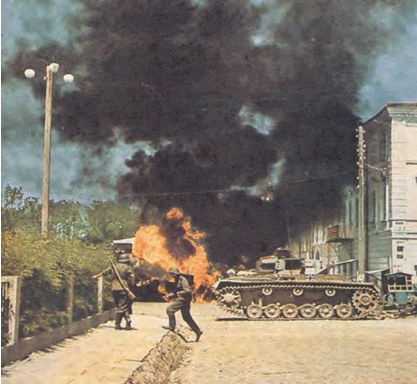
Forces shaping post-war reconstruction
- United States: Emerged as the dominant economic, political and military power in the Western world.
- Soviet Union: Its sacrifices helped defeat Nazi Germany. It had transformed from a largely agricultural country into a world power while the capitalist world was trapped in the Great Depression.
- Turning point: Hitler’s attempt to invade Russia became a turning point in the war.
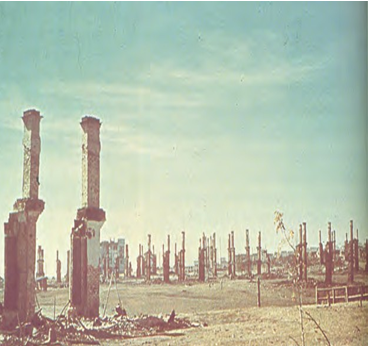
War and its aftermath
- July 1941German forces attacked Russia; Hitler’s attempt to invade Russia became a turning point in the war.
Quick recap
- The Great Depression began around 1929; agricultural overproduction, US loan withdrawals and protectionism deepened the global crisis.
- Agricultural communities were especially affected because farm prices fell more sharply and for longer than industrial prices.
- The United States was the industrial country most severely affected; bank failures, business collapse and unemployment spread widely.
- India’s trade and crop prices fell sharply; peasants faced unchanged revenue demands, debt and rural hardship.
- Jute growers suffered a price collapse and debt, while traders could buy their crop cheaply; some fixed-income urban groups benefited from lower prices.
- The Second World War caused at least 60 million deaths and widespread destruction, with civilians suffering heavily.
- Post-war reconstruction was shaped by US dominance in the Western world and the Soviet Union’s rise as a world power.
Post-war Settlement and the Bretton Woods Institutions
Post-war Settlement and the Bretton Woods System
Bretton Woods system — The post-war international economic framework agreed in 1944 to promote economic stability and full employment in the industrial world.
Lessons from the Inter-war Years
- Mass production: An industrial society based on mass production needed mass consumption, requiring high and stable incomes.
- Full employment: Stable incomes depended on steady employment; markets alone could not guarantee full employment.
- Government role: Governments needed to reduce fluctuations in prices, output and employment to secure economic stability.
- International control: Governments needed power to control flows of goods, capital and labour to support full employment.
The Bretton Woods Institutions
- Conference: The framework was agreed at the United Nations Monetary and Financial Conference in July 1944 at Bretton Woods, New Hampshire, USA.
- IMF: The International Monetary Fund was established to deal with member nations’ external surpluses and deficits.
- World Bank: The International Bank for Reconstruction and Development was established to finance post-war reconstruction.
- Bretton Woods twins: The IMF and World Bank are together called the Bretton Woods institutions.
- Operations and control: Both began financial operations in 1947; Western industrial powers controlled decisions, with the US holding an effective veto over key decisions.
International monetary system — The system that links national currencies and monetary systems.
| Part of system | Arrangement |
|---|---|
| National currencies | Currencies such as the Indian rupee were pegged to the US dollar at fixed exchange rates. |
| US dollar | The dollar was anchored to gold at a fixed price per ounce. |
Key Dates
- July 1944The Bretton Woods framework was agreed at the United Nations Monetary and Financial Conference.
- 1947The IMF and World Bank began financial operations.
What two lessons did economists and politicians draw from the inter-war experience?
The Early Post-war Years
Growth and Technology
- Trade and incomes, 1950–1970: World trade grew by over 8% annually and incomes by nearly 5%.
- Stability and employment: Growth was mostly steady; unemployment averaged below 5% in most industrial countries for much of this period.
- Technology spread: Developing countries invested heavily and imported modern industrial plants, equipment and technology to catch up with advanced economies.
Decolonisation and Independence
Challenges After Independence
- Independence: Over the two decades after the Second World War, most colonies in Asia and Africa became independent.
- Difficult conditions: Newly independent countries faced poverty and scarce resources; long colonial rule had handicapped their economies and societies.
- Institutional limits: The IMF and World Bank were designed for industrial countries, not to address poverty and underdevelopment in former colonies.
- Shift in focus: As Europe and Japan rebuilt and relied less on the institutions, the Bretton Woods institutions turned more towards developing countries from the late 1950s.
- Continuing influence: Former colonial powers retained control over resources such as minerals and land; powerful-country corporations also gained cheap rights to exploit natural resources.
- Unequal growth: Most developing countries did not share in the rapid growth experienced by Western economies in the 1950s and 1960s.
Group of 77 (G-77) — A group of developing countries that organised to demand a fairer international economic system.
New International Economic Order (NIEO) — The fairer international system demanded by the G-77, giving developing countries greater control and more equitable opportunities in the world economy.
The G-77’s NIEO Demands
- Resources: Real control over their natural resources.
- Assistance: More development assistance.
- Trade fairness: Fairer prices for raw materials and better access for manufactured goods in developed-country markets.
Decolonisation and the Developing World
- The two decades after the Second World WarMost colonies in Asia and Africa became independent.
- From the late 1950sThe Bretton Woods institutions shifted more attention towards developing countries.
- The 1950s and 1960sMost developing countries did not benefit from the rapid growth of Western economies.
Multinational Corporations and Tariffs
Multinational corporation (MNC) — A large company that operates in several countries at the same time.
MNC Expansion
- Spread: The first MNCs were established in the 1920s; many more expanded in the 1950s and 1960s as US businesses grew worldwide and Western Europe and Japan recovered.
- High tariffs: Import tariffs encouraged MNCs to establish manufacturing operations in multiple countries and become domestic producers there.
Tariff — A tax on imports, charged at the point where goods enter a country, such as a border or airport.
Why MNCs Set Up Production Abroad
- Governments impose high import tariffs.
- MNCs establish manufacturing operations in other countries.
- They can produce and sell as domestic producers in those markets.
End of Bretton Woods and the Beginning of Globalisation
The End of Fixed Exchange Rates
- US pressures: From the 1960s, rising costs of overseas involvement weakened US finances and competitive strength.
- Dollar crisis: Confidence in the US dollar as the principal world currency declined; it could no longer maintain its value against gold.
- System change: The fixed exchange-rate system collapsed and floating exchange rates were introduced.
Changing Finance and Employment
- Borrowing shift: From the mid-1970s, developing countries were forced to borrow from Western commercial banks and private lending institutions instead of relying on international institutions for loans and development assistance.
- Debt consequences: The shift led to periodic debt crises, lower incomes and rising poverty, especially in Africa and Latin America.
- Industrial unemployment: Unemployment in industrial countries began rising from the mid-1970s and remained high until the early 1990s.
| Point | Fixed exchange rates | Floating exchange rates |
|---|---|---|
| How rates are set | Rates are maintained at set values. | Rates fluctuate with currency demand and supply in foreign exchange markets. |
| Government role | Governments intervene to prevent rate movements. | In principle, rates change without government interference. |
From Bretton Woods to Globalisation
- From the 1960sRising US overseas costs weakened its finances and the dollar’s standing.
- From the mid-1970sDeveloping countries increasingly borrowed from Western commercial banks and private lenders; industrial unemployment began rising.
- From the late 1970sMNCs began shifting production operations to low-wage Asian countries.
- Until the early 1990sUnemployment in the industrial world remained high.
Production Shifts and a Changing World Economy
- China’s re-entry: China had been cut off from the post-war world economy since its 1949 revolution; new economic policies brought it back into the world economy.
- Wider re-entry: The collapse of the Soviet Union and Soviet-style communism in Eastern Europe brought many countries back into the world economy.
- Why China attracted investment: Relatively low wages and production costs attracted foreign MNCs; TVs, mobile phones and toys are examples of goods made there.
- Global effects: Shifting production to low-wage countries stimulated world trade and capital flows.
- Changing economic geography: In the last two decades, India, China and Brazil underwent rapid economic transformation.
Low-wage Production and Globalisation
- Low wages make some countries attractive to MNCs.
- MNCs relocate production there to compete in world markets.
- Production shifts increase world trade and international capital flows.
- The global economic map changes as countries such as India, China and Brazil transform.
- Bretton Woods institutions
- The IMF and World Bank, established under the post-war international economic framework.
- Fixed exchange rate
- An exchange rate kept at a set value, with government intervention to prevent movement.
- Floating exchange rate
- An exchange rate that fluctuates with currency demand and supply in foreign exchange markets.
- MNC
- A multinational corporation operating in several countries.
- Tariff
- A tax charged on imports at the point of entry.
- NIEO
- The G-77’s demand for a fairer international economic order and greater control over resources and trade.
What did developing countries seek through the NIEO?
Quick recap
- The 1944 Bretton Woods framework aimed for economic stability and full employment through government action and control of international flows.
- The IMF dealt with member countries’ external surpluses and deficits; the World Bank financed reconstruction. Both began operations in 1947.
- The post-war decades brought rapid, relatively stable growth in trade and incomes, alongside the spread of technology.
- The G-77 demanded a NIEO to secure resource control, development assistance and fairer trade for developing countries.
- The weakening US dollar led to the collapse of fixed exchange rates; developing countries then faced private debt and poverty pressures.
- MNCs shifted production to low-wage countries, stimulating trade and capital flows and transforming the global economic map.
Social Science — ALL CHAPTERS
1
RESOURCES AND DEVELOPMENT
2
FOREST AND WILDLIFE RESOURCES
3
WATER RESOURCES
4
AGRICULTURE
5
MINERALS AND ENERGY RESOURCES
6
MANUFACTURING INDUSTRIES
7
LIFELINES OF NATIONAL ECONOMY
1
POWER SHARING
2
FEDERALISM
3
GENDER, RELIGION AND CASTE
4
POLITICAL PARTIES
5
OUTCOMES OF DEMOCRACY
1
THE RISE OF NATIONALISM IN EUROPE
2
NATIONALISM IN INDIA
3
THE MAKING OF A GLOBAL WORLD
4
THE AGE OF INDUSTRIALISATION
5
PRINT CULTURE AND THE MODERN WORLD
1
DEVELOPMENT
2
SECTORS OF THE INDIAN ECONOMY
3
MONEY AND CREDIT
4
GLOBALISATION AND THE INDIAN ECONOMY
5
CONSUMER RIGHTS