Class 10 . Social Science . Democratic Politics II . Outcomes of Democracy
Chapter 5: OUTCOMES OF DEMOCRACY
Ch 5
Social Science
Class 10
Introduction
Assessing the Outcomes of Democracy
- Expectations: Democracy is valued for equality, individual dignity, better decisions, resolving conflicts and correcting mistakes.
- Limits: Democracy is a form of government that creates conditions for progress; citizens must use those conditions to achieve their goals.
- Assessment: Judge democracy by its actual outcomes as well as its principles, recognising that results vary with each country’s social and economic conditions.
Quick recap
- Assess democracy by considering what it does and what outcomes it produces.
- Compare the outcomes we expect with what democracy achieves in real life.
- Assess the quality of government and economic well-being.
- Consider inequality, social differences and conflict.
- Also assess freedom and dignity.
How Do We Assess Democracy’s Outcomes?
Expectations from Democracy
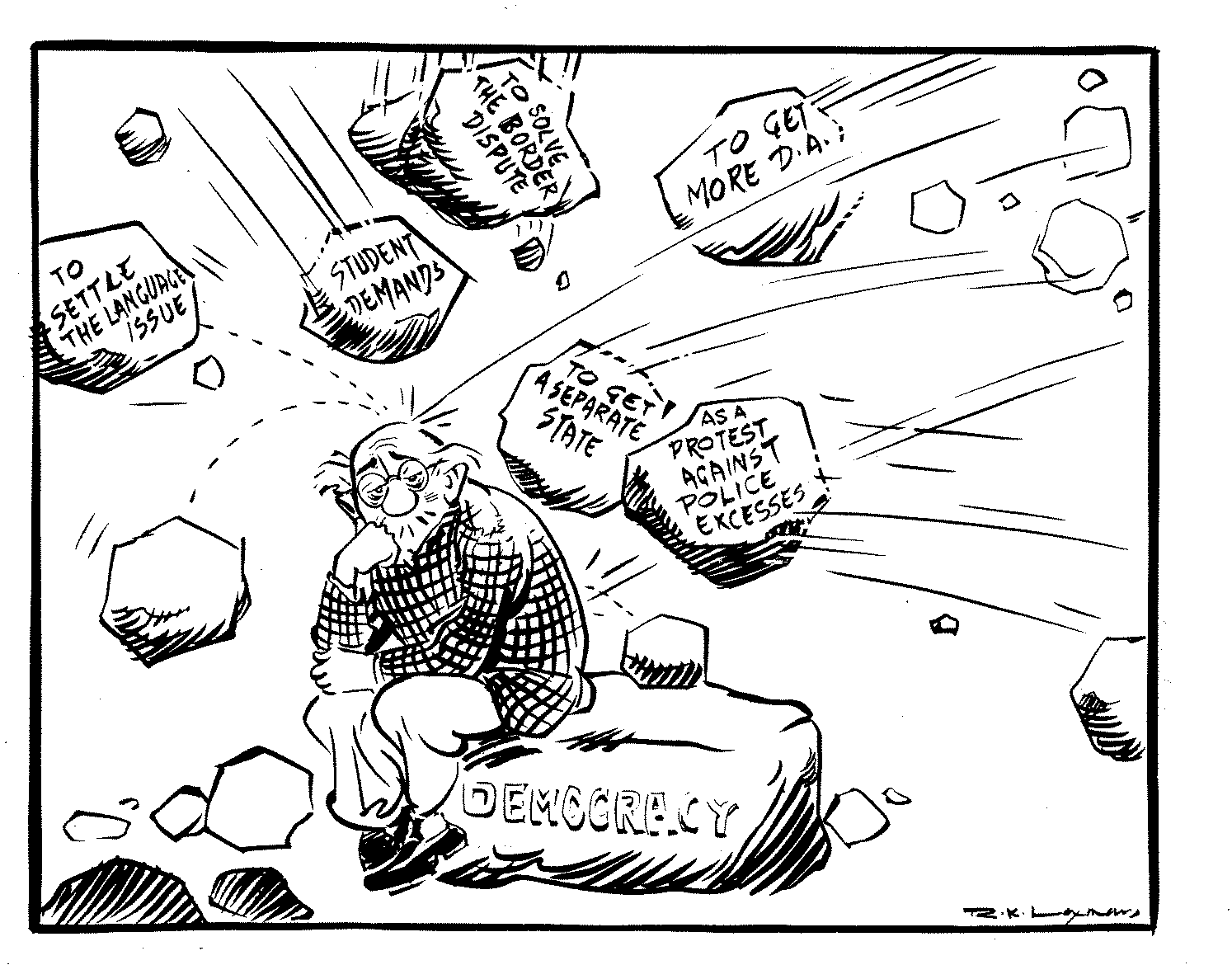
What Can We Reasonably Expect?
- Outcomes: Assess democracy by what it delivers in political, economic and social life, not only by its ideals.
- Key expectations: Consider development, reducing inequality and poverty, accommodating social diversity, and protecting citizens’ dignity and freedom.
Accountable, Responsive and Legitimate Government

Transparency — Citizens’ ability and right to know how decisions are made and whether proper procedures are followed.
Democratic Deliberation and Decision-Making
- Deliberation and negotiation take time.
- More time is spent following procedures and considering different views.
- Decisions may gain greater public acceptance.
- Greater acceptance can help make decisions more effective.
Responsiveness, Corruption and Legitimacy
- Accountability
- The government’s answerability to citizens for its actions and decisions.
- Responsiveness
- Attention to citizens’ needs and expectations.
- Transparency
- Openness that lets citizens examine government decisions and procedures.
- Legitimacy
- Public acceptance of a government’s right to rule; in democracy, it is strengthened by elected representation.
Why can democratic decision-making take longer, and why may this time be worthwhile?
What makes a democratic government legitimate?
Quick recap
- Democracy is valued for equality, dignity, better decision-making, conflict resolution and correcting mistakes.
- Democracy creates conditions for citizens to pursue goals; it does not guarantee that every problem will be solved.
- Its basic expected outcomes include accountable and responsive government, citizen participation and transparency.
- Democratic procedures can slow decisions but may increase public acceptance and effectiveness.
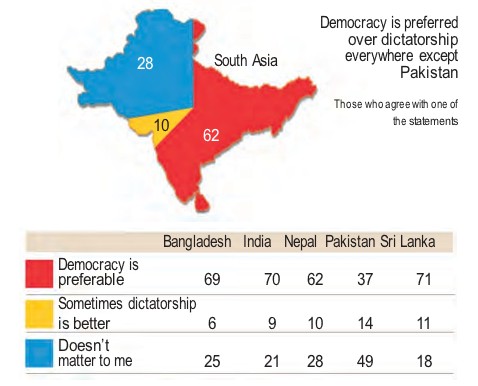
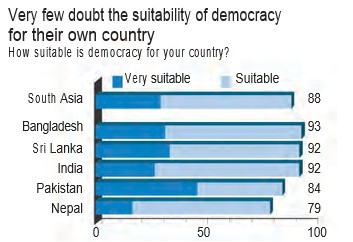
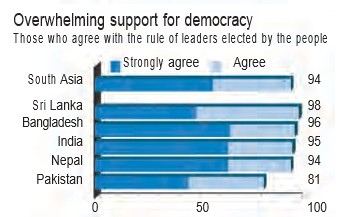
- Democracies have a mixed record on fair elections, public debate, information-sharing, responsiveness and corruption.
- Legitimacy and the public support democracy generates are important outcomes, even when its performance is imperfect.
Economic Growth and Development
Democracy and Economic Development
Period Covered by the Growth Comparison
- 1950–2000Economic growth under democratic and dictatorial regimes was compared.
Economic Outcomes of Democracy
| Comparison | Democracies | Dictatorships |
|---|---|---|
| All countries, 1950–2000 | Average growth rate: 3.95 | Average growth rate: 4.42 |
| Poor countries, 1950–2000 | Growth rate: 4.28 | Growth rate: 4.34 |
| Country | Top 20% share of national income | Bottom 20% share of national income |
|---|---|---|
| South Africa | 64.8% | 2.9% |
| Brazil | 63.0% | 2.6% |
| Russia | 53.7% | 4.4% |
| USA | 50.0% | 4.0% |
| United Kingdom | 45.0% | 6.0% |
| Denmark | 34.5% | 9.6% |
| Hungary | 34.4% | 10.0% |
What the Income Figures Show
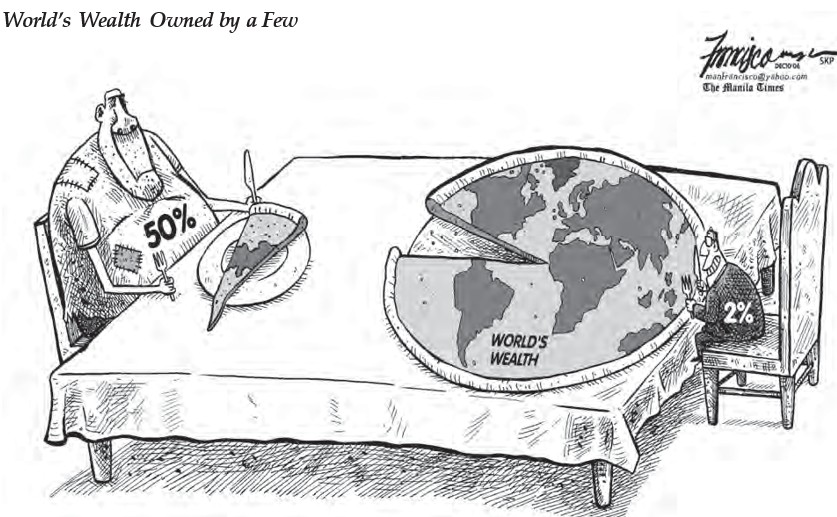
- Large gaps: In South Africa and Brazil, the top fifth receives over 60% of national income, while the bottom fifth receives under 3%.
- Less unequal examples: Denmark and Hungary show smaller gaps between the income shares of the top and bottom fifths.
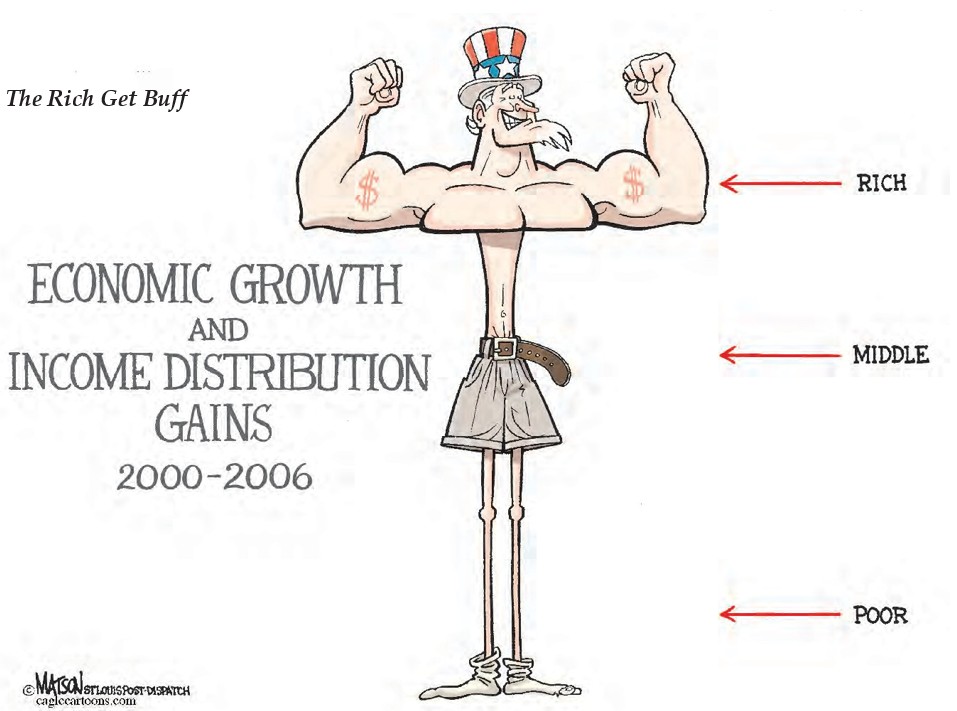
- Verdict: Democracies can have serious income inequality; political equality does not automatically create economic equality.
Reduction of Inequality and Poverty
- Economic growth
- Increase in a country’s economic output, measured here by growth rates.
- Economic inequality
- Unequal distribution of income or wealth among people.
- Political equality
- Equal weight for individuals in choosing representatives.
- Poverty
- A condition in which people lack sufficient resources to meet basic needs.
Does democracy guarantee economic development?
What do the income-share figures for South Africa and Brazil show?
Quick recap
- From 1950 to 2000, dictatorships had slightly higher average growth, but poor-country growth rates were nearly the same.
- Economic development depends on population, global conditions, international cooperation and national priorities.
- Economic growth does not ensure that its gains are fairly shared.
- Democracy guarantees political equality in voting, not economic equality.
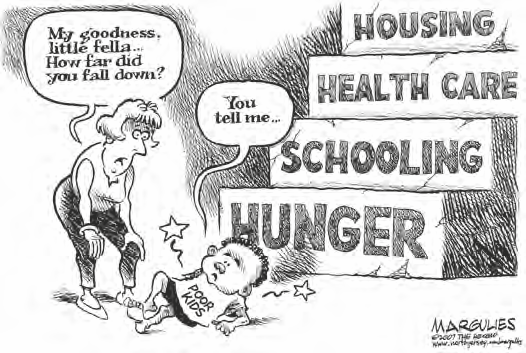
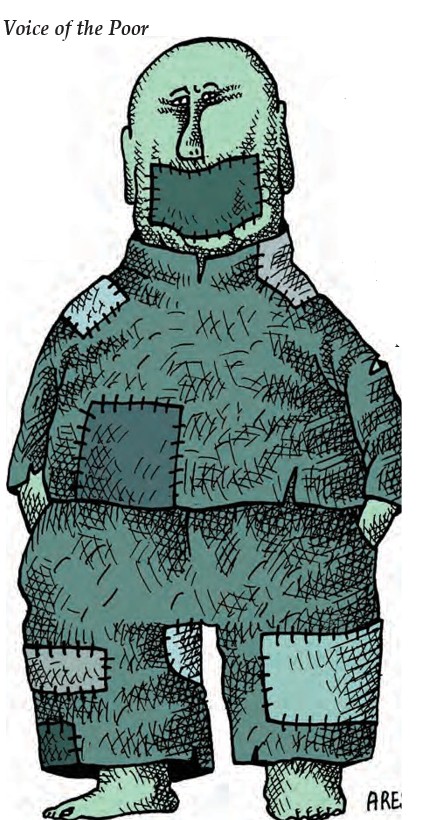
- Many democracies have struggled to reduce poverty and income inequality.
- Poor populations may have limited influence on policy despite being a large share of voters.
Accommodation of Social Diversity
Democracy and Social Harmony
Accommodation of social diversity — The ability of a democracy to manage social differences, divisions and conflicts peacefully.
- Democratic strength: Handling social differences peacefully is an important advantage of democracy; suppressing or ignoring them can undermine harmony.
- Majority and minority: Democracy is not simply rule by the majority’s opinion. The majority must work with the minority so that government represents the general view.
- Changing groups: Majority and minority opinions are not fixed; people and groups can form different majorities on different decisions or elections.
- No permanent exclusion: Majority rule must not become rule by a religious, racial or linguistic community. Every citizen must have the chance to be part of a majority at some point.
- Democratic condition: If people are permanently barred from majority status because of their birth, democracy is no longer accommodative for them. Sri Lanka illustrates why these conditions matter.
- Social diversity
- The presence of different social groups and identities in society.
- Majority rule
- Decision-making by a majority, while respecting the participation and rights of all groups.
- Majority community
- A community defined by an identity such as religion, race or language; its permanent dominance is not democratic.
- Accommodation
- Managing social differences so groups can live and participate together.
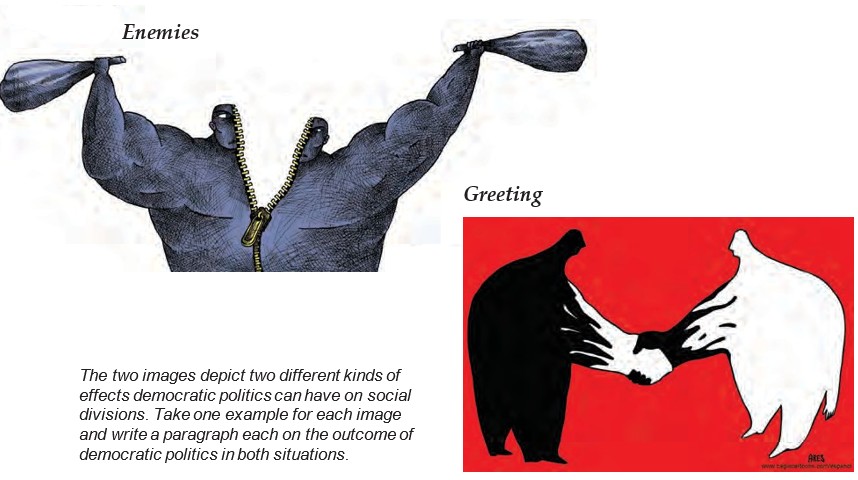
What conditions help democracy accommodate social diversity?
Quick recap
- Democracy can help people live harmoniously by handling social differences and conflicts.
- Majority rule is not merely the majority imposing its opinion; it requires working with the minority.
- Majorities and minorities can change from one decision or election to another.
- No group should be permanently excluded from majority status because of identity or birth.
- Democratic politics may lead to hostility or reconciliation across social divisions.
Dignity and Freedom of the Citizens
Democracy, Dignity and Freedom
Dignity and freedom in democracy — Democracy recognises each individual’s right to respect, freedom and equal treatment, and is especially effective at promoting these values.
Why dignity matters
- Respect: People want to be treated with respect; feeling disrespected can lead to conflict.
- Democratic basis: The desire for respect and freedom is fundamental to democracy.
- Unequal societies: In societies long shaped by subordination and domination, accepting the equality of all people takes time.
- Uneven progress: Democracies recognise dignity and freedom in principle, but realise them to different degrees.
Women’s Dignity and Caste Equality
| Issue | Key points |
|---|---|
| Women’s dignity | Historically male-dominated societies have been challenged by long struggles for women’s respect and equal treatment. Recognition of this principle makes it easier to oppose discrimination that is legally and morally unacceptable. |
| Caste equality in India | Democracy has strengthened disadvantaged and discriminated castes’ claims to equal status and opportunity. Caste inequalities and atrocities continue, but lack moral and legal legitimacy. |
| Point | Democratic setting | Non-democratic setting |
|---|---|---|
| Individual dignity | Freedom and dignity have legal and moral recognition, supporting struggles against injustice. | These principles do not have the same legal and moral force. |
| Inequality | Discrimination can be challenged as unacceptable and unjust. | Those facing discrimination have a weaker recognised basis for demanding equal treatment. |
Why recognition matters
- Principle to action: Recognising dignity and equality gives people a stronger basis to demand fair treatment.
- Rights awareness: Recognition of these principles helps ordinary citizens value their democratic rights.
Expectations and the Continuing Test of Democracy
Democracy is continually judged
- Standard of judgement: People’s expectations are used to assess how well a democracy is functioning.
- Ongoing process: Democracy’s examination never ends; passing one test leads people to set new expectations.
- Rising demands: As people gain benefits, they often demand more and seek to improve democracy.
How Dissatisfaction Can Show Democracy’s Success
- People gain benefits from democracy.
- They develop awareness and higher expectations.
- They complain and scrutinise those in power.
- Public dissatisfaction shows that people can question power holders and demand improvement.
- People are transformed from subjects into citizens.
Citizens’ belief in voting
- Vote: Most individuals today believe their vote can influence how the government is run and serve their own interests.
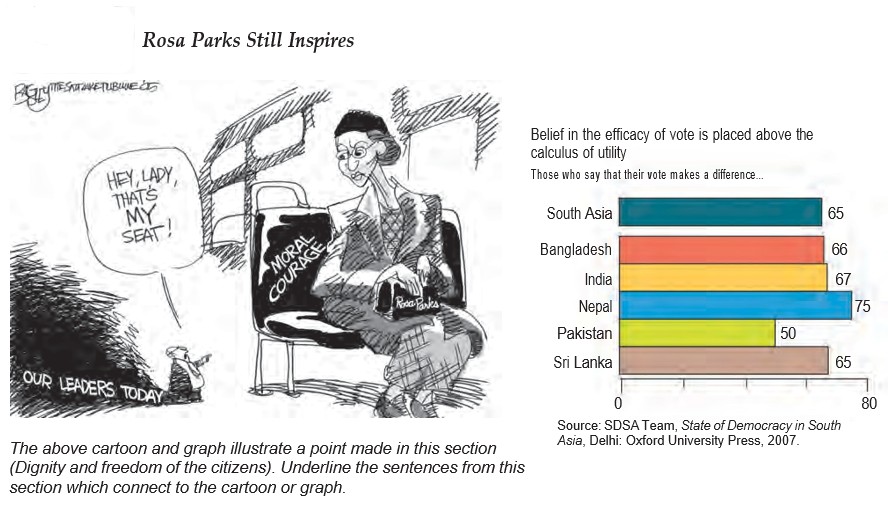
How does democracy strengthen the dignity of women and disadvantaged castes?
Why can complaints about democracy be a sign of its success?
Quick recap
- Democracy recognises individual dignity, respect and freedom, although progress differs across societies.
- Recognition of equality gives women and disadvantaged castes a basis to challenge discrimination.
- Democratic rights and principles strengthen citizens’ ability to demand equal treatment and opportunity.
- People’s expectations provide a standard for judging democracy, and these expectations grow as people gain benefits.
- Complaints and public scrutiny can demonstrate citizens’ awareness and their ability to question power.
- Many people believe their vote can affect government and their own interests.
Social Science — ALL CHAPTERS
1
RESOURCES AND DEVELOPMENT
2
FOREST AND WILDLIFE RESOURCES
3
WATER RESOURCES
4
AGRICULTURE
5
MINERALS AND ENERGY RESOURCES
6
MANUFACTURING INDUSTRIES
7
LIFELINES OF NATIONAL ECONOMY
1
POWER SHARING
2
FEDERALISM
3
GENDER, RELIGION AND CASTE
4
POLITICAL PARTIES
5
OUTCOMES OF DEMOCRACY
1
THE RISE OF NATIONALISM IN EUROPE
2
NATIONALISM IN INDIA
3
THE MAKING OF A GLOBAL WORLD
4
THE AGE OF INDUSTRIALISATION
5
PRINT CULTURE AND THE MODERN WORLD
1
DEVELOPMENT
2
SECTORS OF THE INDIAN ECONOMY
3
MONEY AND CREDIT
4
GLOBALISATION AND THE INDIAN ECONOMY
5
CONSUMER RIGHTS